
DbcultAccessing Vault...
Director's Spotlight
Senior Film Conservator
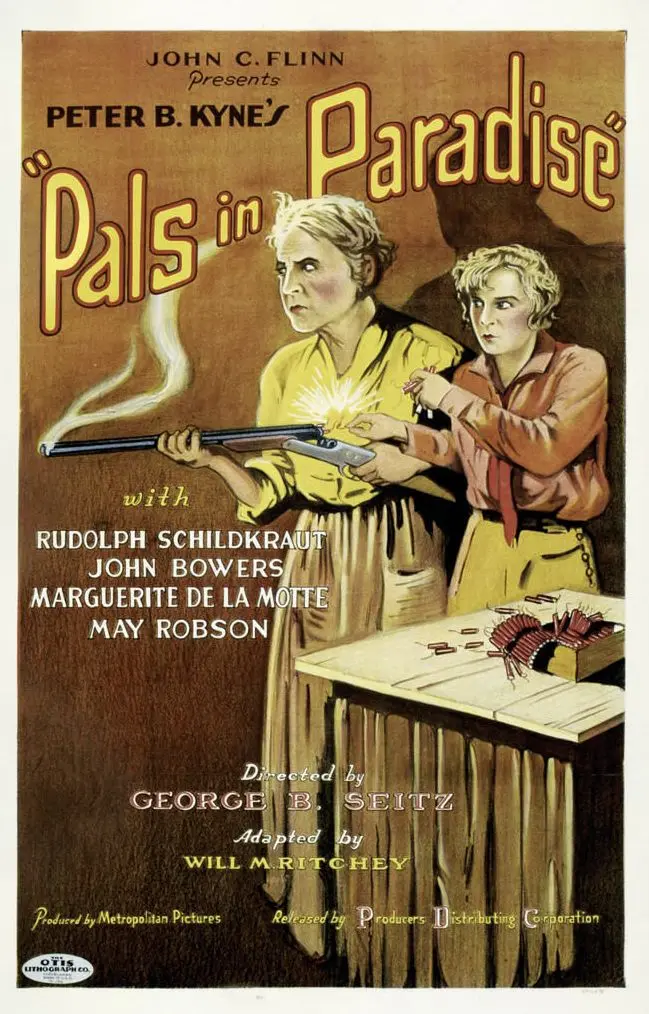
Director's Spotlight: United States
A Deep Dive into the 1926 Vision of George B. Seitz
In the grand tapestry of Drama cinema, Pals in Paradise serves as a bridge between the philosophical inquiries that George B. Seitz embeds within the narrative. Melding the raw energy of United States with a global Drama appeal, it invites us to question our own perceptions of Drama narratives.
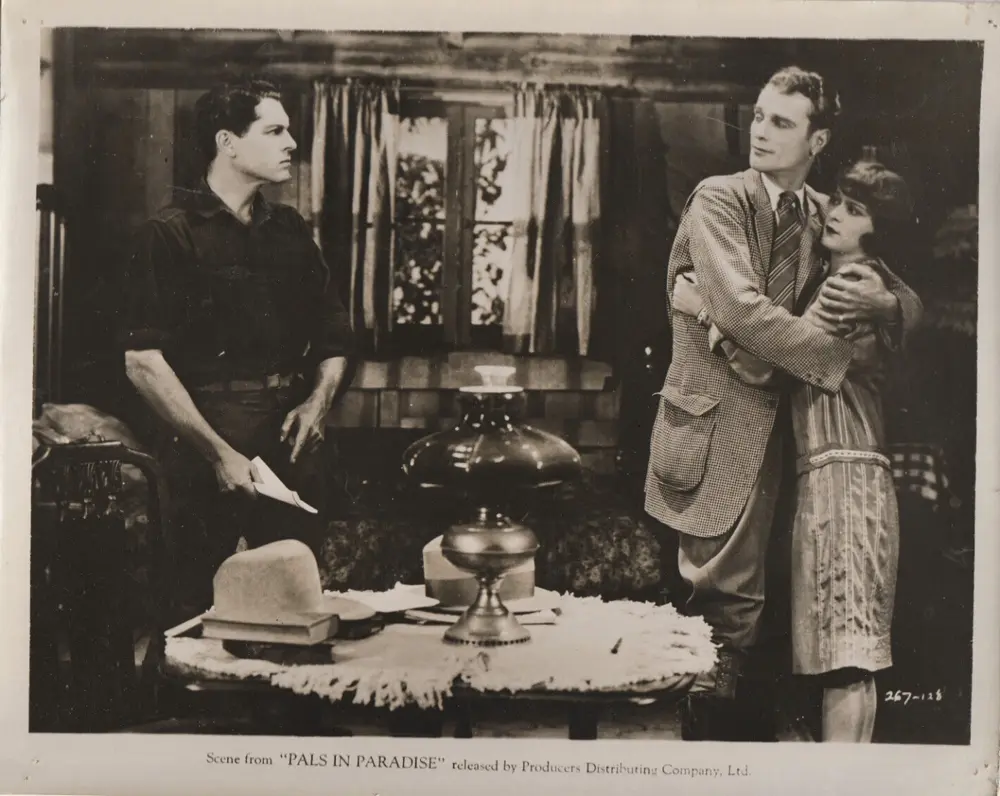
In Pals in Paradise, George B. Seitz pushes the boundaries of conventional narrative. The film's unique approach to its subject matter has sparked endless debates and interpretations among cinephiles and critics alike.
| Cinematography | Noir-Inspired |
| Soundtrack | Synth-Heavy |
| Editing | Disjunctive |
| Art Direction | Baroque |
Visualizing the convergence of George B. Seitz's style and the core Drama narrative.
Bill Harvey discovers a lost mine, rich with gold. Geraldine "Jerry" Howard has the claim to it left her by her father. Bill tells her that the death of the claimant, her father, makes a claim void. Infuriated, she goes to John Kenton, a crooked lawyer, for aid. Kenton sees an opportunity for wealth if he marries Geraldine, but Bill tells her that Kenton is only after her money. She gets more infuriated. While Bill and a posse are raiding an immoral cabaret, Kenton raids the Paradise freight depot to steal the money. The depot catches fire and Kenton shoots his henchman to save himself. The town and Geraldine think Kenton is a hero. It is up to Bill to prove otherwise.
Decades after its release, Pals in Paradise remains a vital piece of the cinematic puzzle. Its influence can be seen in countless modern works, solidifying George B. Seitz's status as a master of the craft in United States and beyond.