
DbcultAccessing Vault...
Director's Spotlight
Senior Film Conservator
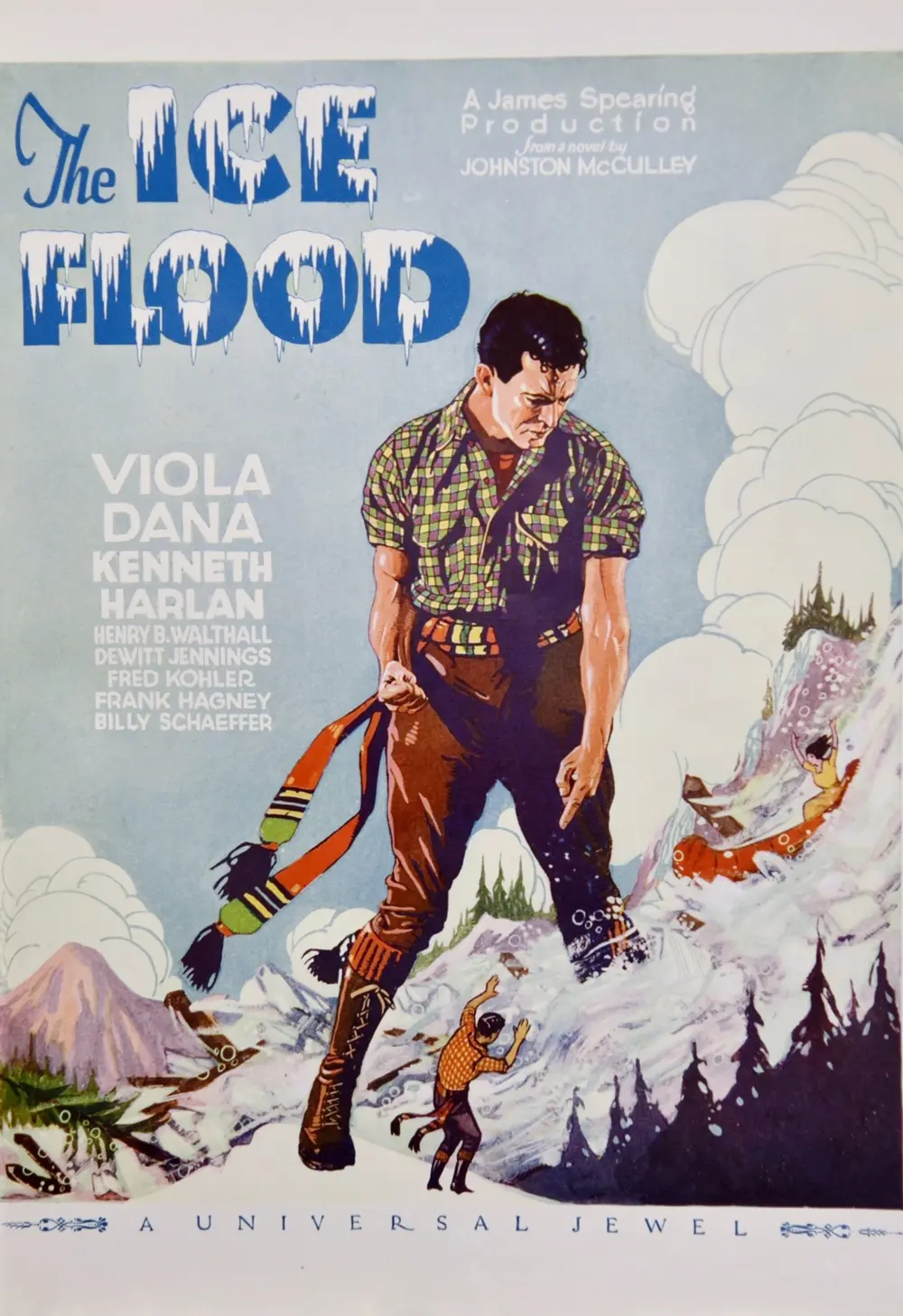
Director's Spotlight: United States
A Deep Dive into the 1926 Vision of George B. Seitz
The 1926 release of The Ice Flood marked a significant moment for the enduring legacy of George B. Seitz's artistic contribution to the genre. By challenging the status quo of 1926 cinema, it has cemented its place in the global cult cinema archive.
In The Ice Flood, George B. Seitz pushes the boundaries of conventional narrative. The film's unique approach to its subject matter has sparked endless debates and interpretations among cinephiles and critics alike.
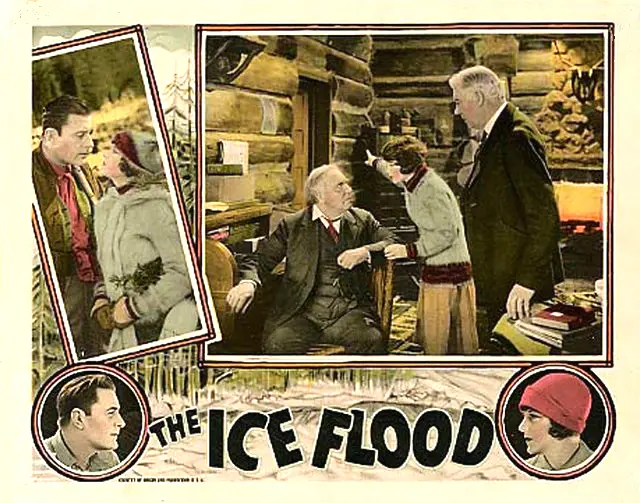
While deeply rooted in United States, The Ice Flood has achieved a global reach, influencing directors from various backgrounds. Its ability to translate Romance tropes into a universal cinematic language is why it remains a cult staple decades after its 1926 release.
| Cinematography | Noir-Inspired |
| Soundtrack | Minimalist |
| Editing | Slow-Burn |
| Art Direction | Brutalist |
Visualizing the convergence of George B. Seitz's style and the core Romance narrative.
Jack De Quincy, an American graduate of Oxford, is still considered a wastrel playboy by his father, owner of a giant lumber company in the American northwest. To prove he is a man his father sends him there to take charge of a large lumber camp, filled with brawny he-men who spend their time drinking, gambling and brawling when not cutting timber. Once there, Jack establishes himself by winning a fight against "Dum-Dum" Pete, the toughest man in those parts. Along the way he sees to it that a needed operation is performed on the camp's mascot, a crippled young boy, and saves his sweetheart, Marie O'Nei, that daughter of a rival lumber company, from drowning in the river when the spring thaw causes an ice-break flood.
Decades after its release, The Ice Flood remains a vital piece of the cinematic puzzle. Its influence can be seen in countless modern works, solidifying George B. Seitz's status as a master of the craft in United States and beyond.