
DbcultAccessing Vault...
Director's Spotlight
Senior Film Conservator
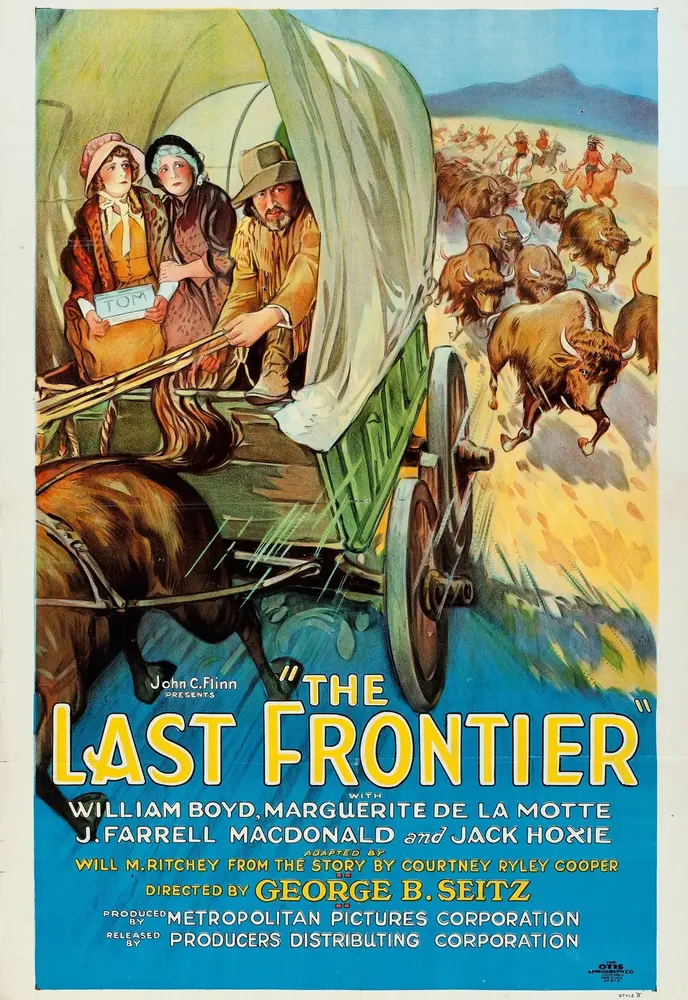
Director's Spotlight: United States
A Deep Dive into the 1926 Vision of George B. Seitz
Analyzing The Last Frontier (1926) requires a deep dive into the unique directorial voice that George B. Seitz brought to the screen. By challenging the status quo of 1926 cinema, it continues to spark endless debates among critics and cinephiles alike.
In The Last Frontier, George B. Seitz pushes the boundaries of conventional narrative. The film's unique approach to its subject matter has sparked endless debates and interpretations among cinephiles and critics alike.
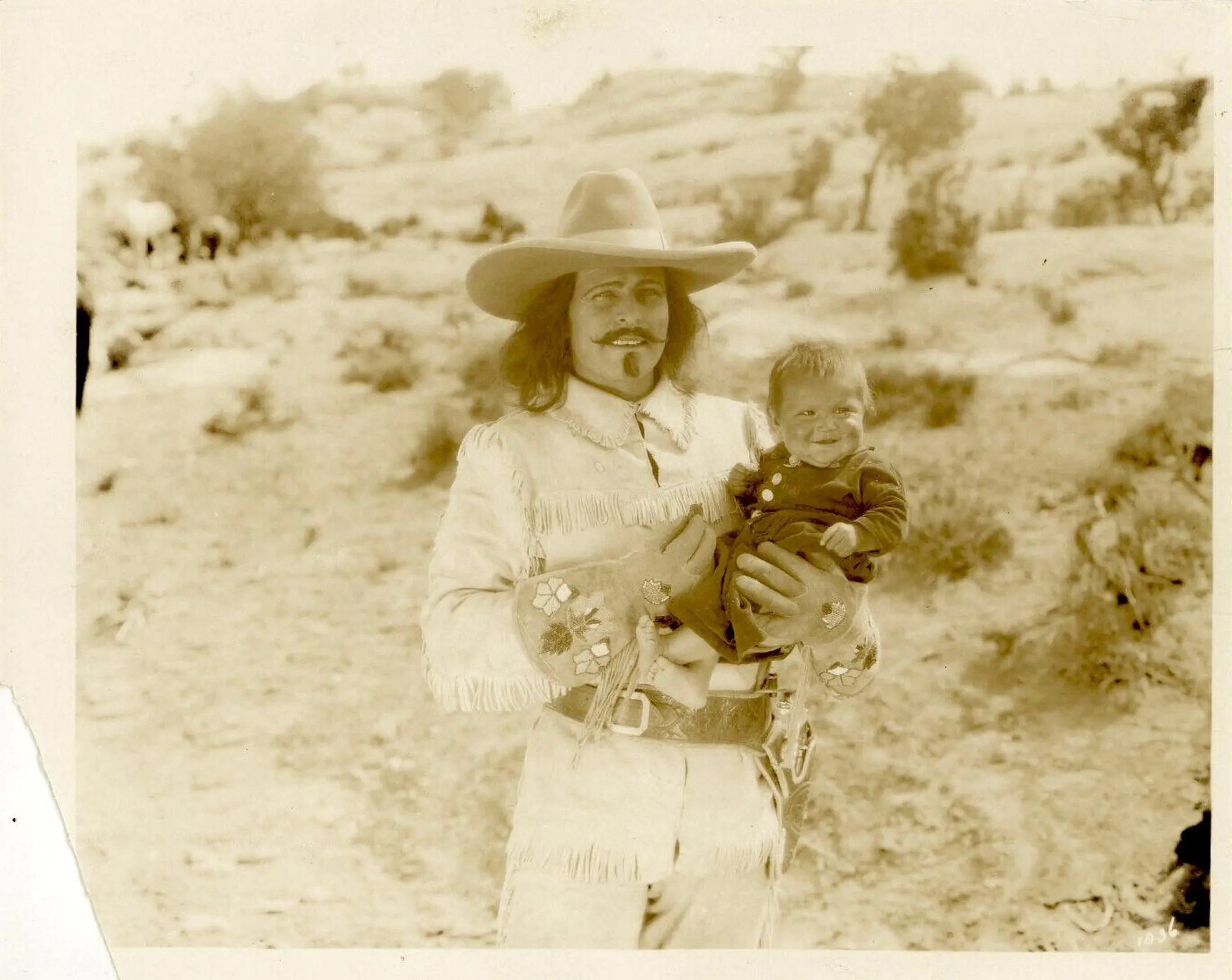
The visual language of The Last Frontier is defined by its use of shadows and framing, a hallmark of George B. Seitz's style. By utilizing a 1926-era palette, the film creates an immersive experience that perfectly complements its Drama themes.
| Cinematography | Noir-Inspired |
| Soundtrack | Synth-Heavy |
| Editing | Disjunctive |
| Art Direction | Baroque |
Visualizing the convergence of George B. Seitz's style and the core Drama narrative.
Impoverished by the Civil War and eager to replenish his fortune in the West, Colonel Halliday, his wife, and his daughter, Beth, proceed toward Salina, Kansas by wagon train, at the persuasion of Tom Kirby, a government scout and Beth's fiancé. Although Bill Hickok, Tom's friend, and a company of cavalry are in charge, Pawnee Killer, chief of the Sioux, attacks the wagon train, and Halliday and his wife are killed. Bill rides to Salina for help and to deliver the news to Buffalo Bill Cody. Beth, now hostile to Kirby, joins the household of Lige Morris, a trader in Salina, and, at the suggestion of Bill, Kirby joins General Custer's scouting expedition. Lige tells Beth that Kirby is suspected of being in league with Pawnee Killer, but she learns from the post adjutant's daughter that he loves her. Beth seeks out Kirby just as the Sioux stampede a herd of buffalo through the town, and together they find refuge. Custer gives battle to the Indians, Pawnee Killer slays Lige, and the lovers are reconcile.
Decades after its release, The Last Frontier remains a vital piece of the cinematic puzzle. Its influence can be seen in countless modern works, solidifying George B. Seitz's status as a master of the craft in United States and beyond.