
DbcultAccessing Vault...
Director's Spotlight
Senior Film Conservator
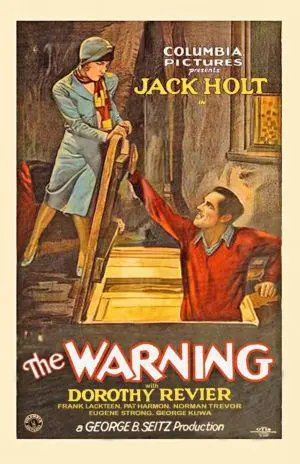
Director's Spotlight: United States
A Deep Dive into the 1927 Vision of George B. Seitz
Exploring the Drama underpinnings of The Warning leads us to the uncompromising vision of George B. Seitz that defines this Drama masterpiece. Melding the raw energy of United States with a global Drama appeal, it echoes the profound changes occurring in United States during that era.
In The Warning, George B. Seitz pushes the boundaries of conventional narrative. The film's unique approach to its subject matter has sparked endless debates and interpretations among cinephiles and critics alike.
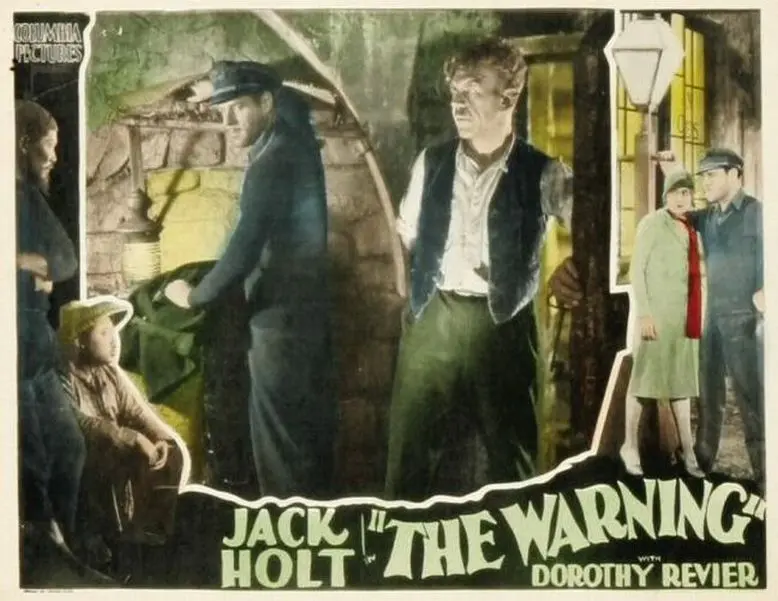
To fully appreciate The Warning, one must consider the cinematic climate of 1927. During this period, United States was undergoing significant artistic shifts, and George B. Seitz was at the forefront of this Drama movement, often challenging established norms.
| Cinematography | Noir-Inspired |
| Soundtrack | Synth-Heavy |
| Editing | Disjunctive |
| Art Direction | Baroque |
Visualizing the convergence of George B. Seitz's style and the core Drama narrative.
This story of the British Silent Service operating on the coast of China finds Tom Fellows, captain of an opium-smuggling ship, going into a notorious Chinese joint called "The House of a Thousand Delights," where he finds a beautiful girl, Mary Blake, bound and captive. He starts a brawl, rescues Mary in the mêlée that follows, and then loses her when she flees to a hotel. He follows her and finds she is mixed up in some mysterious activity. However, he knows more about her than she does him (because he isn't what he is supposed to be - and she isn't, either), he stays close by, even to the point of using a machine-gun to dispel a mob at a Chinese temple.
Decades after its release, The Warning remains a vital piece of the cinematic puzzle. Its influence can be seen in countless modern works, solidifying George B. Seitz's status as a master of the craft in United States and beyond.