
DbcultAccessing Vault...
Director's Spotlight
Senior Film Conservator
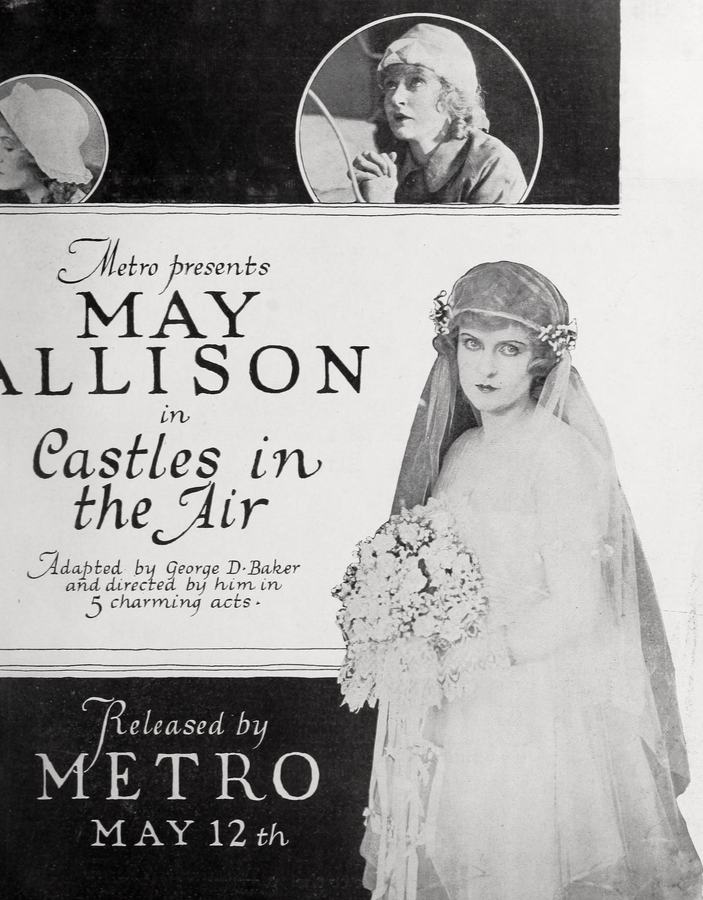
Director's Spotlight: United States
A Deep Dive into the 1919 Vision of George D. Baker
Exploring the cult underpinnings of Castles in the Air leads us to the stylistic boundaries pushed by George D. Baker during the production. Through a lens of existential fatalism and cult tropes, it continues to spark endless debates among critics and cinephiles alike.
In Castles in the Air, George D. Baker pushes the boundaries of conventional narrative. The film's unique approach to its subject matter has sparked endless debates and interpretations among cinephiles and critics alike.
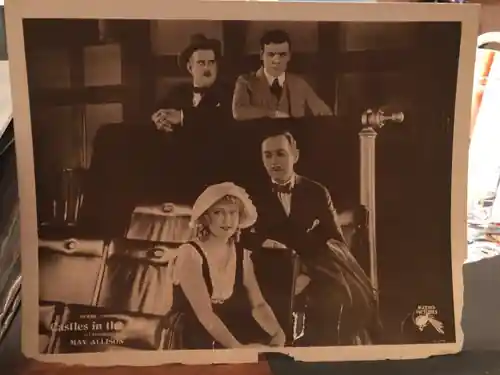
To fully appreciate Castles in the Air, one must consider the cinematic climate of 1919. During this period, United States was undergoing significant artistic shifts, and George D. Baker was at the forefront of this cult movement, often challenging established norms.
| Cinematography | High-Contrast |
| Soundtrack | Synth-Heavy |
| Editing | Rhythmic |
| Art Direction | Naturalist |
Visualizing the convergence of George D. Baker's style and the core cult narrative.
When Fortuna Donnelly gets a position as an usher at the Halcyon Theater, manager Eddie Lintner becomes romantically interested in her and is jealous that she prefers wealthy Englishman Owen Pauncefort. Fortuna dines with Pauncefort at his home, where he makes sexual advances toward her. He apologizes and confides that he is trying to locate his wife, who has separated from him following a quarrel. By chance, Mrs. Pauncefort attends the theater and Fortuna recognizes her from the photograph. Fortuna phones Pauncefort and arranges a seat for him next to his wife. The squabbling couple are reunited, and Fortuna finds happiness with Eddie.
Decades after its release, Castles in the Air remains a vital piece of the cinematic puzzle. Its influence can be seen in countless modern works, solidifying George D. Baker's status as a master of the craft in United States and beyond.