
DbcultAccessing Vault...
Director's Spotlight
Senior Film Conservator
Director's Spotlight: United States
A Deep Dive into the 1922 Vision of George D. Baker
Deciphering the layers of Little Eva Ascends (1922) reveals the complex thematic architecture established by George D. Baker. Utilizing a 1922-specific aesthetic that remains timeless, it stands as the definitive 1922 statement on Comedy identity.
In Little Eva Ascends, George D. Baker pushes the boundaries of conventional narrative. The film's unique approach to its subject matter has sparked endless debates and interpretations among cinephiles and critics alike.
To fully appreciate Little Eva Ascends, one must consider the cinematic climate of 1922. During this period, United States was undergoing significant artistic shifts, and George D. Baker was at the forefront of this Comedy movement, often challenging established norms.
| Cinematography | Deep Focus |
| Soundtrack | Experimental |
| Editing | Invisible |
| Art Direction | Kitsch |
Visualizing the convergence of George D. Baker's style and the core Comedy narrative.
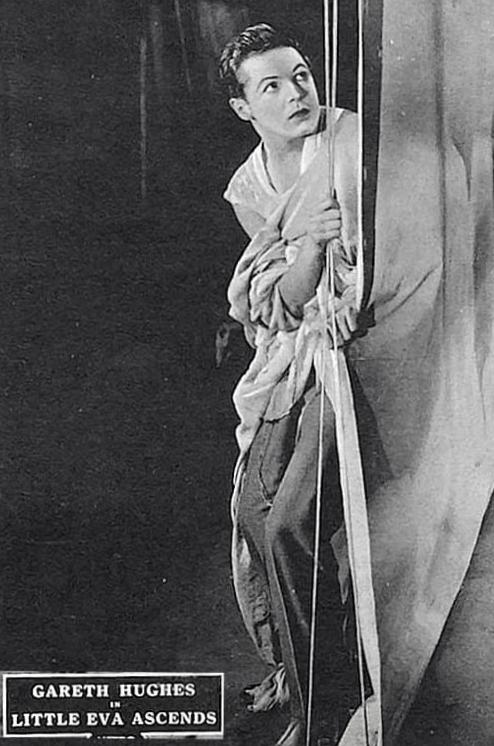
John St. George, who plays "Uncle Tom" in blackface, and younger brother Roy, who plays "Little Eva" in a wig and dress, are the sons of Blanche St. George, owner and leading lady of a repertory company that presents Uncle Tom's Cabin in small towns. Both boys dislike stage life, but sixteen-year-old Roy is particularly sensitive about playing a girl because their train is heading for the Connecticut town where his sweetheart lives, and she plans to see the play with her parents. When the troupe registers at the only hotel in town, John notices his mother's agitation at meeting the proprietor, Mr. Wilson, and the fact that they are served "commercial travelers' meat" at the dinner table rather than the thinner, less appetizing "actors' meat." The reason, he learns, is that Wilson is his and Roy's father, whom Blanche left many years ago to pursue her stage career. John confesses his longing for a real life, but is obligated to stay with his mother until she can earn the money to buy an opera house. At the performance, all goes well until Roy's ascent to heaven on a stepladder, which is jeered by boys in the gallery who realize he is a boy, not a girl. Removing his wig, Roy stumbles and knocks over the ladder, which pulls down the backdrop and brings the play to a crashing halt. Wilson, in attendance, invites everyone to dinner at his estate, and offers Blanche $10,000 to buy the opera house she wants, in exchange for letting him keep the boys. The St. Georges, joined by Roy's sweetheart and her family, sit down for dinner, and all is well.
Decades after its release, Little Eva Ascends remains a vital piece of the cinematic puzzle. Its influence can be seen in countless modern works, solidifying George D. Baker's status as a master of the craft in United States and beyond.