Summary
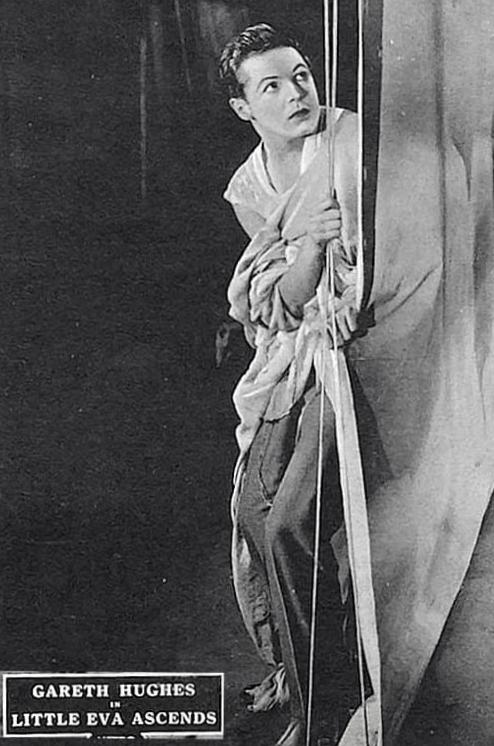
A poignant yet chaotic deconstruction of the itinerant theatrical life, Little Eva Ascends chronicles the tribulations of the St. George family, a troupe of 'Tom-show' performers navigating the twilight of a dying dramatic tradition. The narrative centers on Roy, a sensitive sixteen-year-old forced into the diaphanous, blonde-wigged artifice of Little Eva, while his brother John endures the indignity of blackface as Uncle Tom. Their mother, the formidable Blanche, maintains a veneer of matriarchal discipline, driven by the singular ambition of purchasing an opera house. The artifice of their stage existence collides with reality in a sleepy Connecticut town, where Roy’s burgeoning romance with a local girl threatens to expose his cross-dressed stage persona. The film pivots on a gastronomic revelation at a local inn, where the distinction between 'actors’ meat' and 'commercial travelers’ meat' serves as a biting metaphor for social stratification. The inevitable collapse occurs during the play’s climactic spiritual transcendence; a mechanical failure during the 'ascent to heaven' transforms a moment of staged piety into a shambolic riot of falling backdrops and exposed wigs. This theatrical ruin, however, facilitates a domestic reconstruction as the long-lost patriarch—now a wealthy hotelier—intervenes, offering a financial exodus from the stage in exchange for the restoration of his paternal rights.
Synopsis
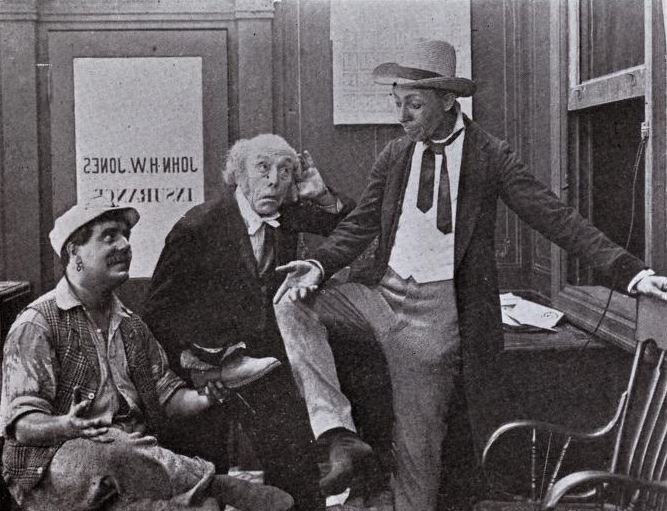
John St. George, who plays "Uncle Tom" in blackface, and younger brother Roy, who plays "Little Eva" in a wig and dress, are the sons of Blanche St. George, owner and leading lady of a repertory company that presents Uncle Tom's Cabin in small towns. Both boys dislike stage life, but sixteen-year-old Roy is particularly sensitive about playing a girl because their train is heading for the Connecticut town where his sweetheart lives, and she plans to see the play with her parents. When the troupe registers at the only hotel in town, John notices his mother's agitation at meeting the proprietor, Mr. Wilson, and the fact that they are served "commercial travelers' meat" at the dinner table rather than the thinner, less appetizing "actors' meat." The reason, he learns, is that Wilson is his and Roy's father, whom Blanche left many years ago to pursue her stage career. John confesses his longing for a real life, but is obligated to stay with his mother until she can earn the money to buy an opera house. At the performance, all goes well until Roy's ascent to heaven on a stepladder, which is jeered by boys in the gallery who realize he is a boy, not a girl. Removing his wig, Roy stumbles and knocks over the ladder, which pulls down the backdrop and brings the play to a crashing halt. Wilson, in attendance, invites everyone to dinner at his estate, and offers Blanche $10,000 to buy the opera house she wants, in exchange for letting him keep the boys. The St. Georges, joined by Roy's sweetheart and her family, sit down for dinner, and all is well.
Review Excerpt
"The silent era was often defined by its obsession with the 'Tom Show'—those ubiquitous, often garish adaptations of Harriet Beecher Stowe’s seminal novel that crisscrossed America for decades. Yet, Little Eva Ascends (1922) stands as a remarkably self-aware artifact, a meta-textual commentary on the exhaustion of that very tradition. Rather than presenting a straightforward adaptation, the film peels back the greasepaint to reveal the weary, disenfranchised lives of the performers behind the cur..."