
DbcultAccessing Vault...
Director's Spotlight
Senior Film Conservator
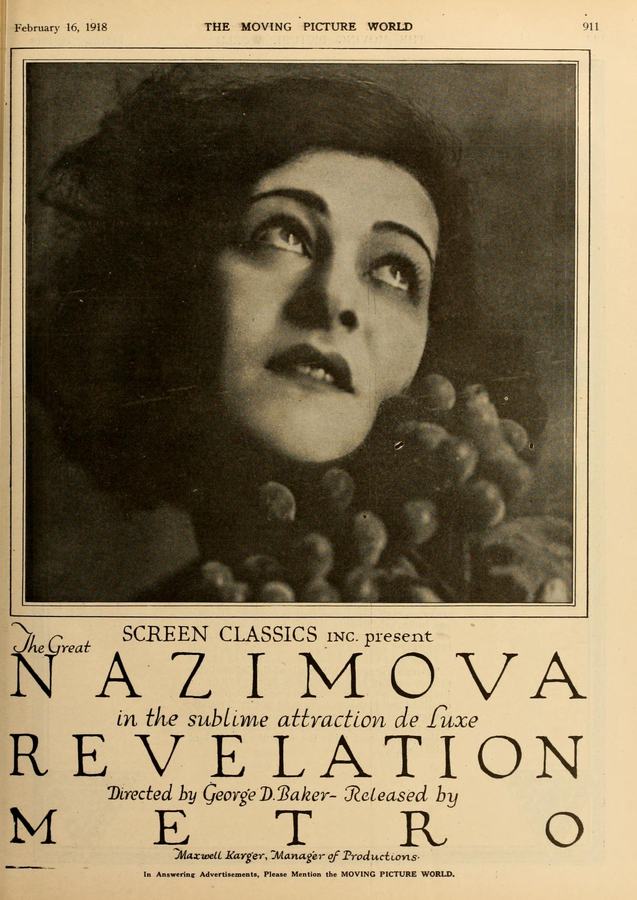
Director's Spotlight: United States
A Deep Dive into the 1918 Vision of George D. Baker
Few works in United States cinema carry the same weight as Revelation, especially regarding the technical innovation that George D. Baker introduced to the cult format. Subverting the expectations of the typical 1918 audience, it bridges the gap between traditional cult and contemporary vision.
In Revelation, George D. Baker pushes the boundaries of conventional narrative. The film's unique approach to its subject matter has sparked endless debates and interpretations among cinephiles and critics alike.
While deeply rooted in United States, Revelation has achieved a global reach, influencing directors from various backgrounds. Its ability to translate cult tropes into a universal cinematic language is why it remains a cult staple decades after its 1918 release.
| Cinematography | Handheld |
| Soundtrack | Experimental |
| Editing | Elliptical |
| Art Direction | Expressionist |
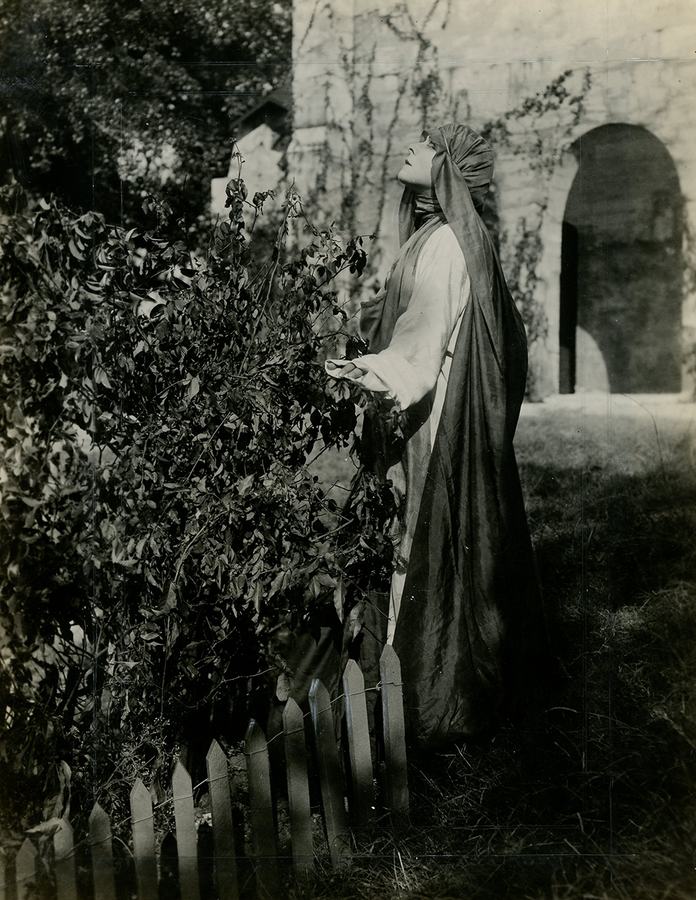
Visualizing the convergence of George D. Baker's style and the core cult narrative.
Joline, a "Daughter of Joy," becomes enamored of Paul Granville, a poor artist, and as his model enables him to win fame in a series of startling canvases. A wealthy patron of art commissions Paul to paint "The Madonna of the Rose Bush," and he feels that a new model is needed, but the jealous Joline drives them away, and they start for the monastery, where the miracle of the rose bush is supposed to have occurred. There a monk declares that in Joline he has seen the Virgin, and some chord in her better nature is touched. She leaves Paul, but is reunited when she, a Red Cross nurse, finds him wounded upon the battlefield.
Decades after its release, Revelation remains a vital piece of the cinematic puzzle. Its influence can be seen in countless modern works, solidifying George D. Baker's status as a master of the craft in United States and beyond.