
DbcultAccessing Vault...
Director's Spotlight
Senior Film Conservator
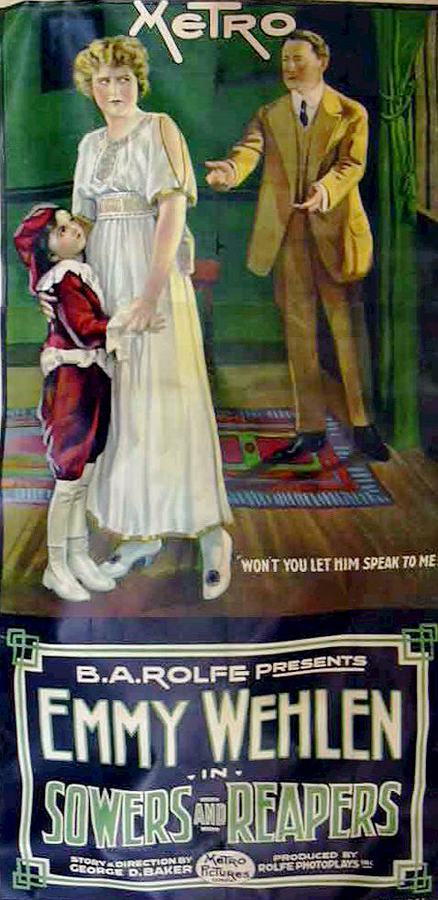
Director's Spotlight: United States
A Deep Dive into the 1917 Vision of George D. Baker
The cult DNA of Sowers and Reapers is a reflection of United States's the subversive storytelling techniques employed by George D. Baker in 1917. Breaking the traditional rules of cult engagement, it leaves an indelible mark on the soul of the viewer.
In Sowers and Reapers, George D. Baker pushes the boundaries of conventional narrative. The film's unique approach to its subject matter has sparked endless debates and interpretations among cinephiles and critics alike.
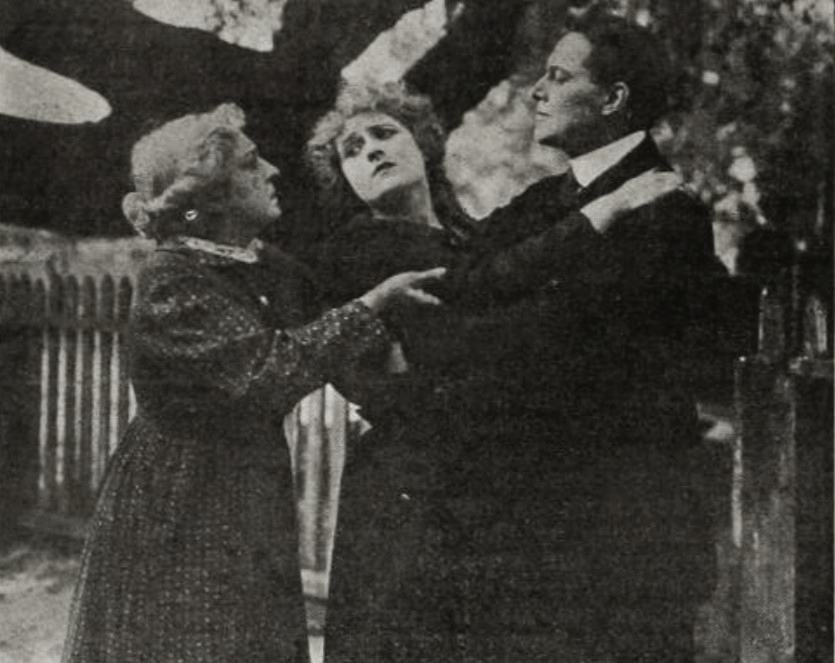
In this work, George D. Baker explores the intersection of cult and United States cultural identity. The meticulous attention to detail suggests a deep-seated commitment to pushing the boundaries of the medium, ensuring that Sowers and Reapers remains a relevant topic of study for cult enthusiasts.
| Cinematography | High-Contrast |
| Soundtrack | Synth-Heavy |
| Editing | Disjunctive |
| Art Direction | Baroque |
Visualizing the convergence of George D. Baker's style and the core cult narrative.
Although Earle Courtney has married factory girl Annie Leigh, his millionaire father, Major James Courtney, is determined that Earle will marry the wealthy Ethel Ainsworth. Courtney kidnaps his son and sends a message to Annie requesting an annulment, to which he signs Earle's name. All records of the marriage are then destroyed and Earle is led to believe that his wife has perished in a factory fire. Meanwhile, Annie goes to the city looking for her husband and there her child is born. While in the hospital, she reads an announcement of the wedding of Earle and Ethel. Obtaining employment in a film studio, Annie soon soars to stardom. When Mexican investments result in financial disaster for the Courtneys, Annie takes over the mortgage on their estate and produces a picture based on the story of her betrayal. When Earle views it, he learns of his father's treachery and the major, overcome with remorse, begs Annie's forgiveness. Nothing can undo Earle's unhappy marriage, though, until Ethel elopes with artist Paul Roubais, thus removing all obstacles in the path of Annie and Earle's reconciliation.
Decades after its release, Sowers and Reapers remains a vital piece of the cinematic puzzle. Its influence can be seen in countless modern works, solidifying George D. Baker's status as a master of the craft in United States and beyond.