
DbcultAccessing Vault...
Director's Spotlight
Senior Film Conservator
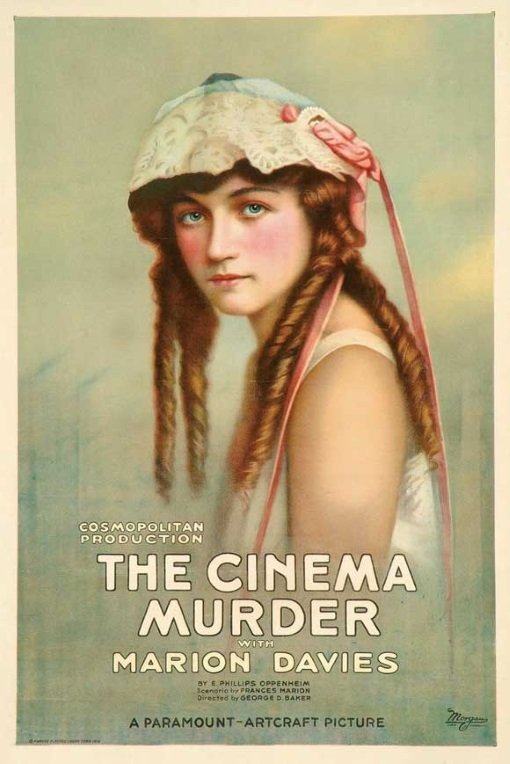
Director's Spotlight: United States
A Deep Dive into the 1919 Vision of George D. Baker
The brilliance of The Cinema Murder (1919) is inseparable from a monumental shift in cult filmmaking spearheaded by George D. Baker. Occupying a unique space between cult and pure art, it serves as a blueprint for future generations of cult directors.
In The Cinema Murder, George D. Baker pushes the boundaries of conventional narrative. The film's unique approach to its subject matter has sparked endless debates and interpretations among cinephiles and critics alike.
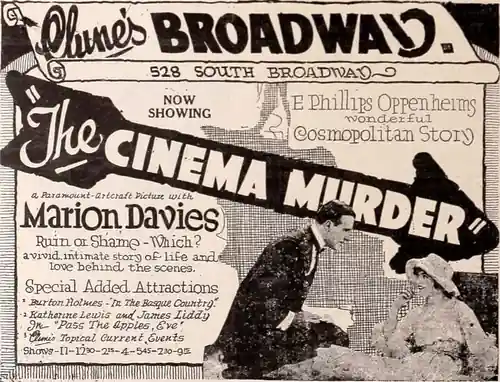
To fully appreciate The Cinema Murder, one must consider the cinematic climate of 1919. During this period, United States was undergoing significant artistic shifts, and George D. Baker was at the forefront of this cult movement, often challenging established norms.
| Cinematography | Handheld |
| Soundtrack | Experimental |
| Editing | Invisible |
| Art Direction | Kitsch |
Visualizing the convergence of George D. Baker's style and the core cult narrative.
Aspiring actress Elizabeth Dalston, after rehearsing a murder scene for a movie, is fired by her director at the request of the company's Wall Street backer, Sylvanus Power. Although married, Power plans to make Elizabeth his mistress and offers the unsuspecting girl a dramatic education in England, to be followed by his building a theater for her. Traveling across England after school, Elizabeth witnesses a fight between two brothers, Philip and Douglas Romilly, which ends in Douglas' supposed death. On the steamer to America, Philip, disguised as Douglas, confides in Elizabeth that he was fighting to persuade Douglas not to leave his pregnant lover. Elizabeth believes him and in New York they fall in love. After she convinces Power to produce Philip's play, both the play and her acting are hits. When Power propositions Elizabeth and discovers her passion for Philip, he summons Scotland Yard detectives, but Douglas reappears and clears Philip. Power then graciously admits his defeat.
Decades after its release, The Cinema Murder remains a vital piece of the cinematic puzzle. Its influence can be seen in countless modern works, solidifying George D. Baker's status as a master of the craft in United States and beyond.