
DbcultAccessing Vault...
Director's Spotlight
Senior Film Conservator
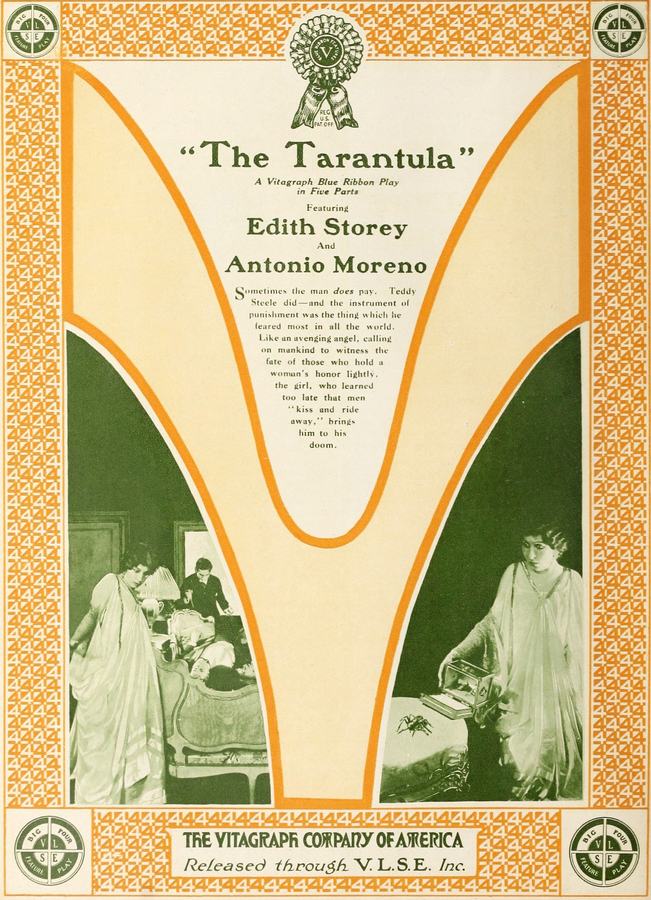
Director's Spotlight: United States
A Deep Dive into the 1916 Vision of George D. Baker
When we examine the cinematic landscape of United States, The Tarantula emerges as a landmark work of the unique directorial voice that George D. Baker brought to the screen. This film stands as a masterclass in visual storytelling, it demands to be seen by anyone who cares about the art of film.
In The Tarantula, George D. Baker pushes the boundaries of conventional narrative. The film's unique approach to its subject matter has sparked endless debates and interpretations among cinephiles and critics alike.
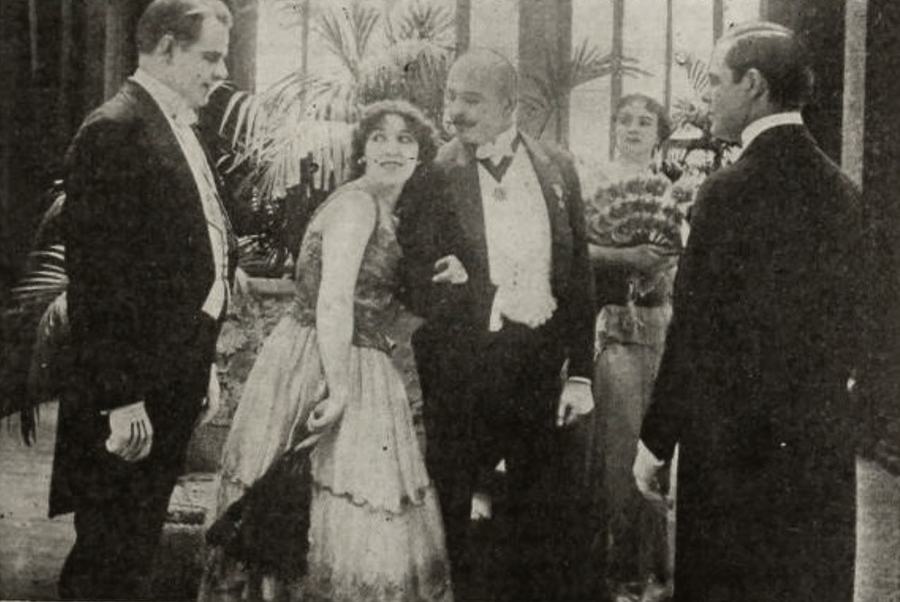
While deeply rooted in United States, The Tarantula has achieved a global reach, influencing directors from various backgrounds. Its ability to translate cult tropes into a universal cinematic language is why it remains a cult staple decades after its 1916 release.
| Cinematography | High-Contrast |
| Soundtrack | Minimalist |
| Editing | Disjunctive |
| Art Direction | Baroque |
Visualizing the convergence of George D. Baker's style and the core cult narrative.
"Beauty Smythe is at his old tricks again. Look at the raving beauty he's got on the string now." This was Manning's contribution to the discussion, which was taking place in one of New York's most exclusive clubs. All seemed to take a jolly view of the matter, except Van Allen, who, the others noticed, looked with disapproval on the flirtation. They could not understand his mood, and prodded him for his prudishness. When Smythe joined them, Van Allen called him over and asked him to listen to the story he was about to tell, the story of one man who paid for his loose habits. First, he drew from his pocket, a picture of a young man, about Smythe's age. "My sister's only boy," he said. "Two years ago he was leading the kind of life you are now, Smythe. He came down to Mexico to visit me and met Chonita, a pretty Mexican girl. He immediately became infatuated with her, to the consternation of Pedro, another of her lovers, who soon saw that Teddy held a higher place in her heart than he. When her father heard of the affair, he sent her away to their summer hacienda, hoping that she would forget Teddy. Then Ted received an invitation from a friend to spend the summer with him, and accepted. Out hunting one day, he met Chonita and both were happy at the reunion. He told her of his love for her, and she believed him. Of course he promised to marry her. One day, while walking through the forest. Ted just missed stepping on a tarantula, and shrinking from the hideous thing, told Chonita that he feared those terrible spiders worse than anything on earth. Sometime later, Ted received a note from her telling him to meet her at the usual place, and from the tone of the note he knew what had happened. She came, and brought a minister with her, but Teddy was married, and had two children, so even if he had wanted to, he could not have married her. Before word got back to the hacienda, Ted had hopped on a horse and started at a mad gallop for the railroad station, to avoid the wrath of her father and Pedro. Back in New York once more, he felt secure. Chonita meanwhile was thrown out of her father's house, and her child was born in an abandoned cabin. It lived but a few hours. Then Chonita got a position as dancer in a cheap music hall and became popular immediately. The proprietor of a New York café, seeing her perform, asked her to come to the city and dance for him. When she remembered that her betrayer was also in the city, she accepted. Hearing of her proposed trip, her father sent her a dagger, so that she might first kill Teddy and then herself, but she returned it, telling him that she would choose her own method of death for both of them. In the city she met Teddy once more. She responded to all his advances and finally induced him to invite her to his apartment. Here she presented him with an elaborate jewel case, which, she said, contained a gift. When his anxious hands opened the case, a giant tarantula crawled out. Need I tell you that he died a terrible death?" In a meditative mood, Beauty Smythe sat in his room and reflected on what he had heard. Then the moral hit home, and the letter he had intended sending to his latest "sweetheart" never went further than the trash basket.
Decades after its release, The Tarantula remains a vital piece of the cinematic puzzle. Its influence can be seen in countless modern works, solidifying George D. Baker's status as a master of the craft in United States and beyond.