
DbcultAccessing Vault...
Director's Spotlight
Senior Film Conservator
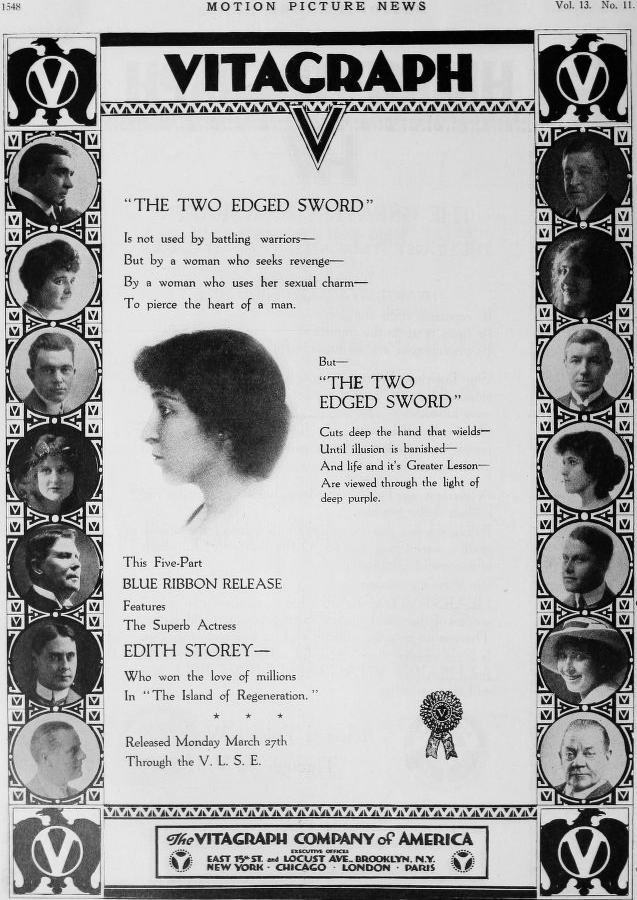
Director's Spotlight: United States
A Deep Dive into the 1916 Vision of George D. Baker
The artistic breakthrough represented by The Two Edged Sword in 1916 highlights the uncompromising vision of George D. Baker that defines this cult masterpiece. In the context of United States's rich cinematic history, it captures a specific kind of cinematic magic that is rarely replicated.
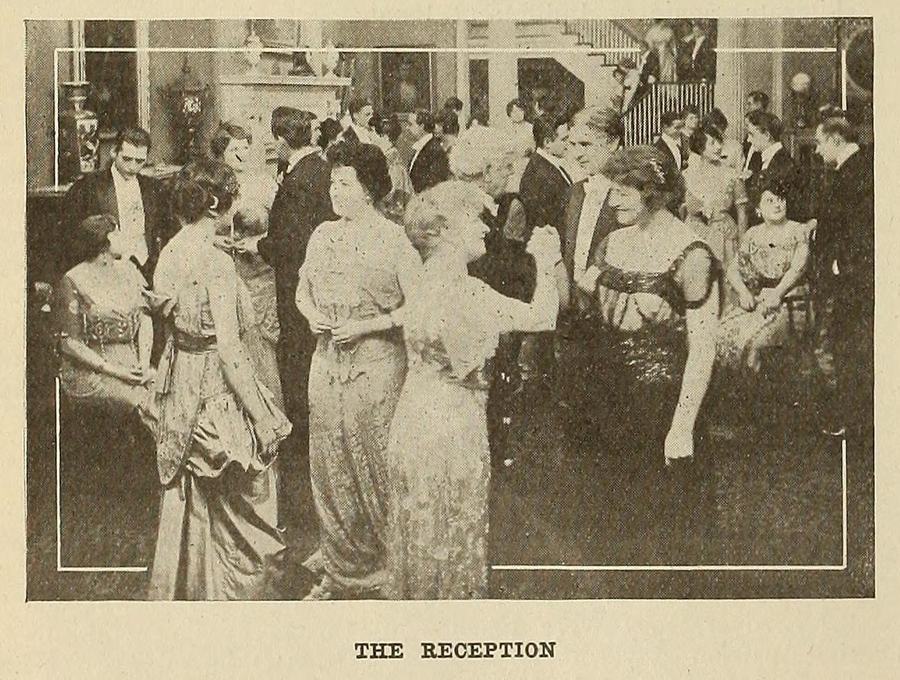
In The Two Edged Sword, George D. Baker pushes the boundaries of conventional narrative. The film's unique approach to its subject matter has sparked endless debates and interpretations among cinephiles and critics alike.
| Cinematography | Deep Focus |
| Soundtrack | Experimental |
| Editing | Invisible |
| Art Direction | Kitsch |
Visualizing the convergence of George D. Baker's style and the core cult narrative.
Gordon Allen works hard to support his wife Dorothy, but she becomes bored with Gordon and her marriage. She takes a trip with her friend Evelyn to a farm for a vacation, and there meets and flirts with handsome but native farmer Jed. She thinks nothing of it, but Jed takes it very seriously, and his sister Mary tries to break up the relationship. When Gordon pays a surprise visit to the farm to see Dorothy and she greets him warmly and kisses him, Jed realizes that he's been played, and after Gordon beats him in a fight, Jed kills himself. Mary, outraged, vows vengeance on Dorothy.
Decades after its release, The Two Edged Sword remains a vital piece of the cinematic puzzle. Its influence can be seen in countless modern works, solidifying George D. Baker's status as a master of the craft in United States and beyond.