
DbcultAccessing Vault...
Director's Spotlight
Senior Film Conservator
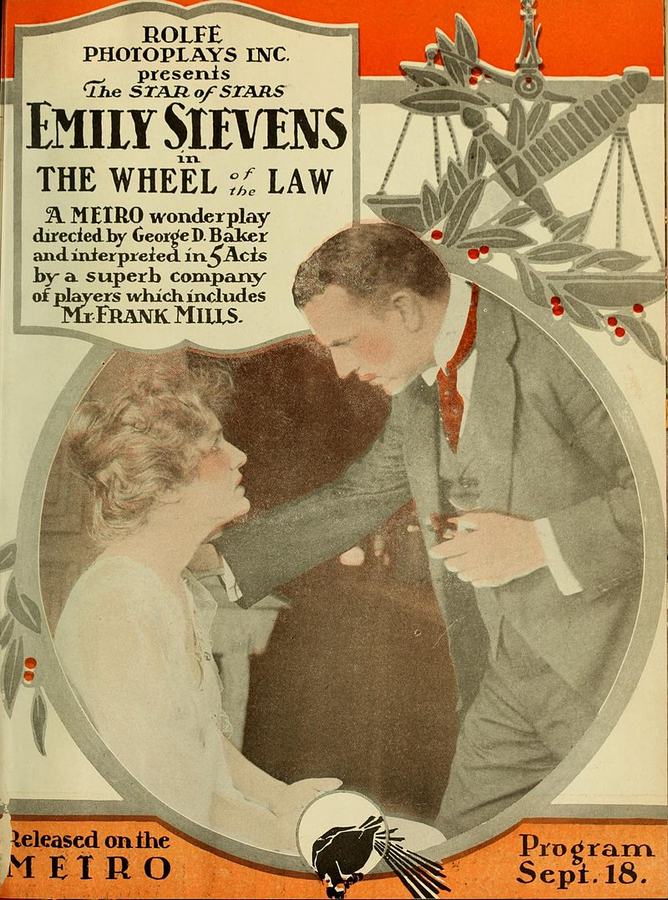
Director's Spotlight: United States
A Deep Dive into the 1916 Vision of George D. Baker
The evocative power of The Wheel of the Law stems from the unique collaboration between the subversive storytelling techniques employed by George D. Baker in 1916. Synthesizing the best elements of United States and international cinema, it reminds us of the fragility and beauty of the 1916s.
In The Wheel of the Law, George D. Baker pushes the boundaries of conventional narrative. The film's unique approach to its subject matter has sparked endless debates and interpretations among cinephiles and critics alike.
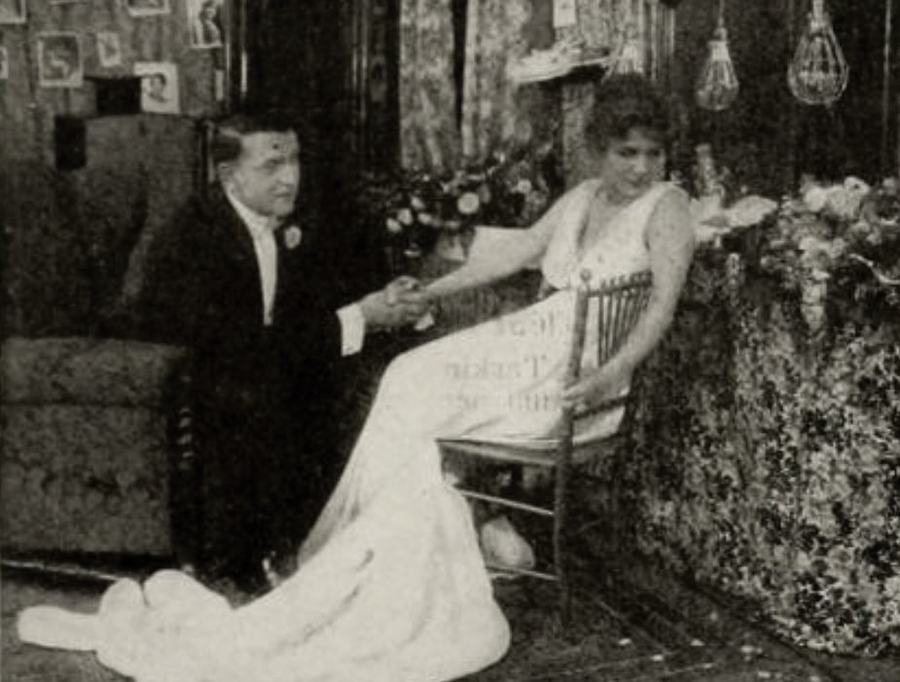
The visual language of The Wheel of the Law is defined by its use of shadows and framing, a hallmark of George D. Baker's style. By utilizing a 1916-era palette, the film creates an immersive experience that perfectly complements its cult themes.
| Cinematography | Deep Focus |
| Soundtrack | Diegetic |
| Editing | Elliptical |
| Art Direction | Expressionist |
Visualizing the convergence of George D. Baker's style and the core cult narrative.
Young attorney John Norton is in love with Broadway star Mona Mainard. Mona's young brother Tommy has served a term in Sing Sing. When he is released, he comes at once to his sister and tells her he is going away to begin life anew. She urges him to remain, but he refuses, and she gives him money for his railroad fare. He knows of her love for Norton, who has now been made assistant district attorney, in recognition of his ability, and does not want to stand in her way. Mona leaves the stage and marries Norton. Boss politician Ryan is in love with adventuress Pearl Le Claire. He has installed her in a handsome apartment in the Arcadia, the leading hotel, where he guards her jealously. Norton wins case after case. Mona realizes that less-clever lawyers are no match for him, and knows that based on circumstantial evidence, he secures many convictions of innocent persons. District attorney Daniels becomes ill and Norton succeeds to his position. He convicts on circumstantial evidence an old man who obviously could not have committed the crime and is not guilty. As sentence is pronounced, the old man dies on the witness stand. Mona, in the gallery, is amazed at the injustice of it, and writes to a newspaper a scathing denunciation of the case under an assumed name. The breach widens between husband and wife. Mona pleads with Norton to change his tactics, but he knows that his record has made him a favorite with the public, and that he is in line for the governorship of the state. Tommy has secured work as bell-boy in the Arcadia Hotel. In a jealous rage Ryan kills Pearl Le Claire, but the evidence points directly to Tommy. The boy gives the name of John Smith, not wishing to bring disgrace upon his sister, and is taken to the Tombs. Mona sees his picture in the newspaper. She rushes to him. He insists that he did not commit the murder, and convinces her of his innocence. She goes to her husband and begs him to give up this case, but he tells her that Ryan will make him governor of the state if he wins it. She confesses that Tommy is her brother, but even that does not influence him. Norton has a laboratory adjacent to his library. where he experiments with poisons and chemicals in preparing for his cases. Among his bottles is one containing a harmless sedative. Mona changes the labels on some of the bottles. That night, while her husband is working with his stenographer in the library, Mona feigns hysteria. Norton rushes to the laboratory, snatches up the bottle which he supposes contains the sedative, and gives her some of the contents. Mona now simulates an agony of pain. Servants and policemen rush in, and she accuses her husband of having poisoned her. He swears that he did not, but all the evidence is against him. Circumstantial evidence proves that he has attempted to kill her. He begs her to forgive his hard-heartedness; he promises to do anything in the world for her if she will only live. Obtaining his promise not to prosecute her brother, Mona sits up, smiles, and makes him admit that circumstantial evidence may be wrong; also, that she is the best little actress in the world. Tommy is released, and as Ryan confesses, the real culprit is brought to justice without the aid of circumstantial evidence.
Decades after its release, The Wheel of the Law remains a vital piece of the cinematic puzzle. Its influence can be seen in countless modern works, solidifying George D. Baker's status as a master of the craft in United States and beyond.