
DbcultAccessing Vault...
Director's Spotlight
Senior Film Conservator
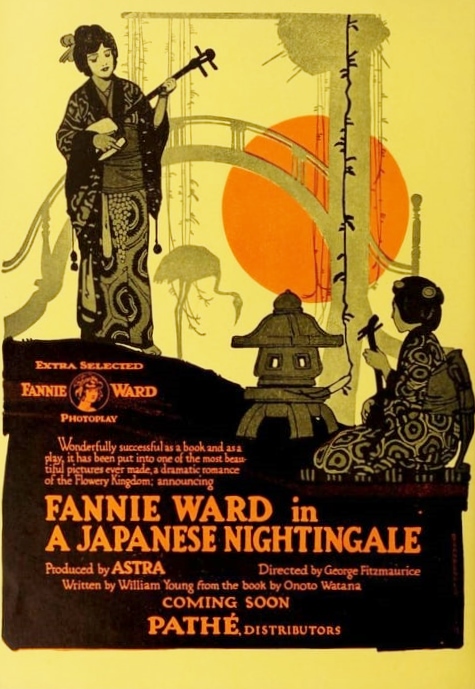
Director's Spotlight: United States
A Deep Dive into the 1918 Vision of George Fitzmaurice
Peeling back the layers of George Fitzmaurice's A Japanese Nightingale exposes the collaborative alchemy between George Fitzmaurice and the 1918 creative team. Anchored by a narrative that is both personal and universal, it reinforces the idea that cinema is a medium of infinite possibilities.
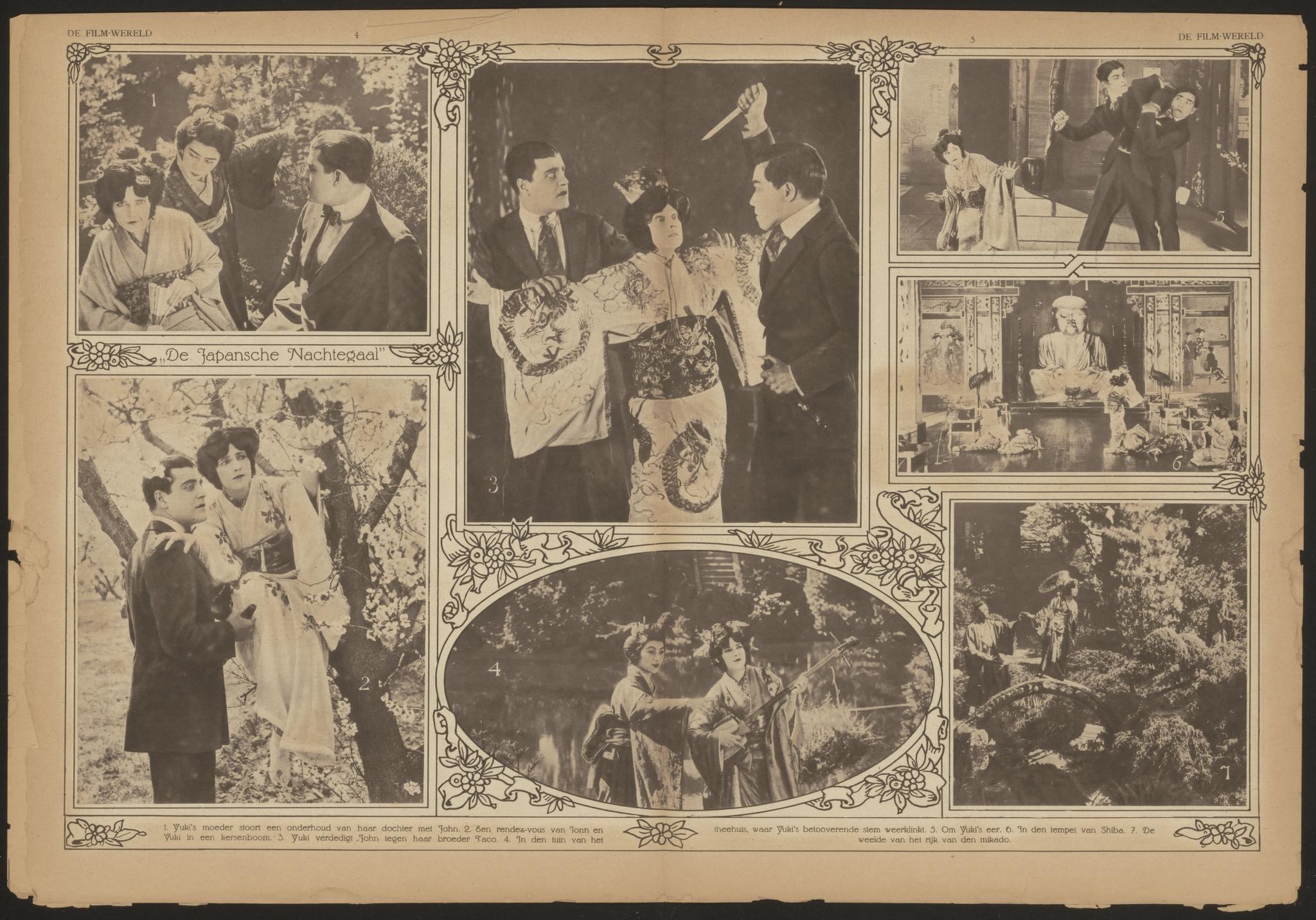
In A Japanese Nightingale, George Fitzmaurice pushes the boundaries of conventional narrative. The film's unique approach to its subject matter has sparked endless debates and interpretations among cinephiles and critics alike.
| Cinematography | Handheld |
| Soundtrack | Diegetic |
| Editing | Elliptical |
| Art Direction | Expressionist |
Visualizing the convergence of George Fitzmaurice's style and the core cult narrative.
A young Japanese woman named Yuki runs away and becomes a geisha girl in order to escape marriage to the lecherous Baron Nekko. Her brother's American friend, John Bigelow, falls in love with Yuki and marries her, but Ido, the marriage broker, who will lose a large commission if the wedding of Yuki and the baron is canceled, breaks into the American consulate, murders the consul, and steals the marriage certificate. When Yuki's brother arrives home from America, he is informed that she and John are living together unlawfully. To save her husband from her brother's vengeance, Yuki resolves to marry Baron Nekko, but Ido, having been mistreated by the baron, finally admits his guilt and returns the marriage certificate.
Decades after its release, A Japanese Nightingale remains a vital piece of the cinematic puzzle. Its influence can be seen in countless modern works, solidifying George Fitzmaurice's status as a master of the craft in United States and beyond.