
DbcultAccessing Vault...
Director's Spotlight
Senior Film Conservator
Director's Spotlight: United States
A Deep Dive into the 1916 Vision of George Fitzmaurice
To understand the modern evolution of United States film, one must first look at Big Jim Garrity and the meticulous attention to detail that George Fitzmaurice applied to every frame. Reflecting the political and social shifts of the 1916s, it showcases the power of cult as a tool for social commentary.
In Big Jim Garrity, George Fitzmaurice pushes the boundaries of conventional narrative. The film's unique approach to its subject matter has sparked endless debates and interpretations among cinephiles and critics alike.
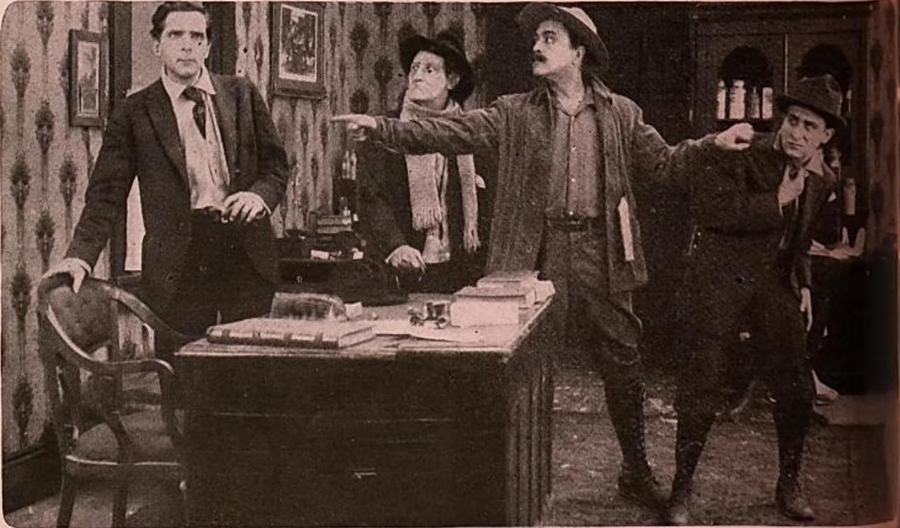
In this work, George Fitzmaurice explores the intersection of cult and United States cultural identity. The meticulous attention to detail suggests a deep-seated commitment to pushing the boundaries of the medium, ensuring that Big Jim Garrity remains a relevant topic of study for cult enthusiasts.
| Cinematography | Deep Focus |
| Soundtrack | Orchestral |
| Editing | Invisible |
| Art Direction | Kitsch |
Visualizing the convergence of George Fitzmaurice's style and the core cult narrative.
Mine owner Big Jim Garrity discovers that Hugh Malone is selling cocaine to his miners. He warns Malone to stop, but Malone refuses. He then decides to destroy the mine in order to get rid of Garyity. A miner is killed and Malone frames Jim for the death. Jim is imprisoned, but escapes and flees the country. He returns years later and, through a twist of fate, runs into his old enemy Malone.
Decades after its release, Big Jim Garrity remains a vital piece of the cinematic puzzle. Its influence can be seen in countless modern works, solidifying George Fitzmaurice's status as a master of the craft in United States and beyond.