
DbcultAccessing Vault...
Director's Spotlight
Senior Film Conservator
Director's Spotlight: United States
A Deep Dive into the 1918 Vision of George Fitzmaurice
In the storied career of George Fitzmaurice, Innocent stands as a the provocative questions that George Fitzmaurice poses to the United States audience. Elevating the source material through George Fitzmaurice's unique vision, it persists as a haunting reminder of our own cinematic history.
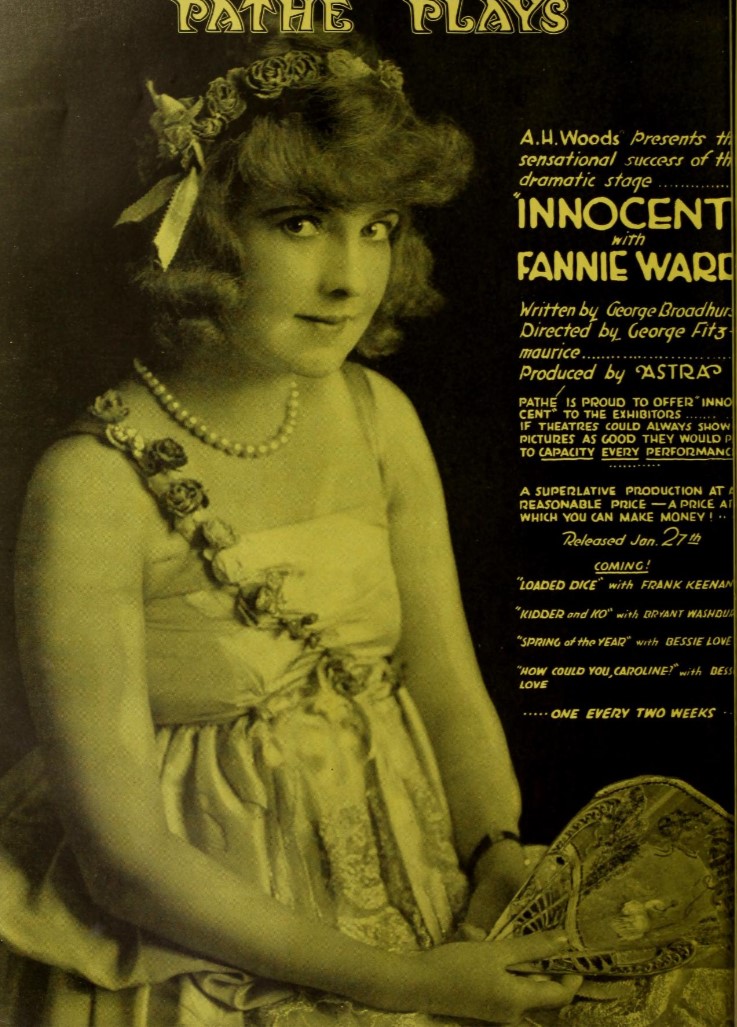
In Innocent, George Fitzmaurice pushes the boundaries of conventional narrative. The film's unique approach to its subject matter has sparked endless debates and interpretations among cinephiles and critics alike.
| Cinematography | Static |
| Soundtrack | Minimalist |
| Editing | Disjunctive |
| Art Direction | Baroque |
Visualizing the convergence of George Fitzmaurice's style and the core cult narrative.
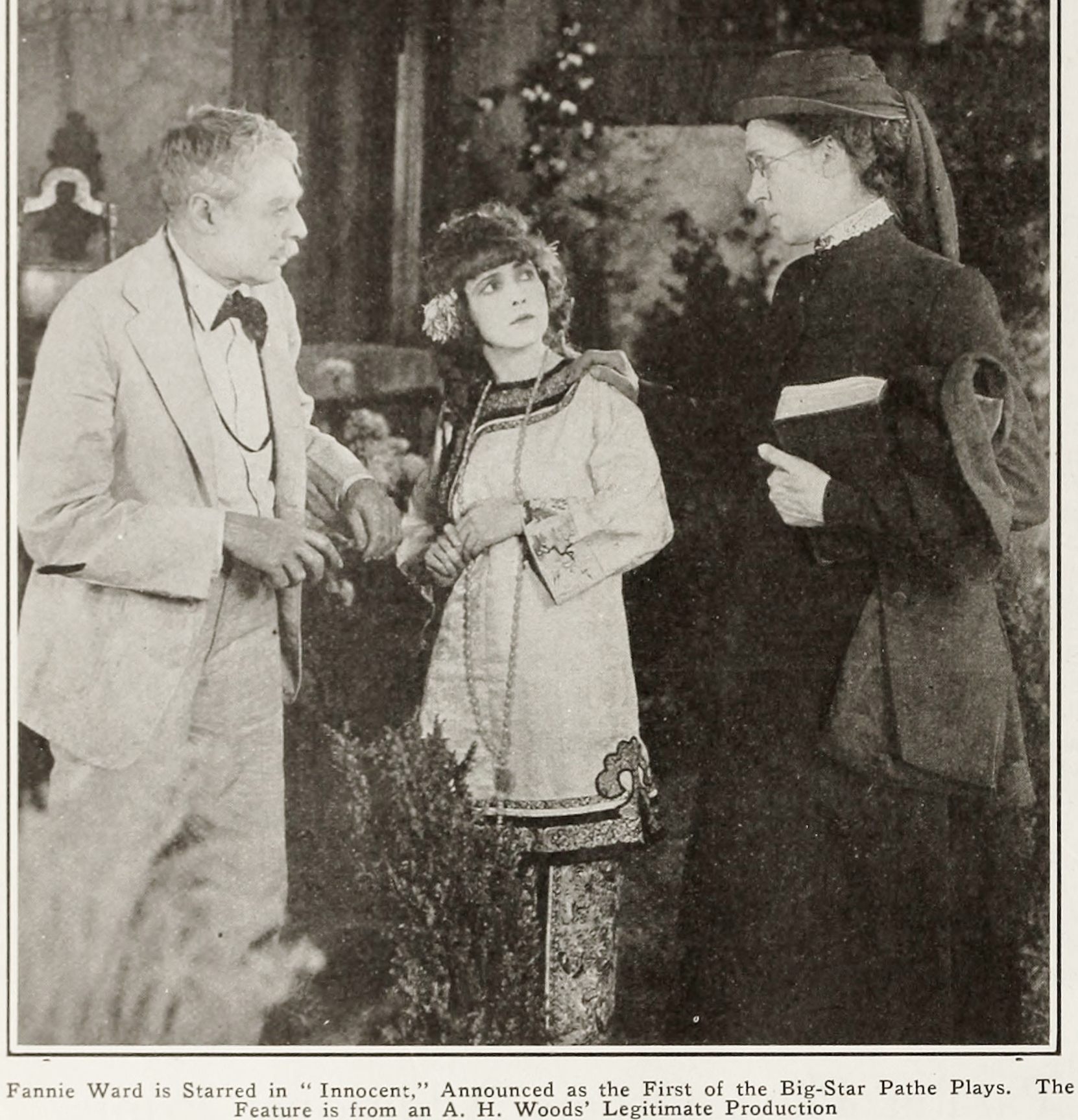
Kept in seclusion by her alcoholic father, Peter McCormack, Innocent knows nothing of life beyond her own house in Mukden, China. Following McCormack's death, Innocent is placed in the care of his close friend, John Wyndham. John promises to protect the girl, but when the two visit France, he resumes his gambling habit, while she, awestruck by the glitter and excitement of the Parisian social scene, soon becomes infatuated with Louis Doucet, the handsome but unscrupulous owner of a gambling establishment. Louis convinces Innocent to run away with him to the Riviera, but John finally locates them in Nice and shoots her lover. Having fallen in love with his ward, John returns to China, alone and heartbroken. He attempts suicide but recovers from his wound, whereupon Innocent, who now realizes her love for John, follows him to Mukden and agrees to marry him.
Decades after its release, Innocent remains a vital piece of the cinematic puzzle. Its influence can be seen in countless modern works, solidifying George Fitzmaurice's status as a master of the craft in United States and beyond.