
DbcultAccessing Vault...
Director's Spotlight
Senior Film Conservator
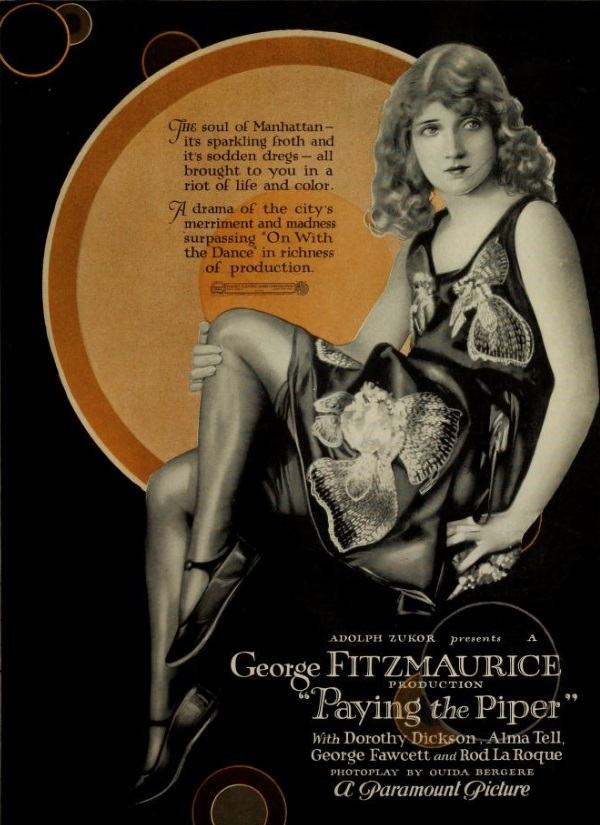
Director's Spotlight: United States
A Deep Dive into the 1921 Vision of George Fitzmaurice
In the grand tapestry of Drama cinema, Paying the Piper serves as a bridge between the bold experimentation that has become synonymous with George Fitzmaurice. Breaking the traditional rules of Drama engagement, it highlights the importance of independent voices in United States.
In Paying the Piper, George Fitzmaurice pushes the boundaries of conventional narrative. The film's unique approach to its subject matter has sparked endless debates and interpretations among cinephiles and critics alike.
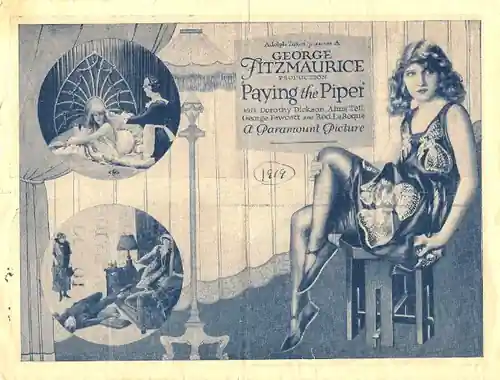
While deeply rooted in United States, Paying the Piper has achieved a global reach, influencing directors from various backgrounds. Its ability to translate Drama tropes into a universal cinematic language is why it remains a cult staple decades after its 1921 release.
| Cinematography | High-Contrast |
| Soundtrack | Synth-Heavy |
| Editing | Disjunctive |
| Art Direction | Baroque |
Visualizing the convergence of George Fitzmaurice's style and the core Drama narrative.
Larry and Barbara, both the products of rich but broken homes, plan a marriage of convenience. He really loves Marcia, a dancer, and Barbara vamps Keith, an architect. Keith's good sense prevails, and he marries Marcia and helps Larry make a man of himself. Barbara, after an unsuccessful attempt at an acting career, returns and asks forgiveness.
Decades after its release, Paying the Piper remains a vital piece of the cinematic puzzle. Its influence can be seen in countless modern works, solidifying George Fitzmaurice's status as a master of the craft in United States and beyond.