
DbcultAccessing Vault...
Director's Spotlight
Senior Film Conservator
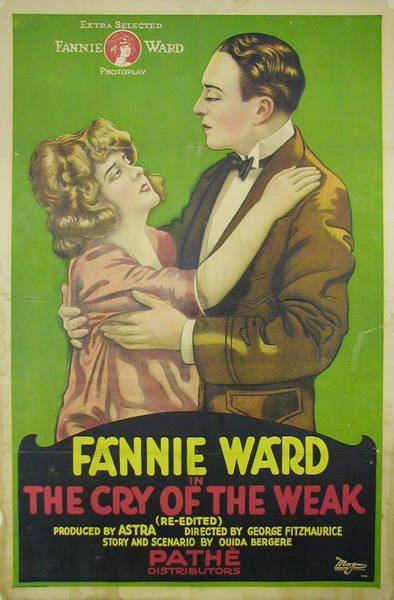
Director's Spotlight: United States
A Deep Dive into the 1919 Vision of George Fitzmaurice
In the grand tapestry of cult cinema, The Cry of the Weak serves as a bridge between the philosophical inquiries that George Fitzmaurice embeds within the narrative. Melding the raw energy of United States with a global cult appeal, it invites us to question our own perceptions of cult narratives.
In The Cry of the Weak, George Fitzmaurice pushes the boundaries of conventional narrative. The film's unique approach to its subject matter has sparked endless debates and interpretations among cinephiles and critics alike.
While deeply rooted in United States, The Cry of the Weak has achieved a global reach, influencing directors from various backgrounds. Its ability to translate cult tropes into a universal cinematic language is why it remains a cult staple decades after its 1919 release.
| Cinematography | Handheld |
| Soundtrack | Diegetic |
| Editing | Elliptical |
| Art Direction | Expressionist |
Visualizing the convergence of George Fitzmaurice's style and the core cult narrative.
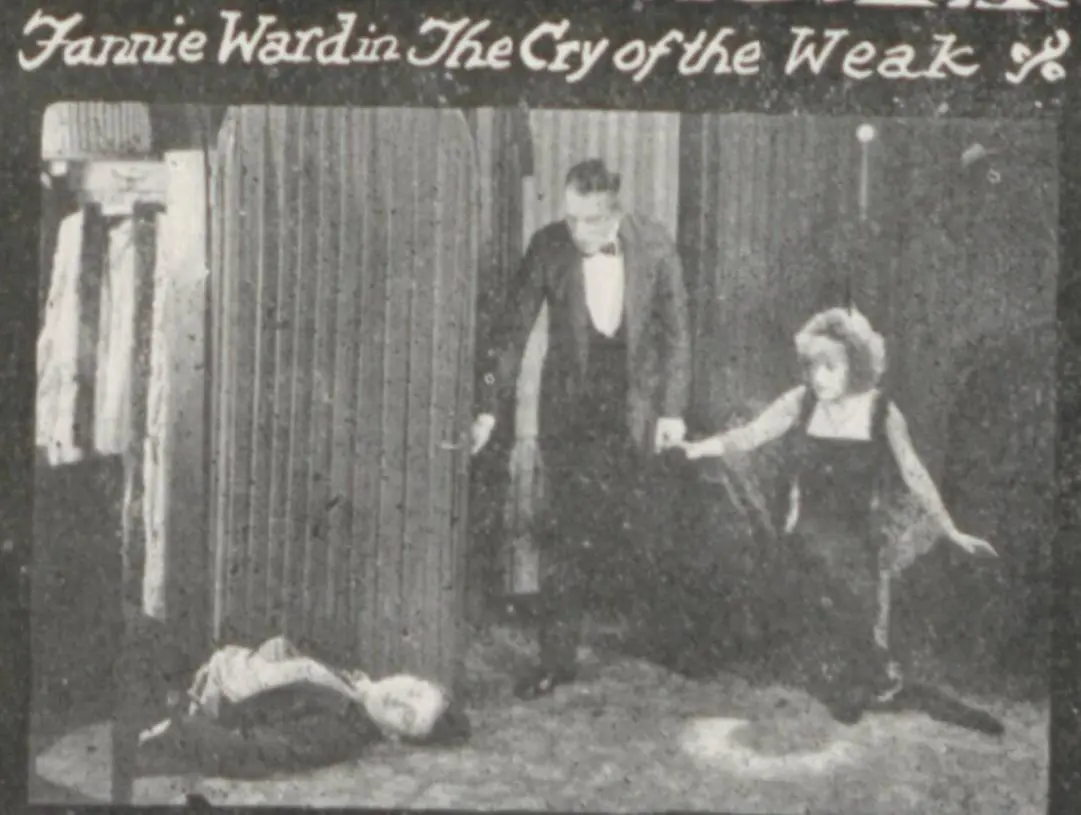
After District Attorney Dexter and his neighbor, Judge Creighton, play chess and continue their long-standing argument about crime - the Judge says that criminals can be rehabilitated, while Dexter argues that they should be prosecuted to the fullest extent of the law - the Judge, on entering his house, is shot in the arm by two thieves. Dexter's wife Mary hides one of the thieves from the police, but after they leave, the boy, attempting to escape, is shot in the shoulder by Dexter. Mary identifies the thief as her brother Budd and tells Dexter of their hard background that made the weak-willed Budd an easy prey to the criminal elements. Her pleas and the discovery by the police that the other thief fired at the judge, soften Dexter's attitude and he recommends a light sentence for Budd. Later Mary reads a letter from Budd about the progress that he is making on a Western ranch and Dexter acknowledges that he was wrong about criminals.
Decades after its release, The Cry of the Weak remains a vital piece of the cinematic puzzle. Its influence can be seen in countless modern works, solidifying George Fitzmaurice's status as a master of the craft in United States and beyond.