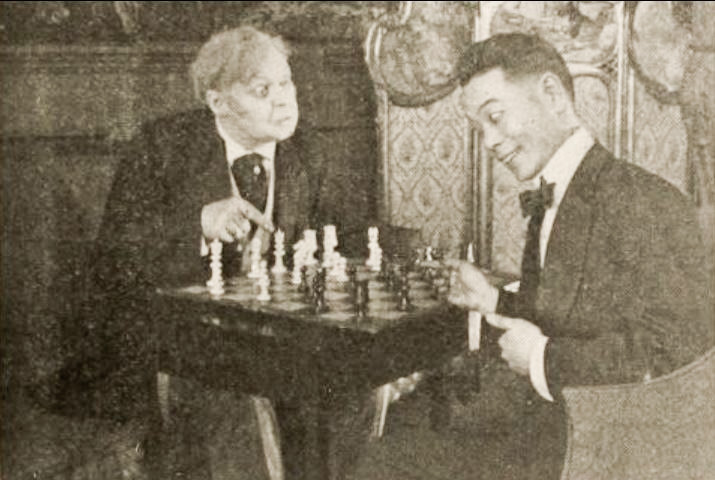
After District Attorney Dexter and his neighbor, Judge Creighton, play chess and continue their long-standing argument about crime - the Judge says that criminals can be rehabilitated, while Dexter argues that they should be prosecuted to the fullest extent of the law - the Judge, on entering his house, is shot in the arm by two thieves. Dexter's wife Mary hides one of the thieves from the police, but after they leave, the boy, attempting to escape, is shot in the shoulder by Dexter.
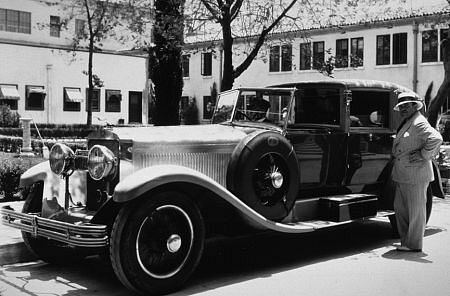
Ouida Bergère
United States
The Jurisprudence of the Soul: Unpacking the 1919 MasterpieceIn the pantheon of early silent cinema, few works attempt the intellectual heavy lifting found in The Cry of the Weak. Directed with a keen eye for social nuance and written by the formidable Ouida Bergère, this 1919 feature transcends the simplistic moralizi...
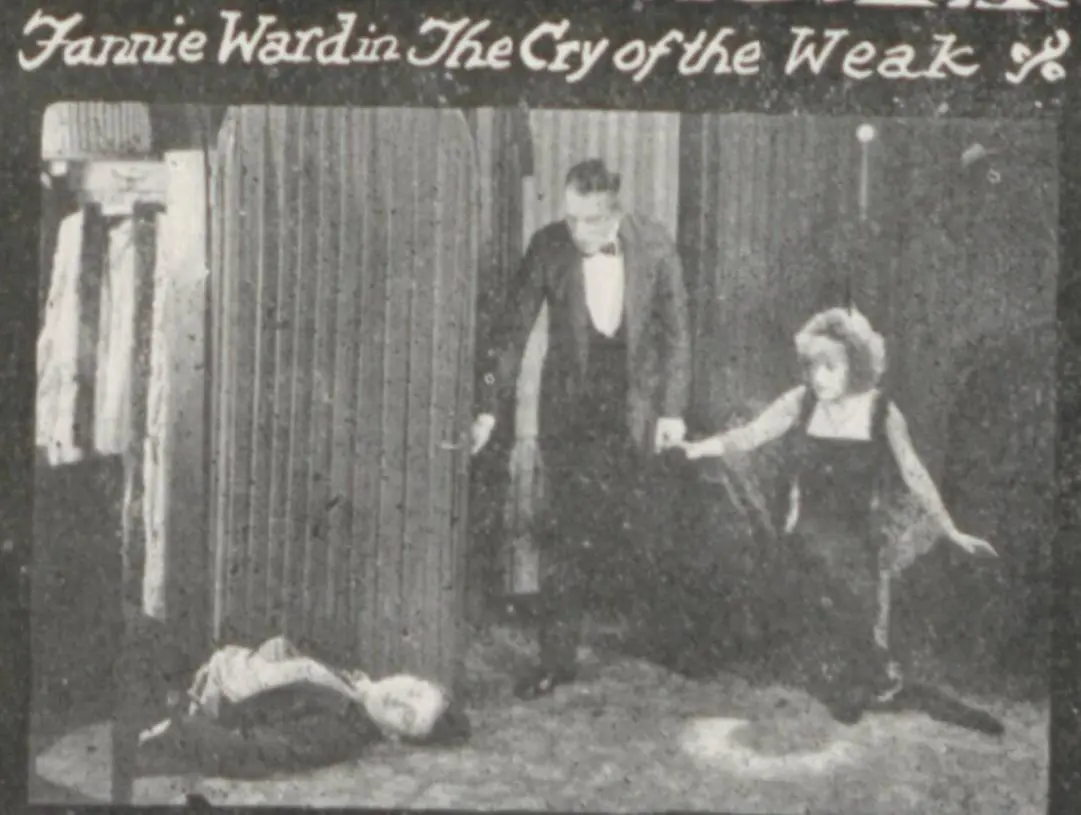
still_frame
Comparing the cinematic DNA and archive impact of two defining moments in cult history.
George Fitzmaurice
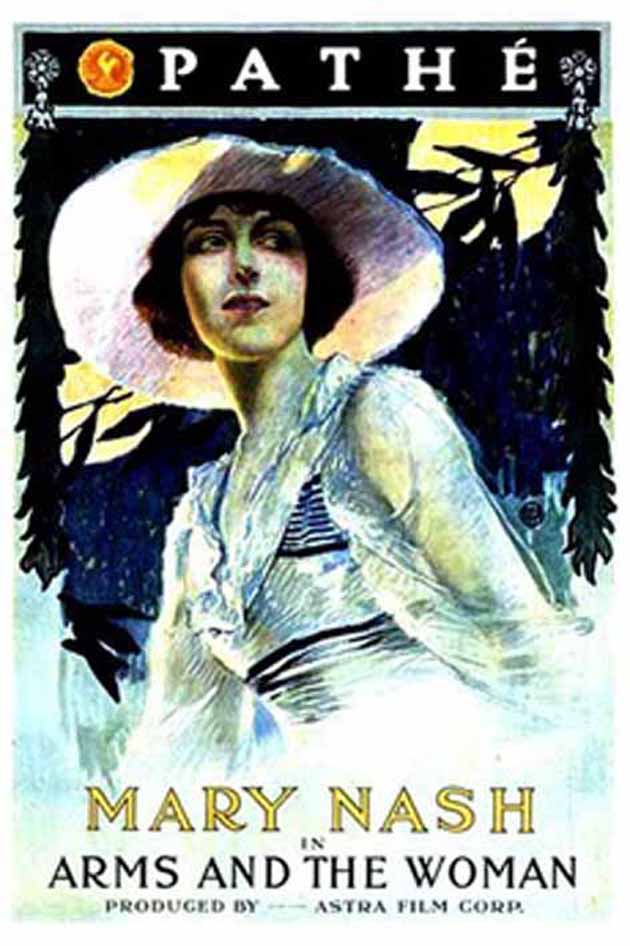
George Fitzmaurice
Community
Log in to comment.
"The Jurisprudence of the Soul: Unpacking the 1919 MasterpieceIn the pantheon of early silent cinema, few works attempt the intellectual heavy lifting found in The Cry of the Weak. Directed with a keen eye for social nuance and written by the formidable Ouida Bergère, this 1919 feature transcends the simplistic moralizing of its era. It is not merely a story of crime and punishment; it is an architectural study of the human conscience. The film opens not with action, but with an ideological stale..."
Deep dive into the cult classic
Discover similar cinematic experiences
A Directorial Spotlight on George Fitzmaurice