
DbcultAccessing Vault...
Director's Spotlight
Senior Film Conservator
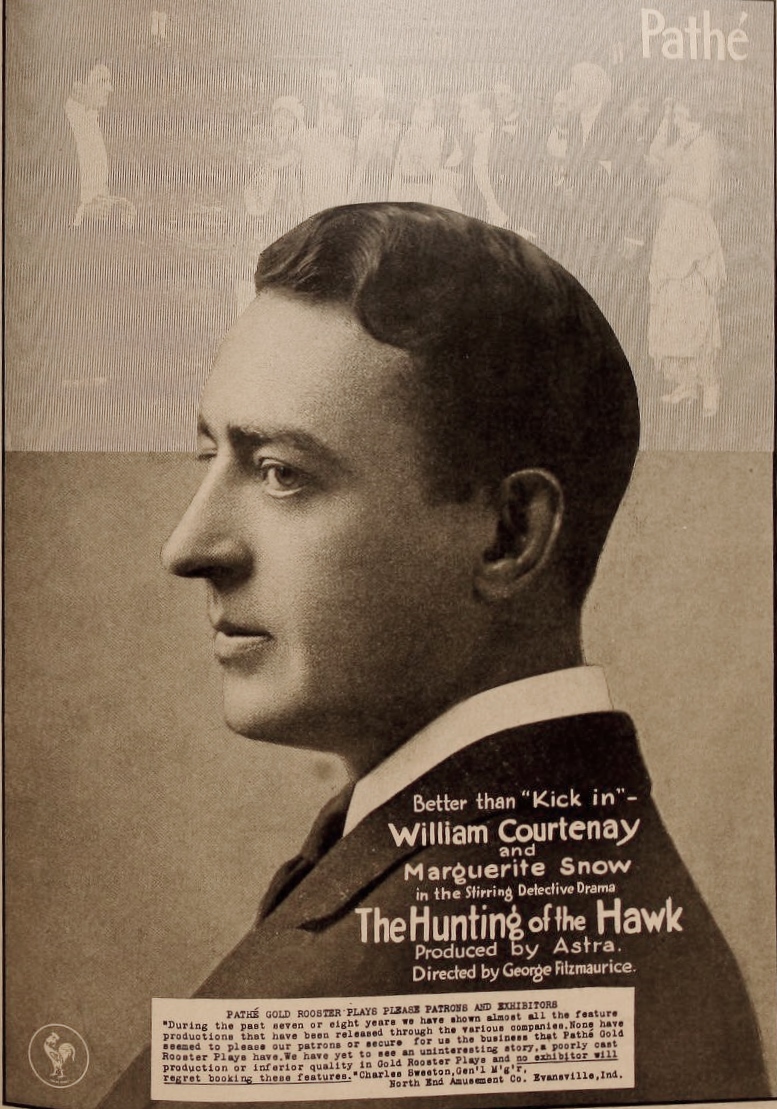
Director's Spotlight: United States
A Deep Dive into the 1917 Vision of George Fitzmaurice
Analyzing The Hunting of the Hawk (1917) requires a deep dive into the defining moment in cult history that George Fitzmaurice helped create. Defining a new era of United States artistic expression, it transcends regional boundaries to tell a universal story.
In The Hunting of the Hawk, George Fitzmaurice pushes the boundaries of conventional narrative. The film's unique approach to its subject matter has sparked endless debates and interpretations among cinephiles and critics alike.
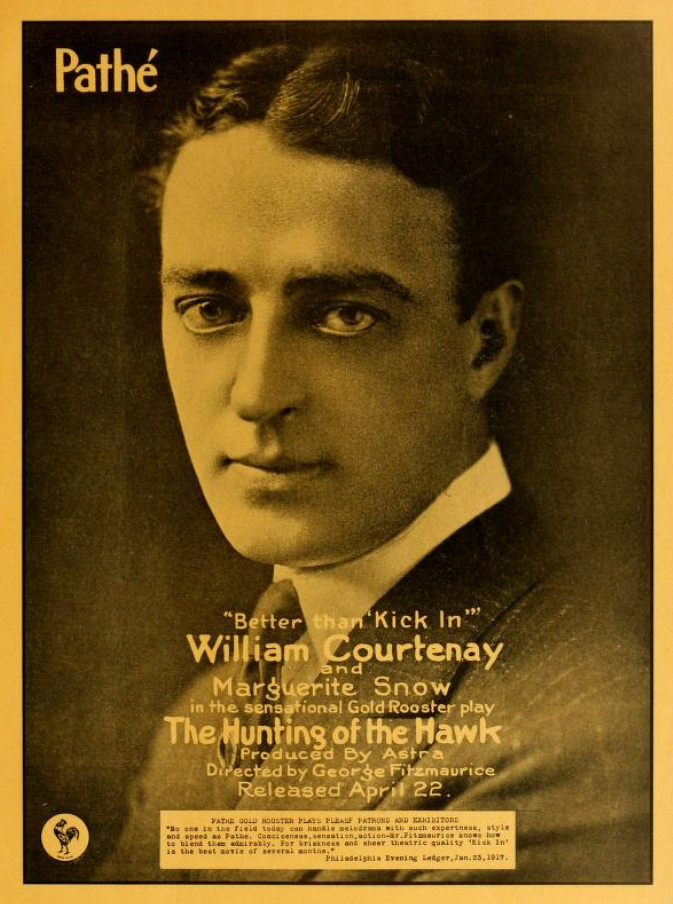
To fully appreciate The Hunting of the Hawk, one must consider the cinematic climate of 1917. During this period, United States was undergoing significant artistic shifts, and George Fitzmaurice was at the forefront of this cult movement, often challenging established norms.
| Cinematography | Static |
| Soundtrack | Experimental |
| Editing | Invisible |
| Art Direction | Kitsch |
Visualizing the convergence of George Fitzmaurice's style and the core cult narrative.
Steaming across the Atlantic, loaded with passengers of every description, came one of those mammoth ocean liners headed for New York. On board was supposed to be the Hawk, a notorious international thief. Diana Curran, secretary for a wealthy society woman, received a proposal of marriage from Desselway, an unknown on board. She loved him, but the memory of the past interfered. Diana's father labored unsuccessfully to sell his engravings. His work was not in demand, until one day to him came a stranger who, posing as a member of the Treasury Department, gave him a commission to make duplicate plates of government notes. While her father was working on the plates, Wrenshaw, the supposed treasury man, made love to Diana, and they were married, but on the morning of the marriage the secret service raided the rooms of Pinna's father, and in the ensuing fight her father was killed and she believed that she had killed a man herself. Arriving at the country estate, she found that Wrenshaw, whom she had left the day after her marriage, was employed as secretary to her mistress' husband. Also Desselway was invited for the house party. Then things began to happen around a necklace. Wrenshaw's gang were among the servants. Desselway secured the necklace by force. An escaped counterfeiter, one whom Wrenshaw double crossed years back, in the neighborhood. In the chase Wrenshaw was killed by a shot through the window, Desselway's real character was revealed, and Diana saw the man whom she thought she had killed.
Decades after its release, The Hunting of the Hawk remains a vital piece of the cinematic puzzle. Its influence can be seen in countless modern works, solidifying George Fitzmaurice's status as a master of the craft in United States and beyond.