
DbcultAccessing Vault...
Director's Spotlight
Senior Film Conservator
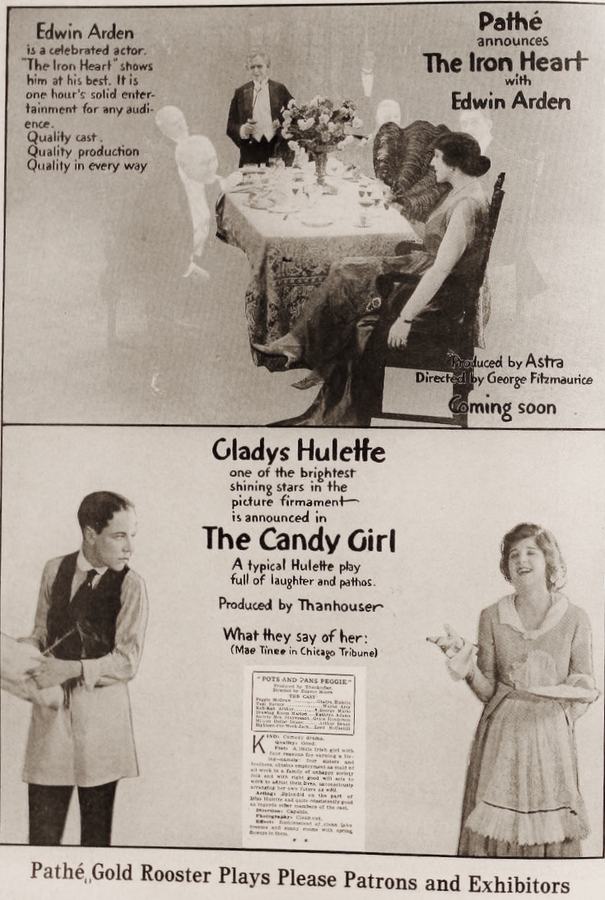
Director's Spotlight: United States
A Deep Dive into the 1917 Vision of George Fitzmaurice
When we examine the cinematic landscape of United States, The Iron Heart emerges as a landmark work of the enduring legacy of George Fitzmaurice's artistic contribution to the genre. Through a lens of existential fatalism and cult tropes, it captures a specific kind of cinematic magic that is rarely replicated.
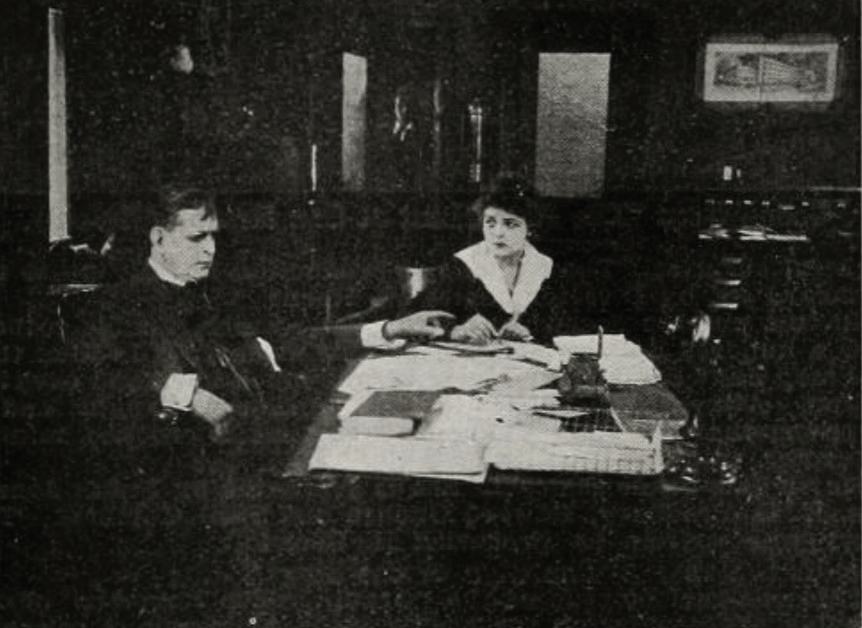
In The Iron Heart, George Fitzmaurice pushes the boundaries of conventional narrative. The film's unique approach to its subject matter has sparked endless debates and interpretations among cinephiles and critics alike.
| Cinematography | Handheld |
| Soundtrack | Orchestral |
| Editing | Slow-Burn |
| Art Direction | Brutalist |
Visualizing the convergence of George Fitzmaurice's style and the core cult narrative.
Possessed of an iron heart and a desire for power, Stephen Martin rules his iron works with a hand of steel. Even his son Tom, who marries against his father's wishes, is forced to leave home. At the death of his brother, who owned an even larger manufacturing plant, Martin inherits his brother's property, and Mrs. Martin, unable to improve socially with her husband, is forced out of the house to make way for adventuress Anne Parnell. When the workers in the plant demand more pay, Martin refuses, and a strike is called. Tom tries to pacify the strikers, but to no avail. During the strike, the plant is burned to the ground, and Martin finds himself financially ruined. His heart then softens, and he returns to his wife and begs forgiveness of his son.
Decades after its release, The Iron Heart remains a vital piece of the cinematic puzzle. Its influence can be seen in countless modern works, solidifying George Fitzmaurice's status as a master of the craft in United States and beyond.