
DbcultAccessing Vault...
Director's Spotlight
Senior Film Conservator
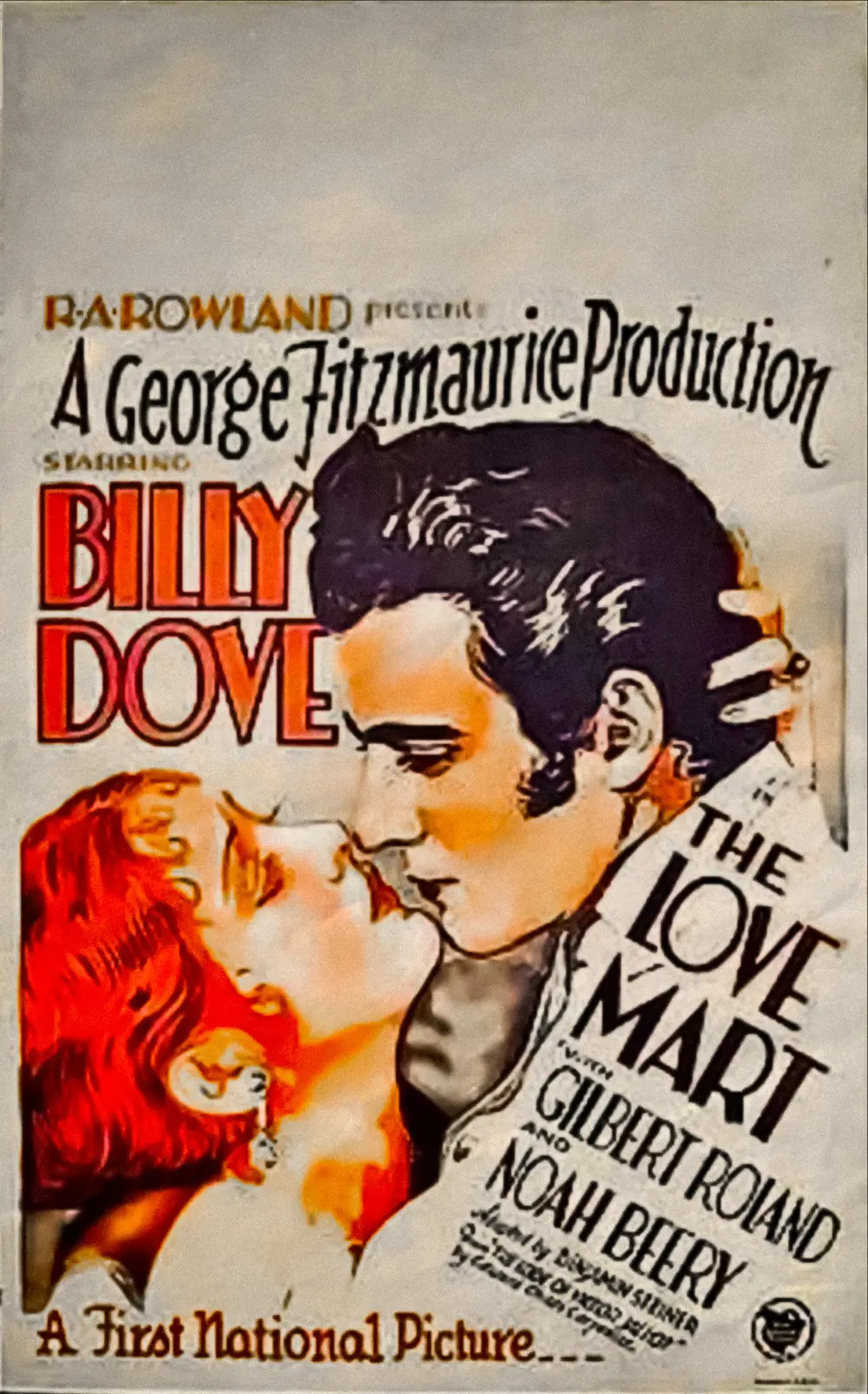
Director's Spotlight: United States
A Deep Dive into the 1927 Vision of George Fitzmaurice
The evocative power of The Love Mart stems from the unique collaboration between the subversive storytelling techniques employed by George Fitzmaurice in 1927. Synthesizing the best elements of United States and international cinema, it reminds us of the fragility and beauty of the 1927s.
In The Love Mart, George Fitzmaurice pushes the boundaries of conventional narrative. The film's unique approach to its subject matter has sparked endless debates and interpretations among cinephiles and critics alike.
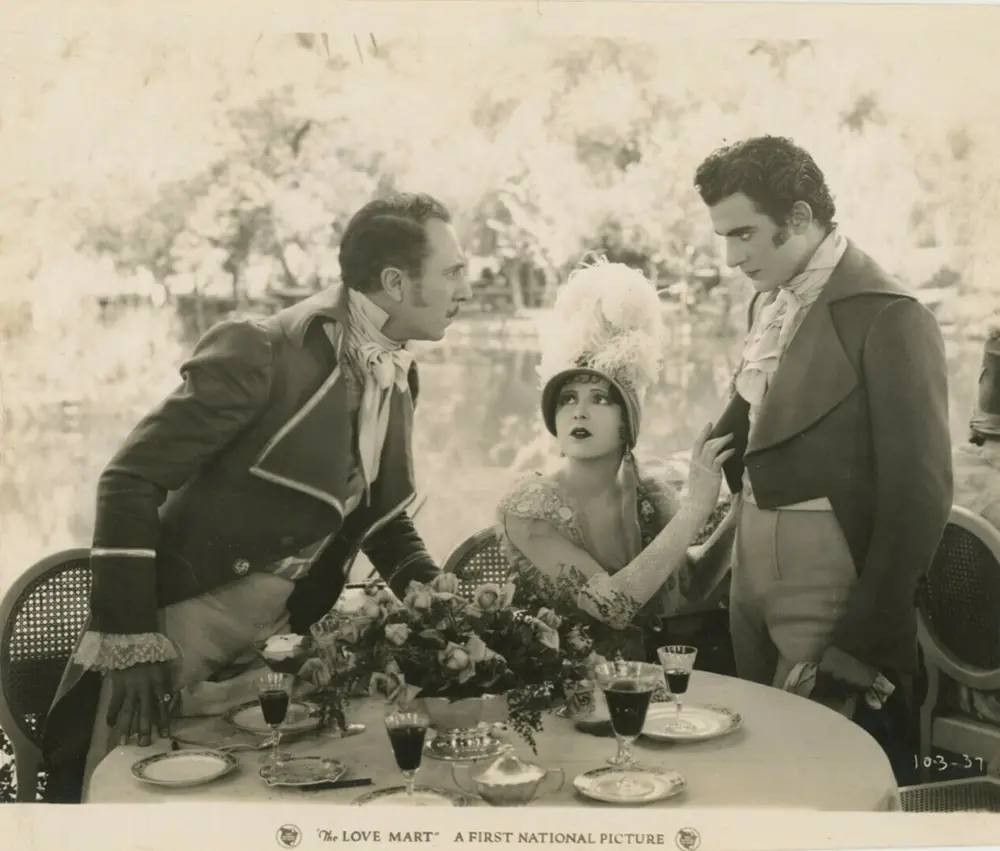
In this work, George Fitzmaurice explores the intersection of Drama and United States cultural identity. The meticulous attention to detail suggests a deep-seated commitment to pushing the boundaries of the medium, ensuring that The Love Mart remains a relevant topic of study for Drama enthusiasts.
| Cinematography | Handheld |
| Soundtrack | Orchestral |
| Editing | Invisible |
| Art Direction | Kitsch |
Visualizing the convergence of George Fitzmaurice's style and the core Drama narrative.
Victor, an adventurous young swashbuckler in 19th-century New Orleans, takes possession of a barber shop as the result of winning a duel, and decides to settle down to a life as a barber. He meets a beautiful young woman and pursues her, but she dismisses his attentions because she thinks he is just a barber. Also pursuing the woman is the evil Capt. Remy, whom she also brushes off. He, however, doesn't take rejection so lightly, and forges papers "proving" that the girl is a "quadroon"--part black, which means that she can be sold as a slave. She is sold to Capt. Remy, and when Victor hears of it, he determines to rescue her.
Decades after its release, The Love Mart remains a vital piece of the cinematic puzzle. Its influence can be seen in countless modern works, solidifying George Fitzmaurice's status as a master of the craft in United States and beyond.