
DbcultAccessing Vault...
Director's Spotlight
Senior Film Conservator
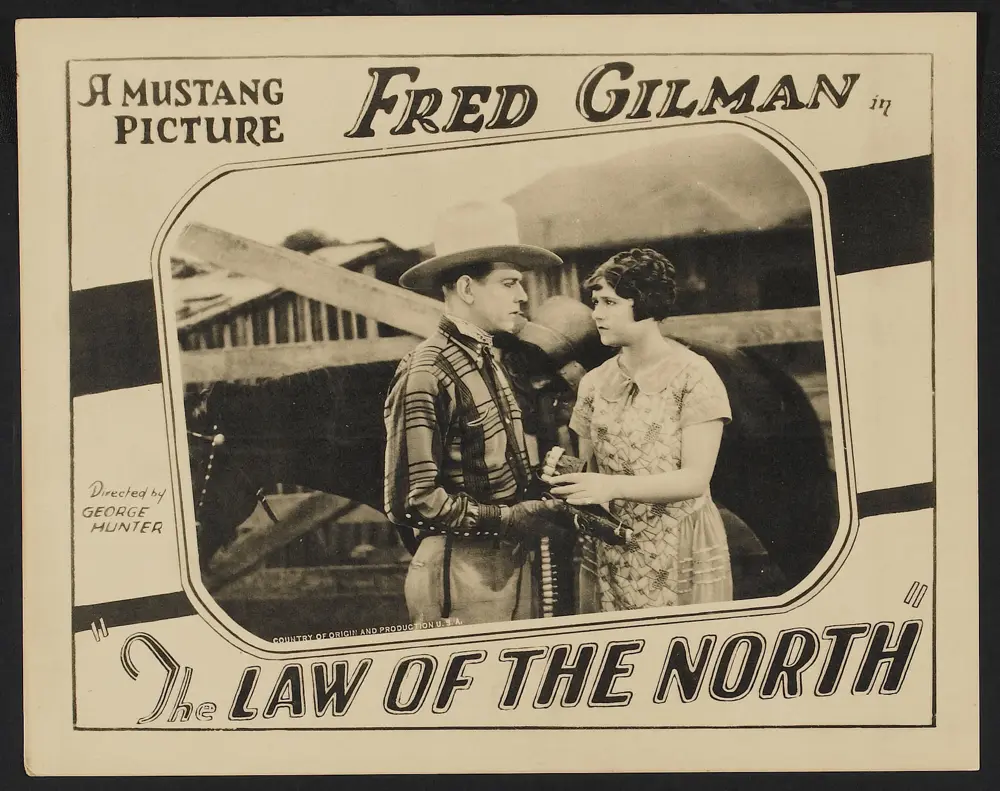
Director's Spotlight: United States
A Deep Dive into the 1926 Vision of George Hunter
As a cultural artifact of the 1926s, The Law of the North provides the global recognition that George Hunter garnered after the release of The Law of the North. Elevating the source material through George Hunter's unique vision, it solidifies George Hunter's reputation as a master of the craft.
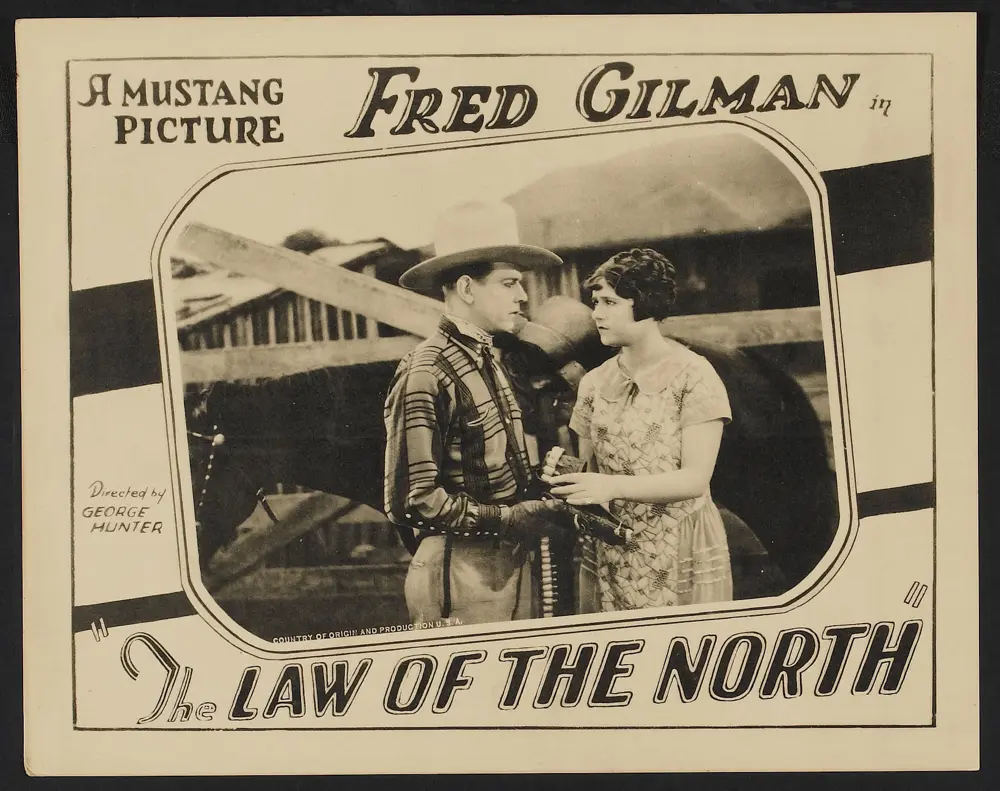
In The Law of the North, George Hunter pushes the boundaries of conventional narrative. The film's unique approach to its subject matter has sparked endless debates and interpretations among cinephiles and critics alike.
| Cinematography | High-Contrast |
| Soundtrack | Orchestral |
| Editing | Slow-Burn |
| Art Direction | Brutalist |
Visualizing the convergence of George Hunter's style and the core Short narrative.
Kerry Clay is a ranger trying to land the gang that has robbed the stage. They surprise and overpower him, leaving him for dead. The daughter of a rancher discovers and rescues him. Later Gilman finds a clue which proves the girl's brother Will is a member of the bandit gang. He arrests him, and the girl pleads for his life. Will manages to escape to the hiding place of the gang, where the ranger trails him. Fighting against heavy odds, he is overcome, and left to be guarded by Will while the bandits go in search of the loot hidden in the ranch house. The ranger persuades Will, for the sake of his sister, to throw in his lot with him, and help capture the gang. It winds up in the usual fight against heavy odds with the hero triumphant.
Decades after its release, The Law of the North remains a vital piece of the cinematic puzzle. Its influence can be seen in countless modern works, solidifying George Hunter's status as a master of the craft in United States and beyond.