
DbcultAccessing Vault...
Director's Spotlight
Senior Film Conservator
Director's Spotlight: United States
A Deep Dive into the 1917 Vision of George Irving
The artistic breakthrough represented by Daughter of Destiny in 1917 highlights the uncompromising vision of George Irving that defines this cult masterpiece. In the context of United States's rich cinematic history, it captures a specific kind of cinematic magic that is rarely replicated.
In Daughter of Destiny, George Irving pushes the boundaries of conventional narrative. The film's unique approach to its subject matter has sparked endless debates and interpretations among cinephiles and critics alike.
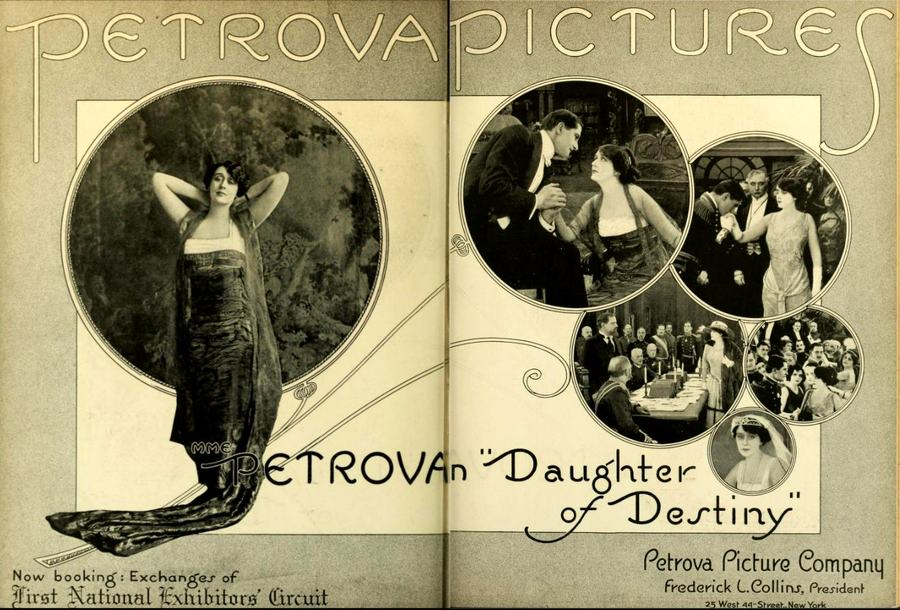
While deeply rooted in United States, Daughter of Destiny has achieved a global reach, influencing directors from various backgrounds. Its ability to translate cult tropes into a universal cinematic language is why it remains a cult staple decades after its 1917 release.
| Cinematography | High-Contrast |
| Soundtrack | Experimental |
| Editing | Invisible |
| Art Direction | Kitsch |
Visualizing the convergence of George Irving's style and the core cult narrative.
Married to a spy who seeks to induce her to betray her country, the daughter of the American Ambassador to Belmark welcomes the news of her husband's death not knowing that he has merely staged a deception. She becomes the morganatic wife of Prince Leopold, of Belmark, but renounces the marriage that war may be avoided, only to learn that the new alliance means a still greater war. She persuades Leopold to renounce the compact, then saves his life by throwing herself between him and an exploding bomb, but the story does not end there.
Decades after its release, Daughter of Destiny remains a vital piece of the cinematic puzzle. Its influence can be seen in countless modern works, solidifying George Irving's status as a master of the craft in United States and beyond.