
DbcultAccessing Vault...
Director's Spotlight
Senior Film Conservator
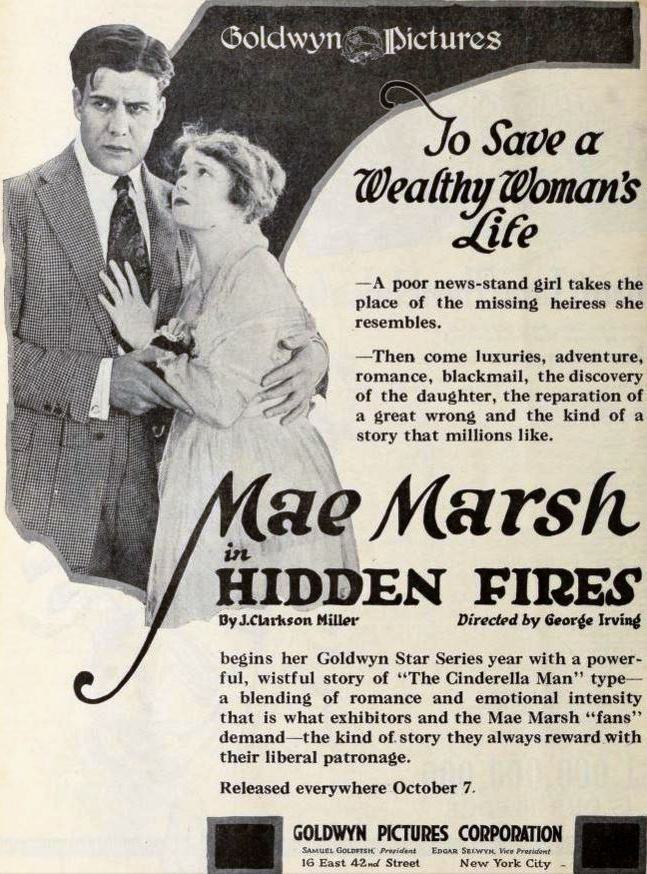
Director's Spotlight: United States
A Deep Dive into the 1918 Vision of George Irving
Deciphering the layers of Hidden Fires (1918) reveals the complex thematic architecture established by George Irving. Utilizing a 1918-specific aesthetic that remains timeless, it stands as the definitive 1918 statement on cult identity.
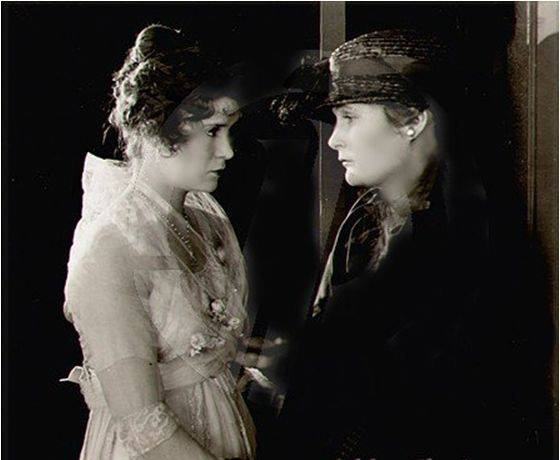
In Hidden Fires, George Irving pushes the boundaries of conventional narrative. The film's unique approach to its subject matter has sparked endless debates and interpretations among cinephiles and critics alike.
| Cinematography | Handheld |
| Soundtrack | Diegetic |
| Editing | Elliptical |
| Art Direction | Expressionist |
Visualizing the convergence of George Irving's style and the core cult narrative.
Louise Parke runs away to Paris with her lover Stephen Underwood, but because her mother, Mrs. Treadway Parke, misses her so deeply, she sends a wire announcing her return home. When the boat on which she is scheduled to sail is torpedoed, Mrs. Parke's physician, Dr. Granville, becomes concerned for her sanity and asks Peggy Murray, a newsstand girl who bears a remarkable likeness to Louise, to pose as the missing girl. At first the masquerade is successful: Mrs. Parke is happy and Peggy falls in love with George Landis. Soon, however, Louise returns unharmed, and Peggy slips away quietly. George finds Peggy working in the department store owned by his father and proposes. On their honeymoon cruise, the couple is surprised to encounter two more newly married couples: Stephen has married Louise; and Mrs. Parke has become Mrs. Dr. Granville.
Decades after its release, Hidden Fires remains a vital piece of the cinematic puzzle. Its influence can be seen in countless modern works, solidifying George Irving's status as a master of the craft in United States and beyond.