
DbcultAccessing Vault...
Director's Spotlight
Senior Film Conservator
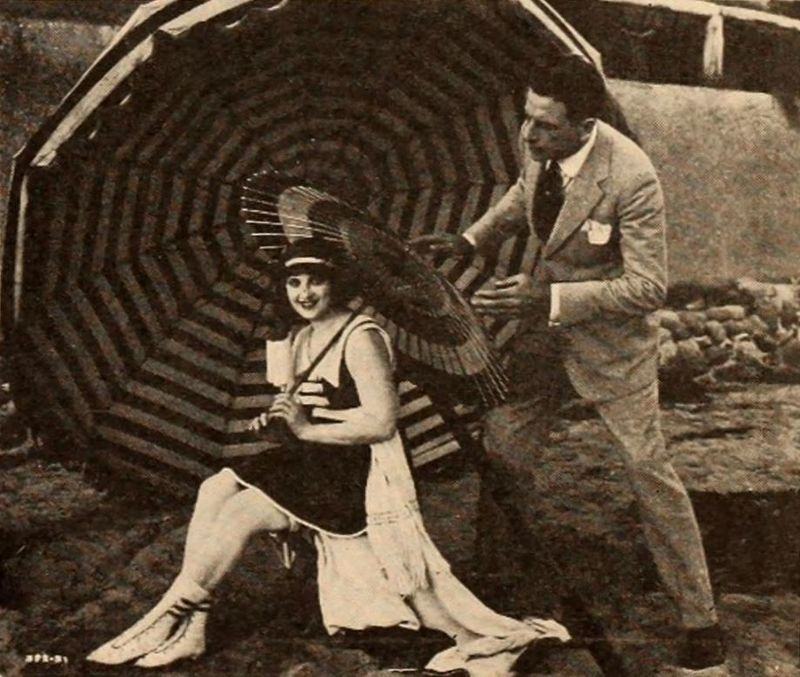
Director's Spotlight: United States
A Deep Dive into the 1920 Vision of George L. Cox
As we revisit the 1920 masterpiece The Week-End, we are struck by the atmospheric immersion that George L. Cox achieves throughout The Week-End. Exploring the nuances of the human condition with Comedy flair, it solidifies George L. Cox's reputation as a master of the craft.
In The Week-End, George L. Cox pushes the boundaries of conventional narrative. The film's unique approach to its subject matter has sparked endless debates and interpretations among cinephiles and critics alike.
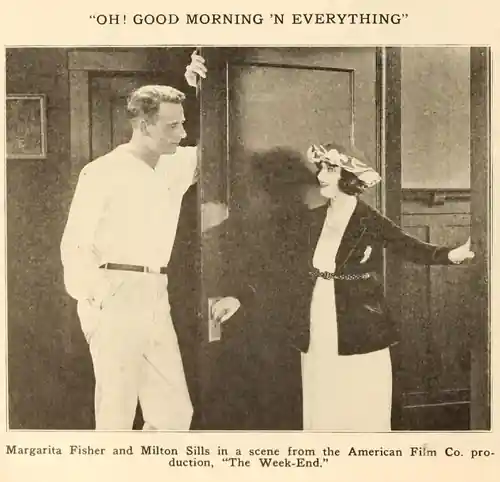
The visual language of The Week-End is defined by its use of shadows and framing, a hallmark of George L. Cox's style. By utilizing a 1920-era palette, the film creates an immersive experience that perfectly complements its Comedy themes.
| Cinematography | Handheld |
| Soundtrack | Diegetic |
| Editing | Elliptical |
| Art Direction | Expressionist |
Visualizing the convergence of George L. Cox's style and the core Comedy narrative.
High-spirited Vera Middleton causes her conventional parents much anxiety, so they decide to marry her to Spencer Jardine, a man who is greatly desirous of her money. When, during a weekend at her friend Grace Maynard's seaside bungalow, Vera becomes involved in a fling with Grace's nephew Arthur Tavener, scandalized neighbors notify her parents. When she returns home, Jardine urges her to marry him in order to save her reputation. Vera refuses, indignantly returns to the seaside and proceeds to vamp Arthur in revenge for his kissing her. When he pledges his love, Vera repulses him until her parents insist upon her marriage to Jardine, at which time Vera embraces Arthur and announces that she will marry a real man.
Decades after its release, The Week-End remains a vital piece of the cinematic puzzle. Its influence can be seen in countless modern works, solidifying George L. Cox's status as a master of the craft in United States and beyond.