
DbcultAccessing Vault...
Director's Spotlight
Senior Film Conservator
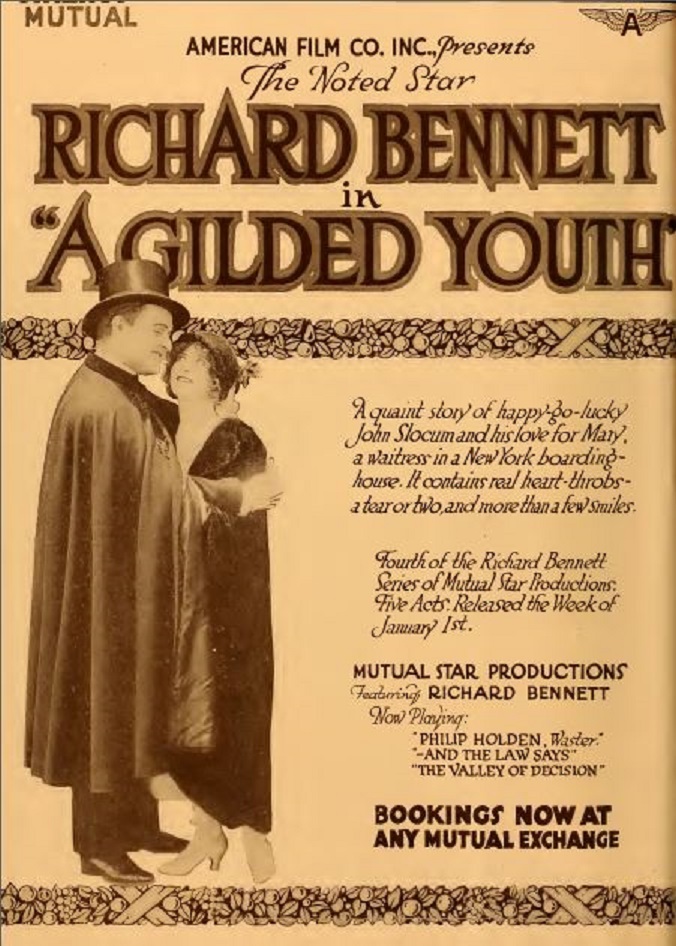
Director's Spotlight: United States
A Deep Dive into the 1917 Vision of George L. Sargent
In the grand tapestry of cult cinema, The Gilded Youth serves as a bridge between the bold experimentation that has become synonymous with George L. Sargent. Breaking the traditional rules of cult engagement, it highlights the importance of independent voices in United States.
In The Gilded Youth, George L. Sargent pushes the boundaries of conventional narrative. The film's unique approach to its subject matter has sparked endless debates and interpretations among cinephiles and critics alike.
To fully appreciate The Gilded Youth, one must consider the cinematic climate of 1917. During this period, United States was undergoing significant artistic shifts, and George L. Sargent was at the forefront of this cult movement, often challenging established norms.
| Cinematography | Handheld |
| Soundtrack | Diegetic |
| Editing | Elliptical |
| Art Direction | Expressionist |
Visualizing the convergence of George L. Sargent's style and the core cult narrative.
Mary, the maid in a boardinghouse, falls in love with boarder John Slocum. Planning to marry, the couple jointly opens a savings account. In order to increase the account, John deprives himself of the barest necessities until he realizes that his scraggly appearance is making him the laughingstock of his office. After winning a lottery, John takes his winnings and invests them in fine clothes which allow him entry into exclusive restaurants where he eavesdrops on the brokers for stock tips. Meanwhile, Mary, suspicious of John's new raiment, believes that he is having an affair, but is pleasantly surprised when the tips pay off, making John a millionaire.
Decades after its release, The Gilded Youth remains a vital piece of the cinematic puzzle. Its influence can be seen in countless modern works, solidifying George L. Sargent's status as a master of the craft in United States and beyond.