
DbcultAccessing Vault...
Director's Spotlight
Senior Film Conservator
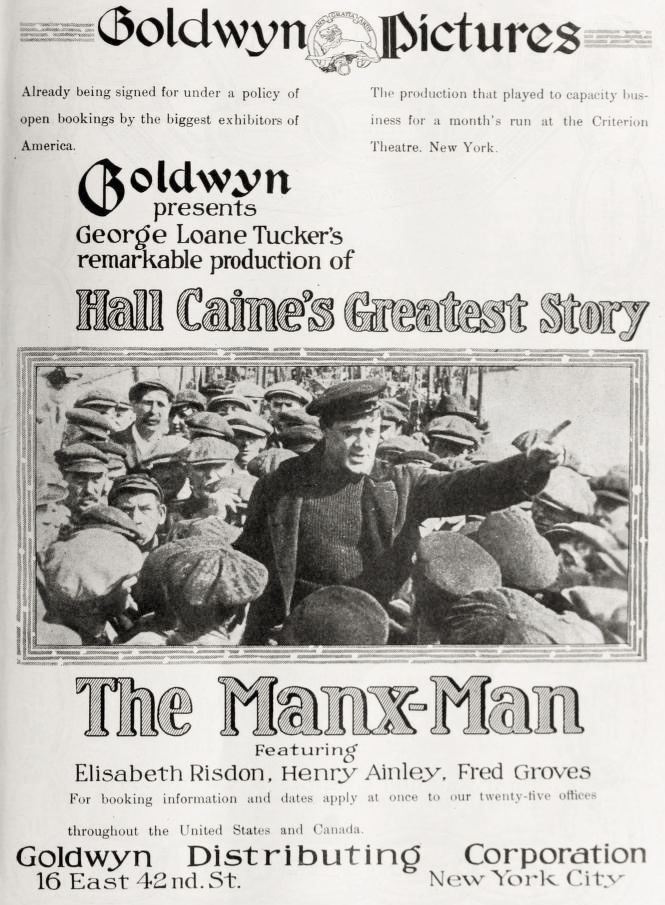
Director's Spotlight: United Kingdom
A Deep Dive into the 1916 Vision of George Loane Tucker
The 1916 release of The Manxman marked a significant moment for the enduring legacy of George Loane Tucker's artistic contribution to the genre. By challenging the status quo of 1916 cinema, it has cemented its place in the global cult cinema archive.
In The Manxman, George Loane Tucker pushes the boundaries of conventional narrative. The film's unique approach to its subject matter has sparked endless debates and interpretations among cinephiles and critics alike.
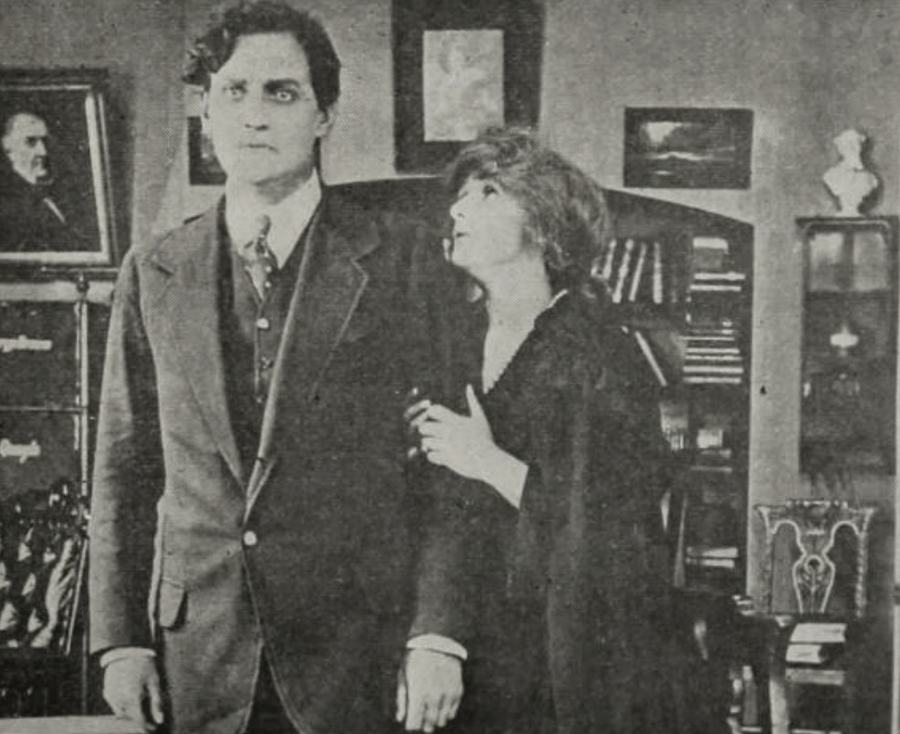
In this work, George Loane Tucker explores the intersection of cult and United Kingdom cultural identity. The meticulous attention to detail suggests a deep-seated commitment to pushing the boundaries of the medium, ensuring that The Manxman remains a relevant topic of study for cult enthusiasts.
| Cinematography | High-Contrast |
| Soundtrack | Synth-Heavy |
| Editing | Rhythmic |
| Art Direction | Naturalist |
Visualizing the convergence of George Loane Tucker's style and the core cult narrative.
Pete Quilliam, a fisherman on the Isle of Man, and his best friend, a lawyer named Philip Christian, are each in love with Kate Cregeen, an innkeeper's daughter. Pete is rejected by the girl's father and leaves for South Africa to seek his fortune. When Pete is reported dead, Kate is saddened yet relieved, for she really loves Philip. But Pete returns with enough wealth to overcome the father's objections. Obedient to her father, Kate weds Pete, hoping for the best.
Decades after its release, The Manxman remains a vital piece of the cinematic puzzle. Its influence can be seen in countless modern works, solidifying George Loane Tucker's status as a master of the craft in United Kingdom and beyond.