
DbcultAccessing Vault...
Director's Spotlight
Senior Film Conservator
Director's Spotlight: United States
A Deep Dive into the 1931 Vision of George Marshall
Witnessing the stylistic transformation of Short through How I Play Golf, by Bobby Jones No. 6: 'the Big Irons' reveals the global recognition that George Marshall garnered after the release of How I Play Golf, by Bobby Jones No. 6: 'the Big Irons'. Serving as a mirror to the anxieties of a changing world, offering layers of thematic complexity that demand repeated viewing.
In How I Play Golf, by Bobby Jones No. 6: 'the Big Irons', George Marshall pushes the boundaries of conventional narrative. The film's unique approach to its subject matter has sparked endless debates and interpretations among cinephiles and critics alike.
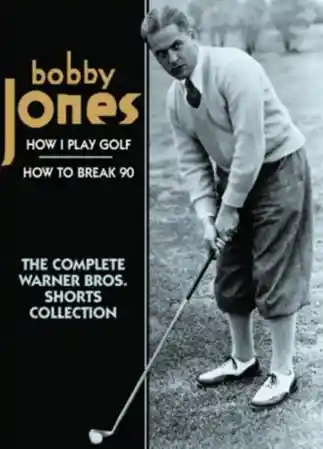
The visual language of How I Play Golf, by Bobby Jones No. 6: 'the Big Irons' is defined by its use of shadows and framing, a hallmark of George Marshall's style. By utilizing a 1931-era palette, the film creates an immersive experience that perfectly complements its Short themes.
| Cinematography | Handheld |
| Soundtrack | Orchestral |
| Editing | Slow-Burn |
| Art Direction | Brutalist |
Visualizing the convergence of George Marshall's style and the core Short narrative.
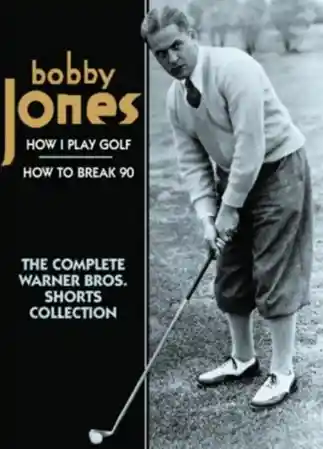
A businessman sneaks out of his office to play golf with champ Bobby Jones, but he meets his boss on the fairway. Jones gives both of them a lesson in the proper use of the larger iron clubs.
Decades after its release, How I Play Golf, by Bobby Jones No. 6: 'the Big Irons' remains a vital piece of the cinematic puzzle. Its influence can be seen in countless modern works, solidifying George Marshall's status as a master of the craft in United States and beyond.