
DbcultAccessing Vault...
Director's Spotlight
Senior Film Conservator
Director's Spotlight: United States
A Deep Dive into the 1925 Vision of George Melford
As we revisit the 1925 masterpiece Friendly Enemies, we are struck by the meticulous attention to detail that George Melford applied to every frame. Anchored by a narrative that is both personal and universal, it bridges the gap between traditional Comedy and contemporary vision.
In Friendly Enemies, George Melford pushes the boundaries of conventional narrative. The film's unique approach to its subject matter has sparked endless debates and interpretations among cinephiles and critics alike.
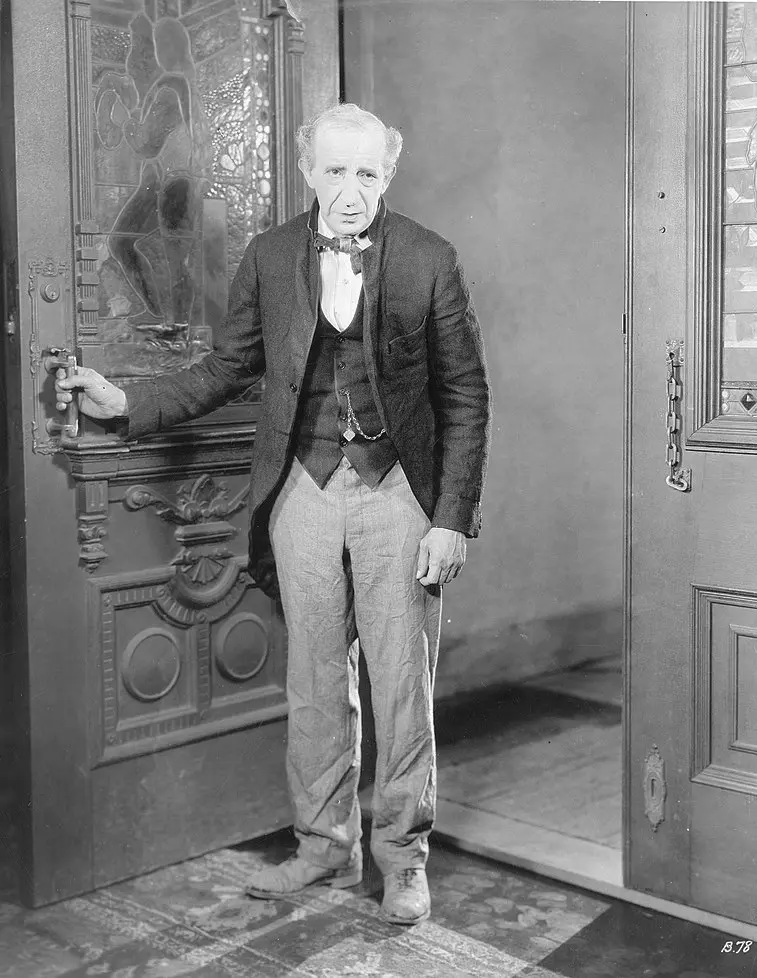
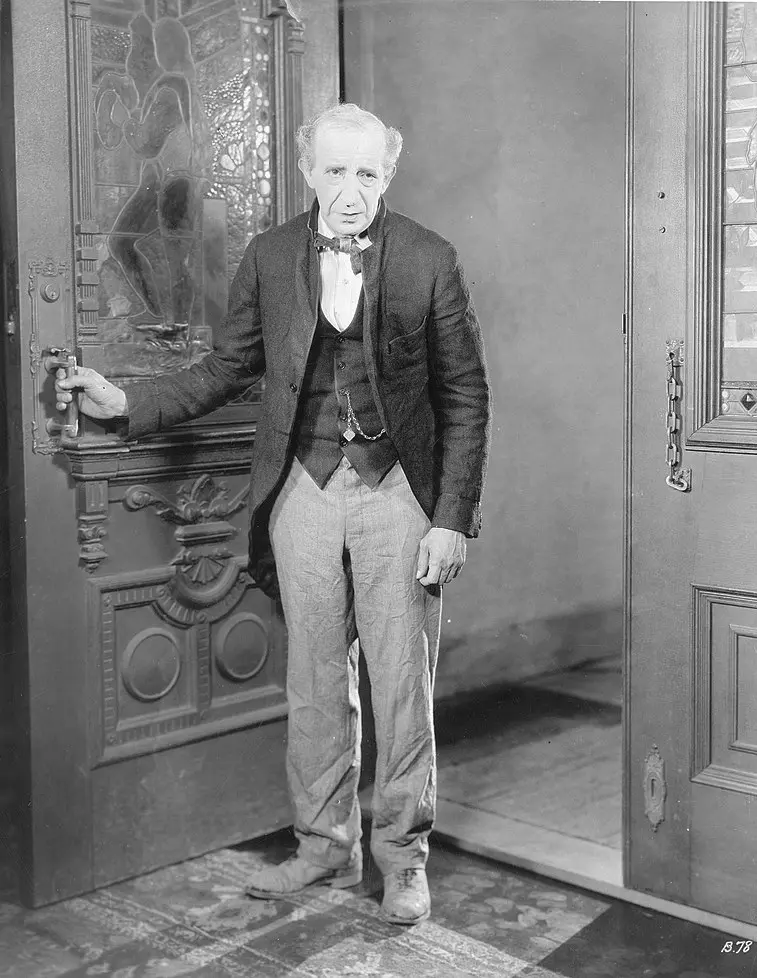
The visual language of Friendly Enemies is defined by its use of shadows and framing, a hallmark of George Melford's style. By utilizing a 1925-era palette, the film creates an immersive experience that perfectly complements its Comedy themes.
| Cinematography | Static |
| Soundtrack | Diegetic |
| Editing | Rhythmic |
| Art Direction | Naturalist |
Visualizing the convergence of George Melford's style and the core Comedy narrative.
Carl Pfeiffer and Henry Block, who emigrated from Germany to the United States, have become prosperous and argumentative. When the World War breaks out, Henry is one hundred percent American while Carl's loyalties are divided between his adopted country and his native land. William Pfeiffer, Carl's son, enlists in the U. S. Army, deeply disturbing his father, who is persuaded by Miller, a German agent, to contribute money to the German cause. Miller uses the money to place a saboteur on the troopship to which William is assigned. The saboteur disables the ship, and Carl receives a report that as a consequence William has been killed. William turns up unharmed, however, and Carl and Henry set out to capture Miller with the help of Hilda Schwartz, a Secret Service agent. After Miller is finally captured, William marries June Block, Henry's beautiful daughter, with the happy consent of the old friends, who now agree completely in their loyalty to the United States.
Decades after its release, Friendly Enemies remains a vital piece of the cinematic puzzle. Its influence can be seen in countless modern works, solidifying George Melford's status as a master of the craft in United States and beyond.