
DbcultAccessing Vault...
Director's Spotlight
Senior Film Conservator
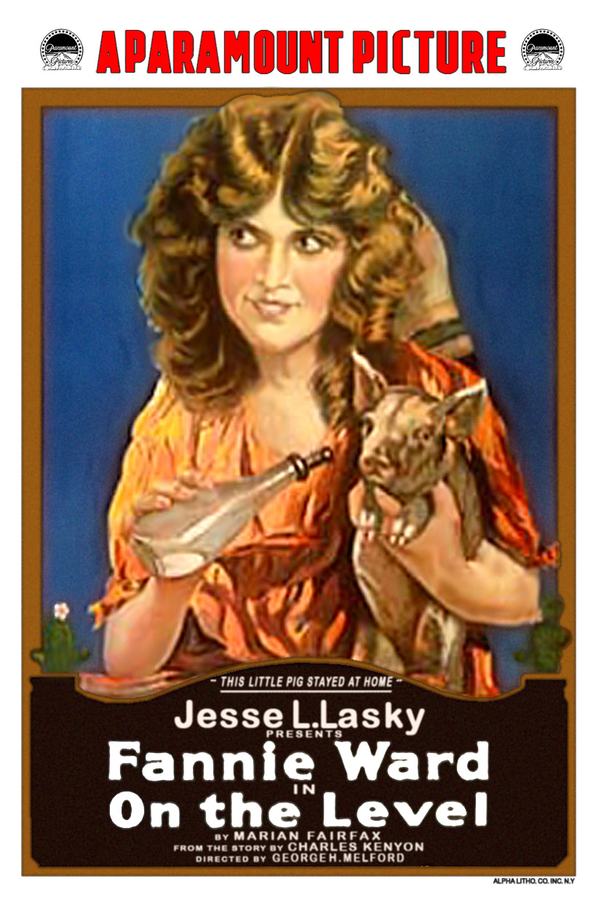
Director's Spotlight: United States
A Deep Dive into the 1917 Vision of George Melford
Witnessing the stylistic transformation of cult through On the Level reveals the global recognition that George Melford garnered after the release of On the Level. Serving as a mirror to the anxieties of a changing world, offering layers of thematic complexity that demand repeated viewing.
In On the Level, George Melford pushes the boundaries of conventional narrative. The film's unique approach to its subject matter has sparked endless debates and interpretations among cinephiles and critics alike.
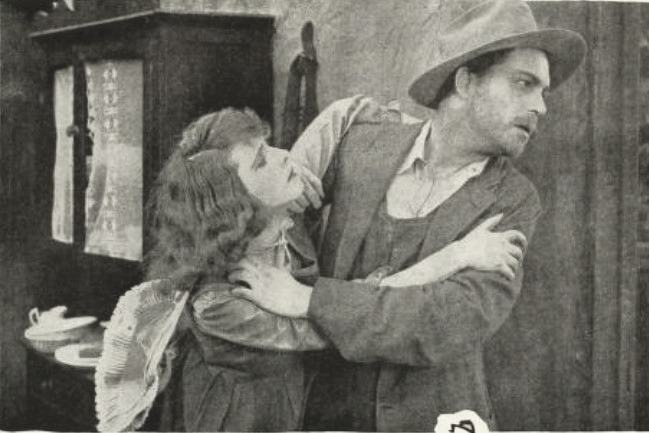
The visual language of On the Level is defined by its use of shadows and framing, a hallmark of George Melford's style. By utilizing a 1917-era palette, the film creates an immersive experience that perfectly complements its cult themes.
| Cinematography | Deep Focus |
| Soundtrack | Orchestral |
| Editing | Slow-Burn |
| Art Direction | Brutalist |
Visualizing the convergence of George Melford's style and the core cult narrative.
Merlin Warner, a sheep rancher's only child, enjoys riding and reading. Although poor, they are happy until rustler Pete Sontag kills her father in a raid and carries Merlin off. A few years later, Pete smuggles drugs under the cover of running a saloon, where Merlin, coerced by Pete's beatings, has become the dancer Mexicali Mae. When morphine addict Joe Blanchard appeals to Mae's love of books and music, she falls in love with him, and after Pete frames Joe for a murder that Pete committed, Mae hides Joe in a homestead in the hills. After many struggles, Joe is cured of his addiction and proposes to Mae out of gratitude. She accepts, but when his mother and fiancée Eleanor arrive and offer her money to leave, Mae does not take the money, but becomes convinced that she is not good enough for Joe and writes him that she is returning to the saloon. Joe follows but sees her apparently happy there. Mae returns to her shack and is about to shoot herself when Pete intervenes. Joe, who learned about his mother's plot, arrives and fights Pete. After the gun goes off killing Pete, Mae and Joe are reconciled and Mae forgives his mother.
Decades after its release, On the Level remains a vital piece of the cinematic puzzle. Its influence can be seen in countless modern works, solidifying George Melford's status as a master of the craft in United States and beyond.