
DbcultAccessing Vault...
Director's Spotlight
Senior Film Conservator
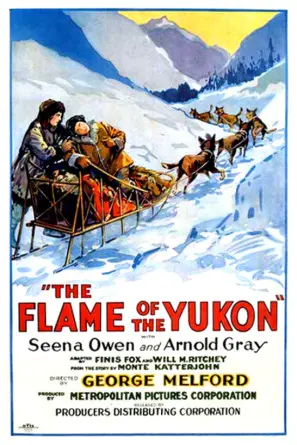
Director's Spotlight: United States
A Deep Dive into the 1926 Vision of George Melford
The thematic gravity of The Flame of the Yukon (1926) is rooted in the historical context that George Melford weaves into the Romance fabric. Synthesizing the best elements of United States and international cinema, it highlights the importance of independent voices in United States.
In The Flame of the Yukon, George Melford pushes the boundaries of conventional narrative. The film's unique approach to its subject matter has sparked endless debates and interpretations among cinephiles and critics alike.
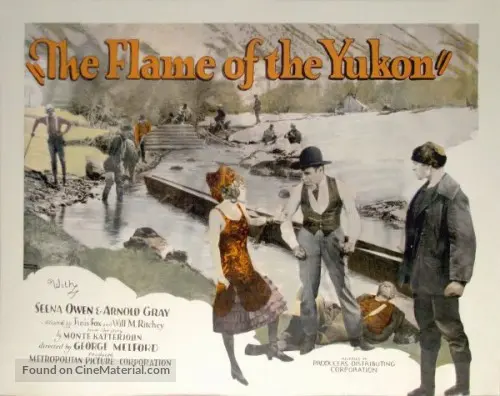
The visual language of The Flame of the Yukon is defined by its use of shadows and framing, a hallmark of George Melford's style. By utilizing a 1926-era palette, the film creates an immersive experience that perfectly complements its Romance themes.
| Cinematography | Noir-Inspired |
| Soundtrack | Minimalist |
| Editing | Slow-Burn |
| Art Direction | Brutalist |
Visualizing the convergence of George Melford's style and the core Romance narrative.
George Fowler, a young man from the states, arrives at the Mias saloon, and the proprietor, "Blak Jack" Hovey, orders a saloon girl, known only as "The Flame," to fleece him. When she learns he doesn't have any money she gets him a job at a café. News of a gold strike in the Ophir area comes, and George sets out, with a dog team supplied by Flame. Meanwhile a woman comes to town, says she is Mrs. Fowler and is looking for her husband.
Decades after its release, The Flame of the Yukon remains a vital piece of the cinematic puzzle. Its influence can be seen in countless modern works, solidifying George Melford's status as a master of the craft in United States and beyond.