
DbcultAccessing Vault...
Director's Spotlight
Senior Film Conservator
Director's Spotlight: United States
A Deep Dive into the 1915 Vision of George Melford
Witnessing the stylistic transformation of cult through The Puppet Crown reveals the global recognition that George Melford garnered after the release of The Puppet Crown. Serving as a mirror to the anxieties of a changing world, offering layers of thematic complexity that demand repeated viewing.
In The Puppet Crown, George Melford pushes the boundaries of conventional narrative. The film's unique approach to its subject matter has sparked endless debates and interpretations among cinephiles and critics alike.
| Cinematography | Deep Focus |
| Soundtrack | Experimental |
| Editing | Elliptical |
| Art Direction | Expressionist |
Visualizing the convergence of George Melford's style and the core cult narrative.
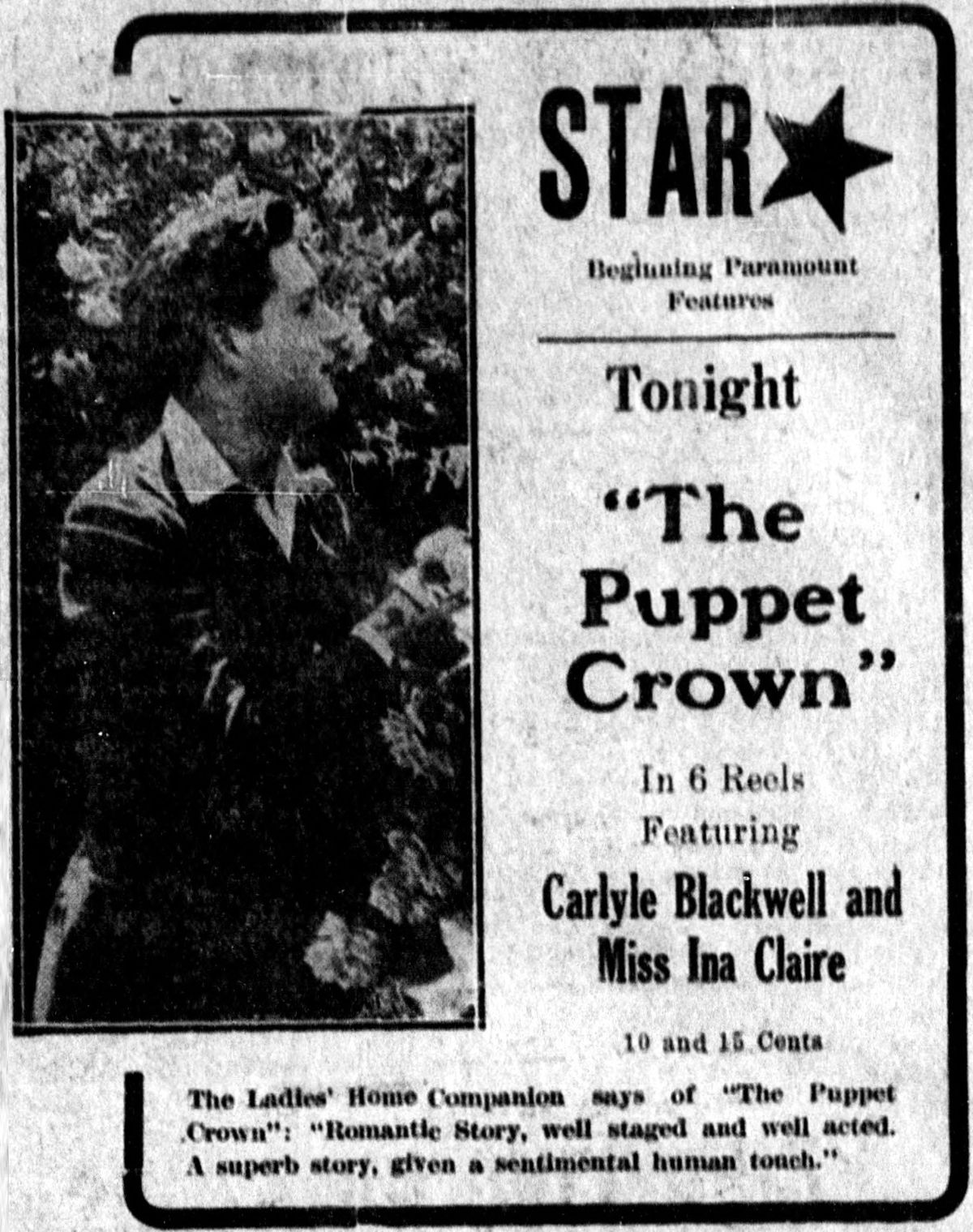
Ailing King Leopold sends his daughter Princess Alexia of Osia to a exclusive American girls' boarding school as a commoner, so that she can know the meaning of true freedom. When she meets young millionaire Bob Carewe, they fall in love, but Alexia is summoned home because of a conspiracy of the king's advisers threatening to replace him with the Duchess Sylvia. When Bob reads of Osia's financial difficulties, he goes to help with a loan, though he realizes she cannot marry him if she is ever to rule. When the king dies suddenly, it causes a rebellion among the people. Although Bob bravely fights against the conspirators and nobly helps a bleeding rival for Alexia's affections, the duchess is proclaimed queen. She orders Alexia's arrest, but Bob, using one of the conspirators as a shield, escapes with Alexia to the border, now they are happily free to marry.
Decades after its release, The Puppet Crown remains a vital piece of the cinematic puzzle. Its influence can be seen in countless modern works, solidifying George Melford's status as a master of the craft in United States and beyond.