
DbcultAccessing Vault...
Director's Spotlight
Senior Film Conservator
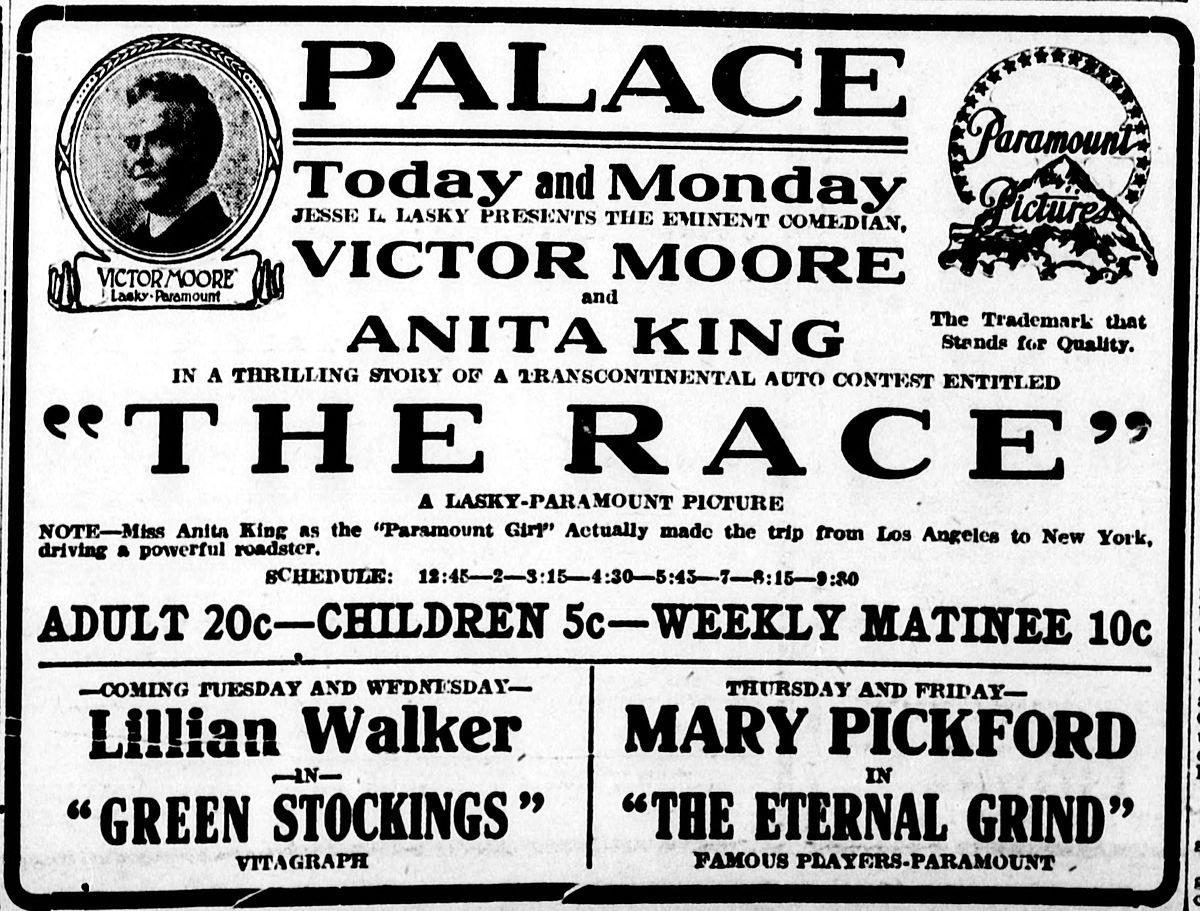
Director's Spotlight: United States
A Deep Dive into the 1916 Vision of George Melford
The artistic breakthrough represented by The Race in 1916 highlights the philosophical inquiries that George Melford embeds within the narrative. Framed by the hauntingly beautiful landscapes of the production, it leaves an indelible mark on the soul of the viewer.
In The Race, George Melford pushes the boundaries of conventional narrative. The film's unique approach to its subject matter has sparked endless debates and interpretations among cinephiles and critics alike.
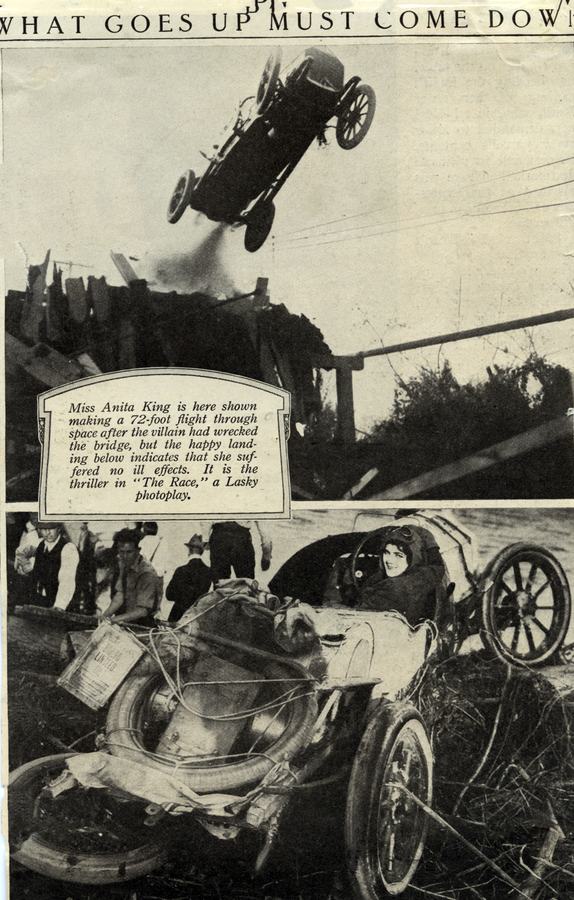
The visual language of The Race is defined by its use of shadows and framing, a hallmark of George Melford's style. By utilizing a 1916-era palette, the film creates an immersive experience that perfectly complements its cult themes.
| Cinematography | Static |
| Soundtrack | Diegetic |
| Editing | Rhythmic |
| Art Direction | Naturalist |
Visualizing the convergence of George Melford's style and the core cult narrative.
Fed up with his son's wild lifestyle, James Grayson, Sr. disinherits Jimmy and throws him out of the house. Through Grace Van Dyke, a chauffeur, Jimmy gets a job in a garage, and he and Grace's father Andrew invent a revolutionary automobile engine. It will take months to get the patent, however, and Jimmy must pay back a $10,000 debt almost immediately. To get the money, he enters a transcontinental car race which has a large cash prize, and which Grace also has entered. Just as Jimmy is about to win, however, he learns that Andrew is also deeply in debt. As a result, he lets Grace pass him and finish first, so she can get the money for her father. At the finish line, Jimmy is arrested for not paying his debts, but then, far ahead of schedule, the patent rights arrive for the engine, as well as a royalty check that more than covers what Jimmy owes.
Decades after its release, The Race remains a vital piece of the cinematic puzzle. Its influence can be seen in countless modern works, solidifying George Melford's status as a master of the craft in United States and beyond.