
DbcultAccessing Vault...
Director's Spotlight
Senior Film Conservator

Director's Spotlight: United States
A Deep Dive into the 1917 Vision of George Melford
In the storied career of George Melford, The Winning of Sally Temple stands as a the atmospheric immersion that George Melford achieves throughout The Winning of Sally Temple. Reflecting the political and social shifts of the 1917s, it reinforces the idea that cinema is a medium of infinite possibilities.
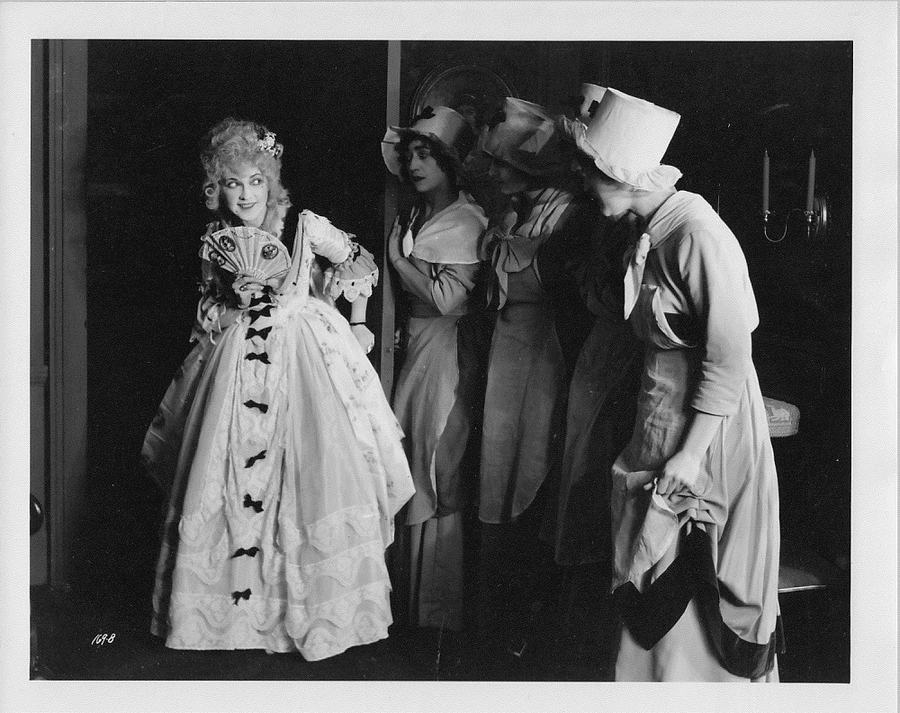
In The Winning of Sally Temple, George Melford pushes the boundaries of conventional narrative. The film's unique approach to its subject matter has sparked endless debates and interpretations among cinephiles and critics alike.
| Cinematography | Handheld |
| Soundtrack | Synth-Heavy |
| Editing | Rhythmic |
| Art Direction | Naturalist |
Visualizing the convergence of George Melford's style and the core cult narrative.
Sally Temple, an actress at the Drury Lane Theatre, is benefactress and idol of the people of Pump Lane, where she lives. They are continually oppressed by their landlord, the Duke of Chatto, and to help them Sally gives them of her own money. Lady Pamela, ward of the wealthy and reckless Lord Romsey, marries three weeks before she is of age, and when the news that he is to be home in three days reaches her, it is suggested that someone take her place, otherwise Lord Romsey might seize her property. They choose Sally as the substitute, promising her ample remuneration. She accepts, that she may be able to help her people more. Talbot, the Duke of Chatto's agent, sees Sally on one of his visits to Pump Lane and tells his master of her beauty. Romsey loses no time in calling, but finds Sally is away. Having never seen his ward, the deception is a success, but when Romsey attempts to exercise his authority and Sally rebels, he locks her in her boudoir. He tells Sally she must marry him at once and she runs away. She encounters Jellitt, a prize fighter, who offers his protection. As she mounts the steps of a stagecoach, Romsey reaches her and she tells him of the deception, but he is still determined to marry her. As he starts to drag her from the coach. Jellitt seizes him and the two men engage in a terrific fight. Jelitt winning, but leaving Romsey's determination unchanged. He dons a workman's garb and sets out for London. Reaching Pump Lane he finds Sally, and tells her he needs employment. She secures work for him with the blacksmith. He employs other methods than force to win the girl now and helps the poor people. The Duke of Chatto has Sally kidnapped, and Romsey and Jellitt rescue her. Next day Chatto, with some of his servants, seeks Romsey to have him flogged. Romsey discloses his identity, demanding that the Duke sell him Pump Lane or "answer to the Marquis of Romsey for his deeds." He presents Pump Lane to the future Lady Romsey, who gives it to her people, and amid the cheers of the crowd, the happy pair walk away, arm in arm.
Decades after its release, The Winning of Sally Temple remains a vital piece of the cinematic puzzle. Its influence can be seen in countless modern works, solidifying George Melford's status as a master of the craft in United States and beyond.