
DbcultAccessing Vault...
Director's Spotlight
Senior Film Conservator
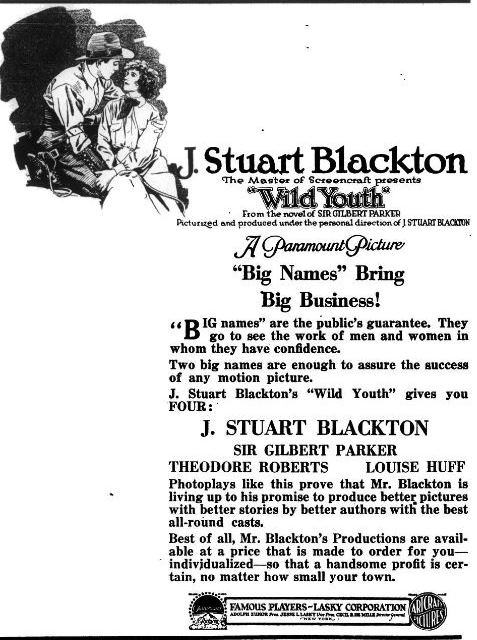
Director's Spotlight: United States
A Deep Dive into the 1918 Vision of George Melford
Deciphering the layers of Wild Youth (1918) reveals the complex thematic architecture established by George Melford. Utilizing a 1918-specific aesthetic that remains timeless, it stands as the definitive 1918 statement on cult identity.
In Wild Youth, George Melford pushes the boundaries of conventional narrative. The film's unique approach to its subject matter has sparked endless debates and interpretations among cinephiles and critics alike.
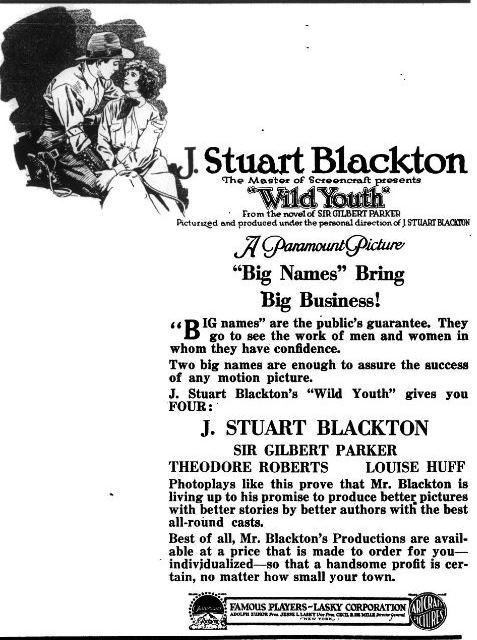
The visual language of Wild Youth is defined by its use of shadows and framing, a hallmark of George Melford's style. By utilizing a 1918-era palette, the film creates an immersive experience that perfectly complements its cult themes.
| Cinematography | High-Contrast |
| Soundtrack | Synth-Heavy |
| Editing | Disjunctive |
| Art Direction | Baroque |
Visualizing the convergence of George Melford's style and the core cult narrative.
Left penniless by her mother's death, pretty young Louise is forced to marry Joel Mazarine, a morose, miserly old man to whom she is in debt. Joel treats Louise cruelly, and she is miserable until she meets handsome young rancher Orlando Guise. When Orlando is compelled to stay at Joel's ranch to recuperate from a bullet wound, the old man angrily watches as the two young people fall helplessly in love. Later, Louise is injured while riding her pony in the woods, and when she fails to return home, Joel accuses Orlando of absconding with her. Orlando then finds Louise and takes her home, whereupon Joel beats her mercilessly. Louise's loyal servant, Li Choo, kills Joel, but Orlando is accused of the crime. Li Choo's confession, however, clears Orlando's name and leaves him free to marry Louise.
Decades after its release, Wild Youth remains a vital piece of the cinematic puzzle. Its influence can be seen in countless modern works, solidifying George Melford's status as a master of the craft in United States and beyond.