
DbcultAccessing Vault...
Director's Spotlight
Senior Film Conservator
Director's Spotlight: United States
A Deep Dive into the 1915 Vision of George Ridgwell
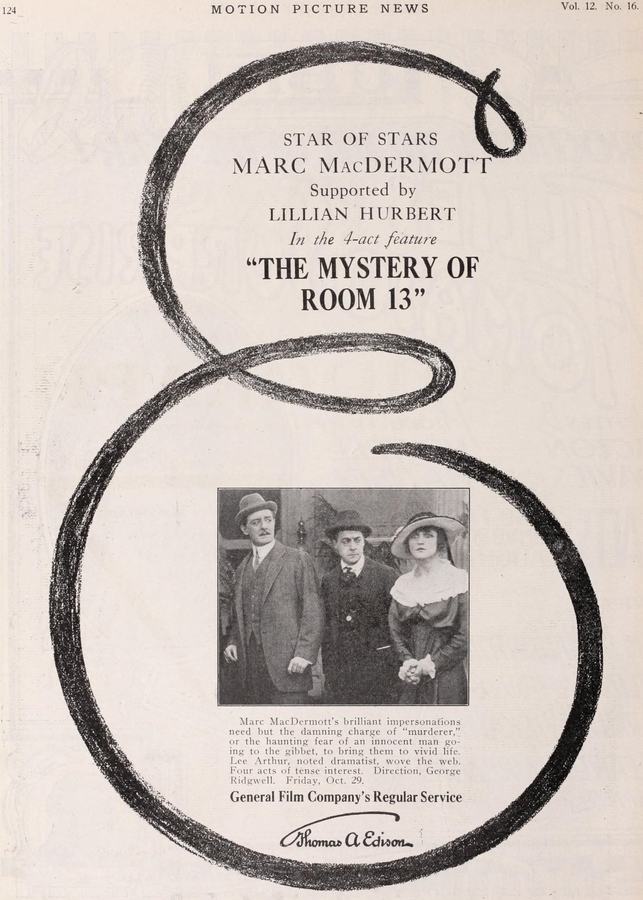
The cult DNA of The Mystery of Room 13 is a reflection of United States's the subversive storytelling techniques employed by George Ridgwell in 1915. Breaking the traditional rules of cult engagement, it leaves an indelible mark on the soul of the viewer.
In The Mystery of Room 13, George Ridgwell pushes the boundaries of conventional narrative. The film's unique approach to its subject matter has sparked endless debates and interpretations among cinephiles and critics alike.
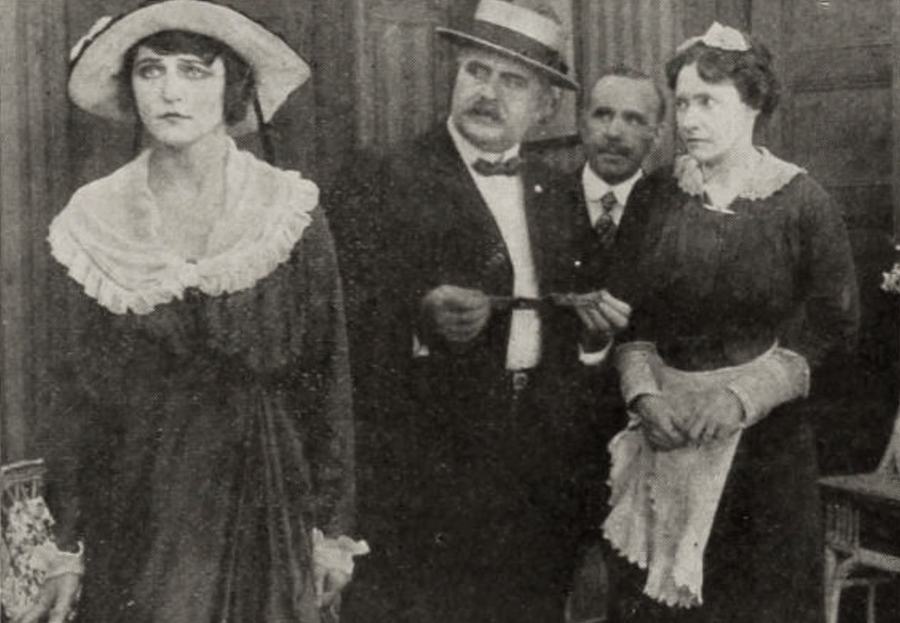
The visual language of The Mystery of Room 13 is defined by its use of shadows and framing, a hallmark of George Ridgwell's style. By utilizing a 1915-era palette, the film creates an immersive experience that perfectly complements its cult themes.
| Cinematography | Static |
| Soundtrack | Orchestral |
| Editing | Slow-Burn |
| Art Direction | Brutalist |
Visualizing the convergence of George Ridgwell's style and the core cult narrative.
Count Giuseppe Rizzo, pressed by his creditors, marries June Baxter, heiress to a large fortune, for her money. As the wedding party emerges from the church, Phillipa Garrie, once mistress to the Count, but now cast aside, attempts to stab him. Humiliated, and realizing a. side of the Count's nature unknown to her, June secludes herself in her home and orders him out of her sight. To avoid notoriety, she leaves town to take up her home near the site of the plant left her by her father. Together, with Clay Foster, superintendent of the plant, she devotes her time to the welfare of her workmen. By threats of creating public scandal, the Count blackmails June, compelling the payments of large sums of money. As their work at the plant draws them closer together, the seeds of love take root within the breast of Clay Foster and with them a deep hatred for the Count, who refuses to give June a divorce. After a while, however, hard pressed by his creditors, and a heavy loser at gambling, the Count agrees to grant her a divorce if June will make a settlement upon him. June, determined, leaves for New York, and registers at the Count's hotel. Unbeknown to June, Clay Foster follows her to protect her from harm. The Count's demands upon June are staggering and she refuses to comply with them. The Count is enraged and June saves herself only by her presence of mind. Clay Foster enters the scene, and threatens to kill the Count if he does June any bodily harm. Adventure and complication follow each other in quick succession. Thirteen, the number on the door of .the Count's room in the hotel, has begun to cast its spell about. That night, the Count is murdered. Suspicion falls upon Clay, and he is arrested for the murder. Yet, as the numerous complications begin to untangle themselves, we find that the Count was killed, not by June, because of her fear of him alive; not by Clay, because of his hatred for him; not by Phillipa, because he had blighted her life; nor by Antonio, her father, who had sworn to take vengeance, but by one with no personal ties, urged on merely by the sight of the Count's winnings that night, and cursed by the awful spell, unable to escape the talons of number thirteen.
Decades after its release, The Mystery of Room 13 remains a vital piece of the cinematic puzzle. Its influence can be seen in countless modern works, solidifying George Ridgwell's status as a master of the craft in United States and beyond.