Summary
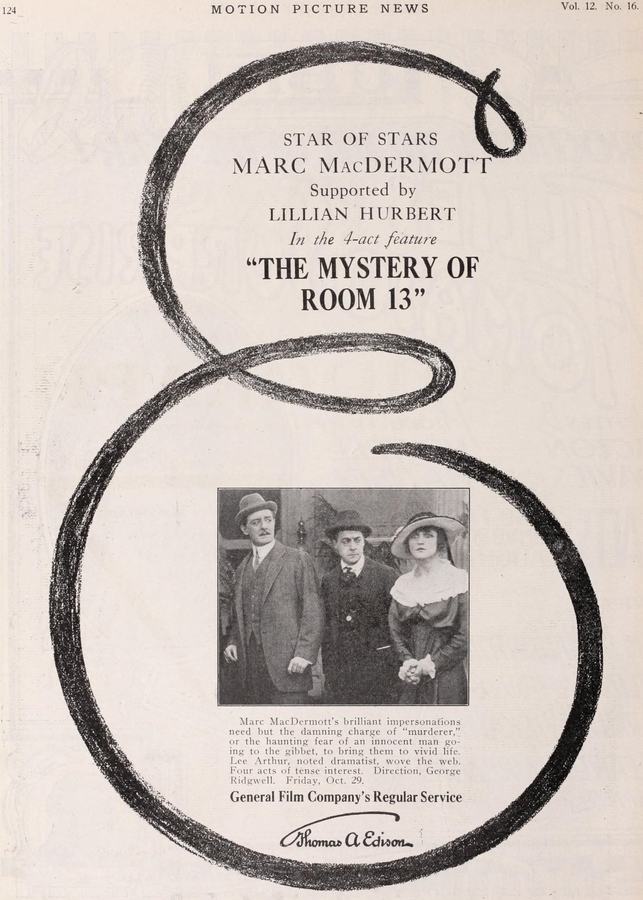
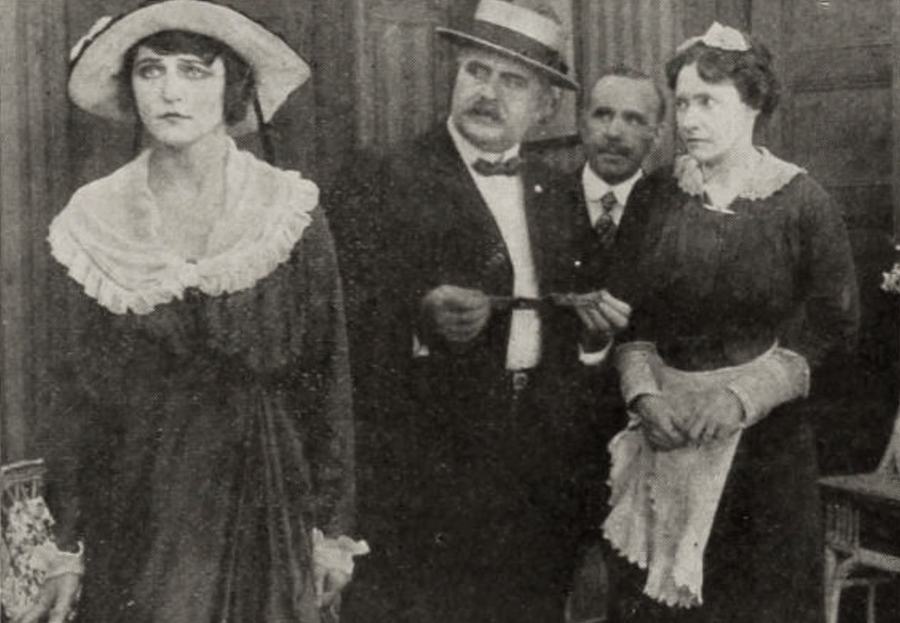
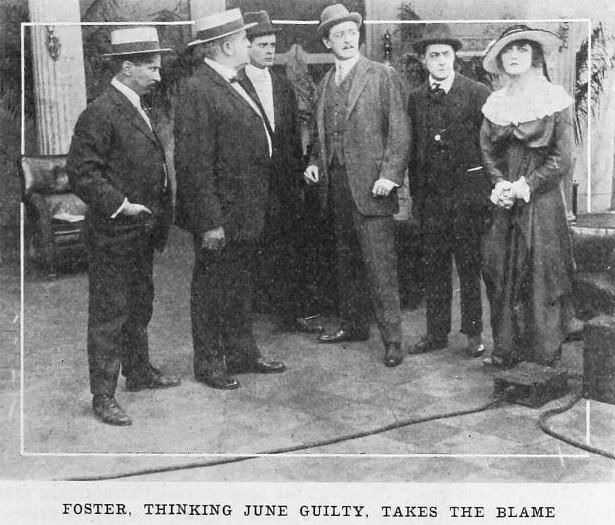
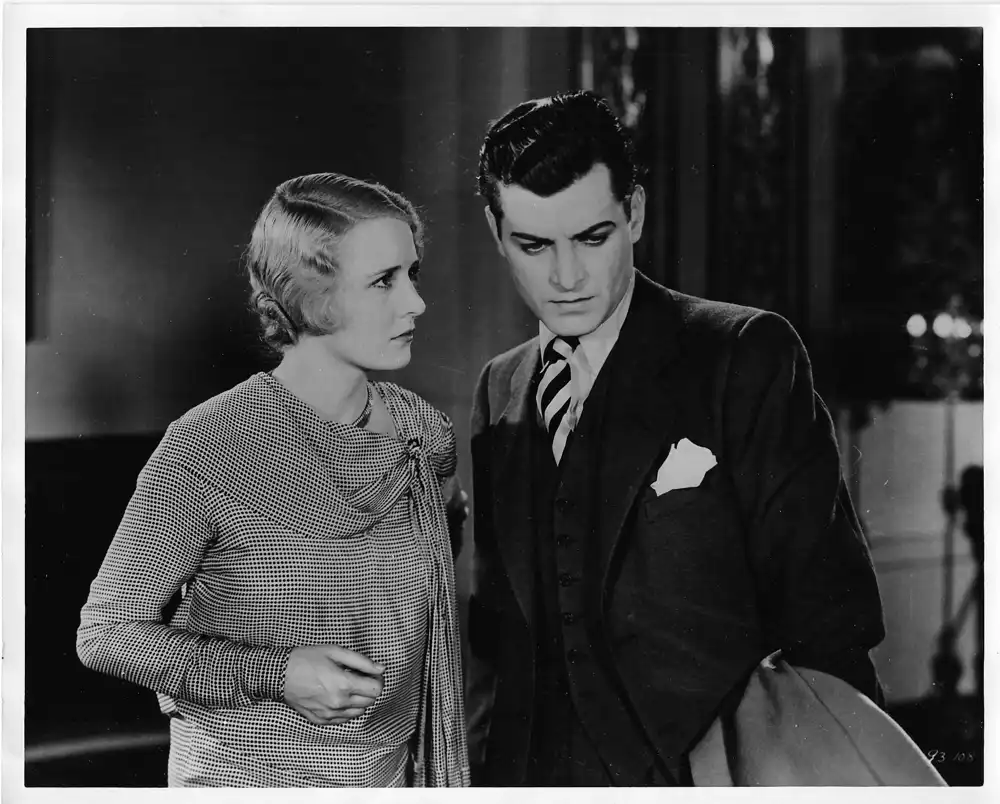
The camera watches, unblinking, as Count Giuseppe Rizzo—silk-gloved skeleton of a man—trades his tarnished title for June Baxter’s untouched fortune beneath the yawning nave of a limestone church. Outside, spurned Phillipa Garrie lunges through the confetti of rice and gossip, a silver blade catching the sun like a mirror to the Count’s own avarice. June, suddenly apprised that her bridegroom’s heart is a ledger of debts and deceits, retreats into the labyrinthine mansion she has never loved, then farther still to the soot-brick industrial town willed to her by a dead father’s handshake with coal. There she walks the catwalks above molten steel, haloed by sparks, while Clay Foster—plant superintendent, widower of circumstance—measures the gauge of her sorrow against the roar of ladles. Across an ocean of telegrams, the Count bleeds her coffers dry, brandishing the threat of lurid headlines. When creditors circle like carrion, he bargains his signature on divorce papers for a king’s ransom; June travels to New York, room 13 yawning like a mouth at the end of a corridor. Clay, shadow-wise, follows. Inside that cursed numeral the Count wheedles, bullies, demands until the air itself seems to curdle; by dawn he lies face-down in a lake of his own claret, a roulette chip frozen against his palm. The city’s bluecoats shuffle Clay in chains past flash-pan photographers, yet the film’s eye glides past the obvious suspects—June’s terror, Clay’s jealousy, Phillipa’s vengeance, Antonio’s Sicilian oath—settling instead on a drifter whose pupils reflect only the glint of stolen coins, a man hypnotized by the fatal integer whose outlines pulse like a heart on the frosted door.
Synopsis
Count Giuseppe Rizzo, pressed by his creditors, marries June Baxter, heiress to a large fortune, for her money. As the wedding party emerges from the church, Phillipa Garrie, once mistress to the Count, but now cast aside, attempts to stab him. Humiliated, and realizing a. side of the Count's nature unknown to her, June secludes herself in her home and orders him out of her sight. To avoid notoriety, she leaves town to take up her home near the site of the plant left her by her father. Together, with Clay Foster, superintendent of the plant, she devotes her time to the welfare of her workmen. By threats of creating public scandal, the Count blackmails June, compelling the payments of large sums of money. As their work at the plant draws them closer together, the seeds of love take root within the breast of Clay Foster and with them a deep hatred for the Count, who refuses to give June a divorce. After a while, however, hard pressed by his creditors, and a heavy loser at gambling, the Count agrees to grant her a divorce if June will make a settlement upon him. June, determined, leaves for New York, and registers at the Count's hotel. Unbeknown to June, Clay Foster follows her to protect her from harm. The Count's demands upon June are staggering and she refuses to comply with them. The Count is enraged and June saves herself only by her presence of mind. Clay Foster enters the scene, and threatens to kill the Count if he does June any bodily harm. Adventure and complication follow each other in quick succession. Thirteen, the number on the door of .the Count's room in the hotel, has begun to cast its spell about. That night, the Count is murdered. Suspicion falls upon Clay, and he is arrested for the murder. Yet, as the numerous complications begin to untangle themselves, we find that the Count was killed, not by June, because of her fear of him alive; not by Clay, because of his hatred for him; not by Phillipa, because he had blighted her life; nor by Antonio, her father, who had sworn to take vengeance, but by one with no personal ties, urged on merely by the sight of the Count's winnings that night, and cursed by the awful spell, unable to escape the talons of number thirteen.
Review Excerpt
"
p{margin:0 0 1.2em}em{color:#EAB308;font-style:normal;font-weight:bold}a{color:#0E7490;text-decoration:none;border-bottom:1px solid #0E7490}a:hover{color:#C2410C;border-color:#C2410C}blockquote{margin:2.5em 0;padding:1em 2em;border-left:4px solid #C2410C;font-style:italic;background:#111}h2,h3{color:#EAB308;margin:2em 0 .6em;letter-spacing:.5px}ul{list-style:square inside;margin:1em 0 2em}li{margin:.4em 0}
If celluloid could bruise, The Mystery of Room 13 would bloom purple and ochre beneath t..."