
DbcultAccessing Vault...
Director's Spotlight
Senior Film Conservator
Director's Spotlight: United States
A Deep Dive into the 1919 Vision of George Siegmann
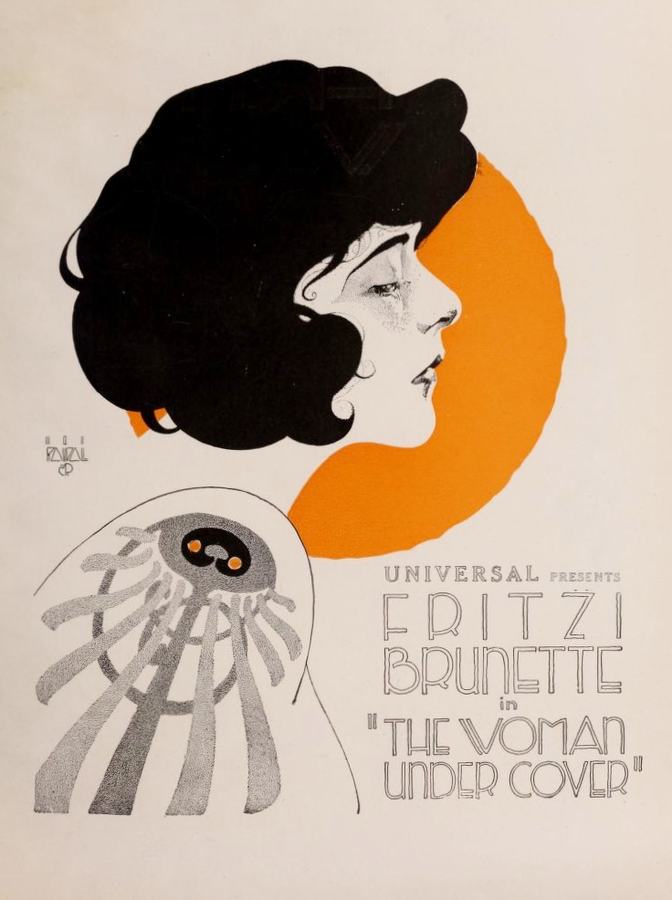
The brilliance of The Woman Under Cover (1919) is inseparable from a monumental shift in cult filmmaking spearheaded by George Siegmann. Occupying a unique space between cult and pure art, it serves as a blueprint for future generations of cult directors.
In The Woman Under Cover, George Siegmann pushes the boundaries of conventional narrative. The film's unique approach to its subject matter has sparked endless debates and interpretations among cinephiles and critics alike.
The visual language of The Woman Under Cover is defined by its use of shadows and framing, a hallmark of George Siegmann's style. By utilizing a 1919-era palette, the film creates an immersive experience that perfectly complements its cult themes.
| Cinematography | Deep Focus |
| Soundtrack | Orchestral |
| Editing | Slow-Burn |
| Art Direction | Brutalist |
Visualizing the convergence of George Siegmann's style and the core cult narrative.
When the popular Broadway star Jack Rollins tells his wife, dancer Yvonne Leclaire, that he is tired of her, their backstage quarrel ends when she shoots him dead. Because Billy Jordan, a dissolute "chorus man," sees Yvonne hide the gun, she desperately agrees to marry him if he will keep quiet. Billy's sister Alma, a "sob sister" reporter who loves her editor "Mac," has resisted Mac's proposals because she promised her dying mother she would look after Billy. Without telling Alma, Billy relates his story to the newspaper because Yvonne is encouraging a wealthy new suitor. Because the newspaper owner threatens to fire the entire staff unless they get a major scoop, Mac sends Alma to investigate the story. Although Alma extracts a confession from Yvonne, who goes mad, she experiences a dilemma when she learns of Billy's involvement. She resolves the situation by giving the story to Mac and leaving the paper to marry him, as they together vow to help Billy.
Decades after its release, The Woman Under Cover remains a vital piece of the cinematic puzzle. Its influence can be seen in countless modern works, solidifying George Siegmann's status as a master of the craft in United States and beyond.