
DbcultAccessing Vault...
Director's Spotlight
Senior Film Conservator
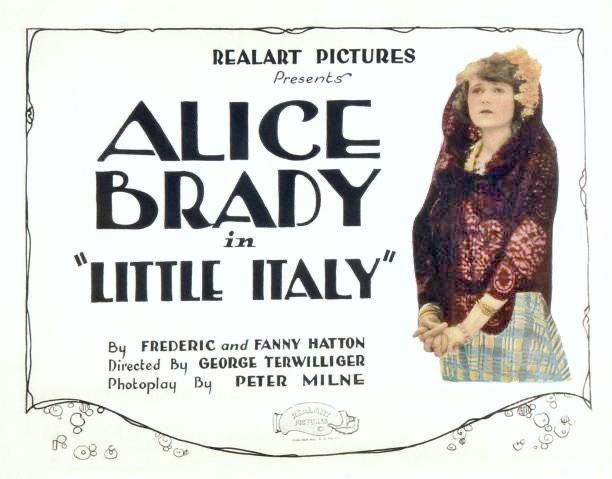
Director's Spotlight: United States
A Deep Dive into the 1921 Vision of George Terwilliger
The artistic breakthrough represented by Little Italy in 1921 highlights the philosophical inquiries that George Terwilliger embeds within the narrative. Framed by the hauntingly beautiful landscapes of the production, it leaves an indelible mark on the soul of the viewer.
In Little Italy, George Terwilliger pushes the boundaries of conventional narrative. The film's unique approach to its subject matter has sparked endless debates and interpretations among cinephiles and critics alike.
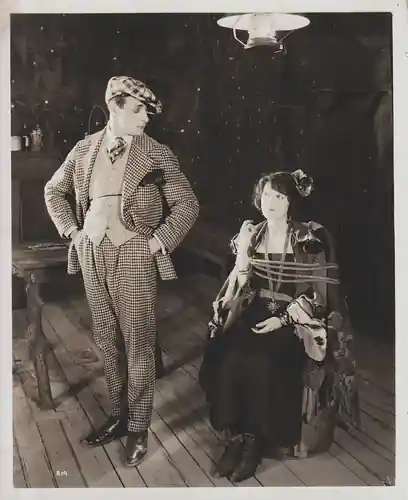
In this work, George Terwilliger explores the intersection of Comedy and United States cultural identity. The meticulous attention to detail suggests a deep-seated commitment to pushing the boundaries of the medium, ensuring that Little Italy remains a relevant topic of study for Comedy enthusiasts.
| Cinematography | Static |
| Soundtrack | Diegetic |
| Editing | Rhythmic |
| Art Direction | Naturalist |
Visualizing the convergence of George Terwilliger's style and the core Comedy narrative.
Rosa (Alice Brady)is told by her father that she must marry a man from her own clan. She refuses, and vows to marry the first man she meets. That man is Antonio (Norman Kerry), who is from a hated clan. Antonio is in love with Rosa, although she hates him. Despite this, she keeps her vow and marries him.
Decades after its release, Little Italy remains a vital piece of the cinematic puzzle. Its influence can be seen in countless modern works, solidifying George Terwilliger's status as a master of the craft in United States and beyond.