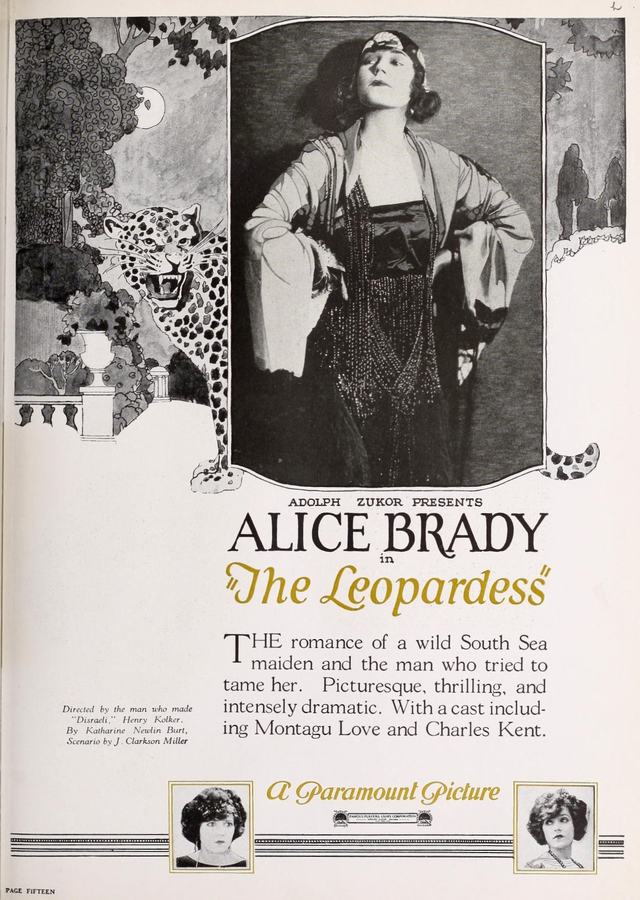
Rosa (Alice Brady)is told by her father that she must marry a man from her own clan. She refuses, and vows to marry the first man she meets.

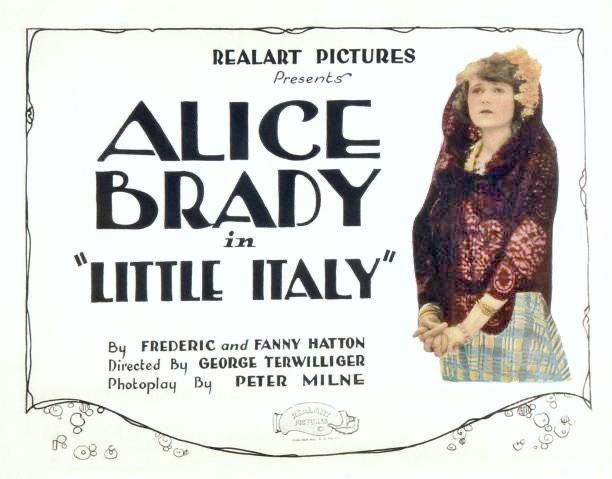
A Clash of Clans and Conscience in 'Little Italy' 'Little Italy' (1934), a film steeped in the rich soil of cultural conflict and personal rebellion, unfolds as a visceral exploration of tradition’s grip and the individual’s capacity to defy it. Alice Brady, in one of her most electrifying roles, embodies Rosa, a ...
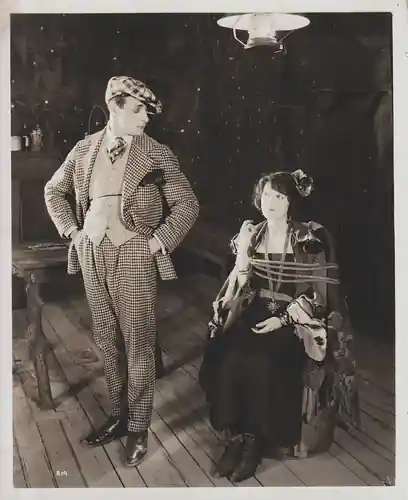
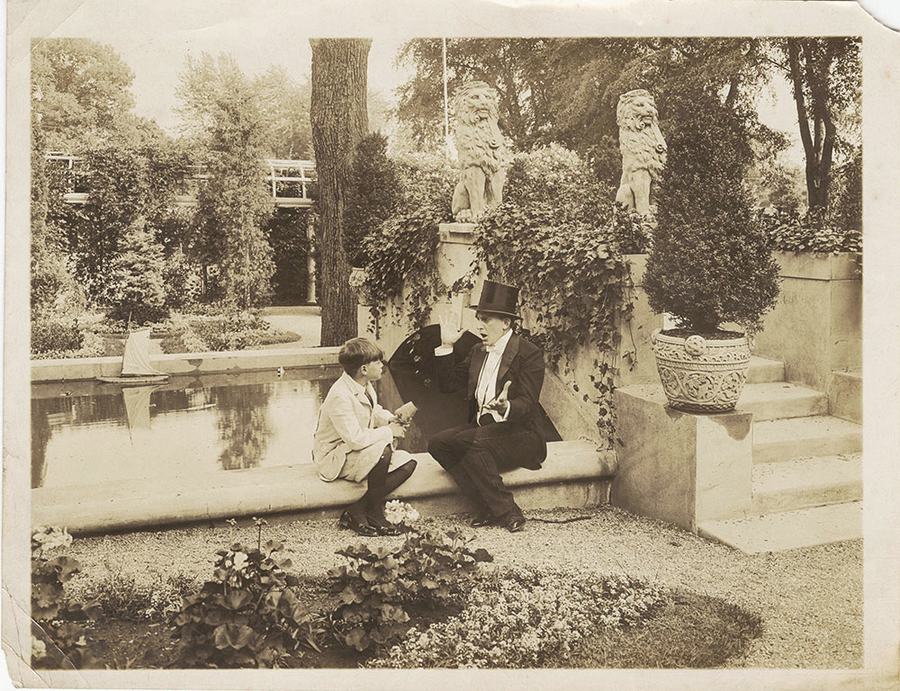
still_frame
Comparing the cinematic DNA and archive impact of two defining moments in cult history.
George Terwilliger
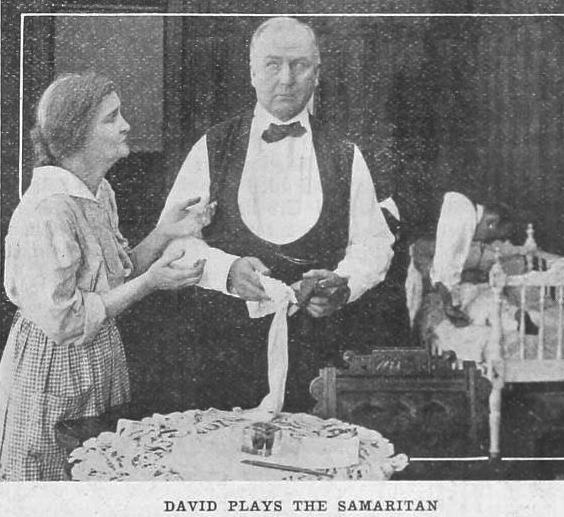
George Terwilliger
Community
Log in to comment.
" A Clash of Clans and Conscience in 'Little Italy' 'Little Italy' (1934), a film steeped in the rich soil of cultural conflict and personal rebellion, unfolds as a visceral exploration of tradition’s grip and the individual’s capacity to defy it. Alice Brady, in one of her most electrifying roles, embodies Rosa, a woman whose refusal to conform to her father’s decree sets in motion a chain of events that tests the boundaries of love, loyalty, and self-determination. The film, directed with a..."
Peter Milne, Fanny Hatton, Tom McNamara, Frederic Hatton
United States
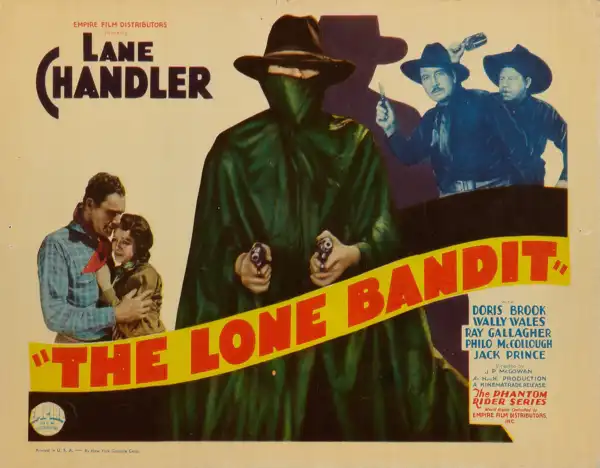
Deep dive into the cult classic
Discover similar cinematic experiences
A Directorial Spotlight on George Terwilliger