
DbcultAccessing Vault...
Director's Spotlight
Senior Film Conservator
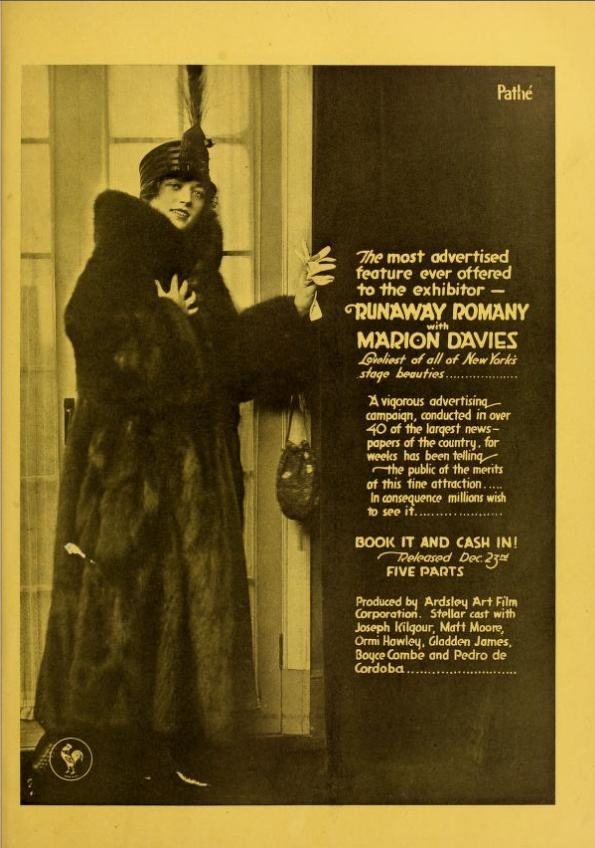
Director's Spotlight: United States
A Deep Dive into the 1917 Vision of George W. Lederer
As we revisit the 1917 masterpiece Runaway Romany, we are struck by the meticulous attention to detail that George W. Lederer applied to every frame. Anchored by a narrative that is both personal and universal, it bridges the gap between traditional cult and contemporary vision.
In Runaway Romany, George W. Lederer pushes the boundaries of conventional narrative. The film's unique approach to its subject matter has sparked endless debates and interpretations among cinephiles and critics alike.
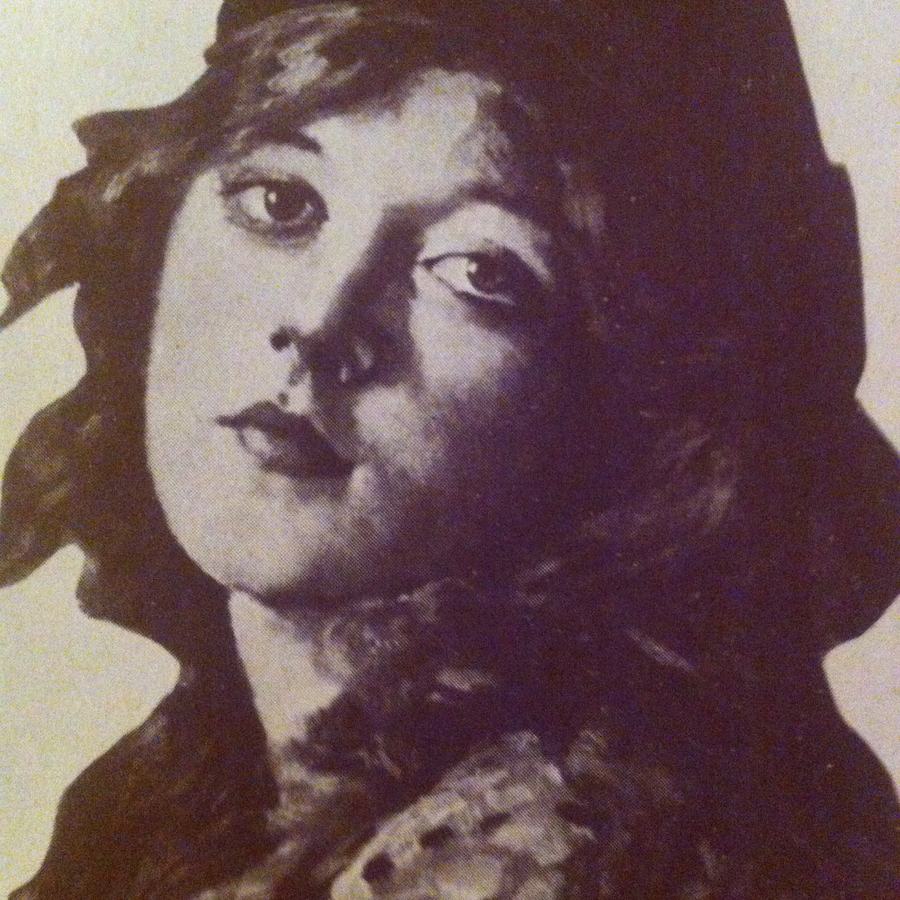
To fully appreciate Runaway Romany, one must consider the cinematic climate of 1917. During this period, United States was undergoing significant artistic shifts, and George W. Lederer was at the forefront of this cult movement, often challenging established norms.
| Cinematography | High-Contrast |
| Soundtrack | Synth-Heavy |
| Editing | Disjunctive |
| Art Direction | Baroque |
Visualizing the convergence of George W. Lederer's style and the core cult narrative.
"Inky" Ames, theatrical press agent, through a fictitious story makes it appear that Anitra St. Clair, an actress, is the long lost daughter of Theodore True, the copper king. True accepts the actress as his daughter, and they, in answer to a telegram from Bud Haskel, representative in the west, decide to go westward immediately to inspect a newly-discovered copper mine. Bud Haskel is, incidentally, volunteer "school master" to the flower of a gypsy camp, Romany. The girl is loved by Zinga, son of the gypsy chief. Upon her father's threat to wed her to Zinga, Romany seeks the help of Bud, who aids her to escape. Zinga suspects Bud of conniving at Romany's escape and follows him constantly. Irking under the restraints of her new life, Anitra decides to give her former gayeties a whirl and finds in True's nephew Hobart, a willing assistant. She incurs the enmity of "Inky," who resolves to put True wise to the fact that the actress is not really his daughter. Romany, with the broader knowledge of life imparted to her by books, turns to her new world with keen expectancy, and is glad to receive Bud again at her first party. That same evening Romany discovers Hobart at his uncle's safe, but does not discover the fact that Hobart has extracted money from the strong box. Determined to make True see that he is being imposed upon by Anitra, "Inky" seeks out Bud Haskel, telling Bud that the actress is not True's daughter, and that he ("Inky") has cooked up a press stunt to advertise the show she was in. Zinga's persistent shadowing of Bud to uncover Romany's whereabouts succeeds at last. One development is that Romany writes a letter to True stating that she has been grateful to True and Haskel for their kindness, but that she must leave the True home; that she is broken hearted. Romany is then suspected of taking the money from True's safe, but after Anitra's deception is exposed to True, Hobart confesses to his uncle that he (Hobart) is the guilty one. Bud discovers Romany's whereabouts and persuades her to return to True's mansion. Bud also secures Zinga's release from prison, where he has been confined upon Zinga's assurance that he has a revelation to make to Mr. True. The gypsy tells True that Romany is really True's daughter; that when the girl grew up Zinga wanted her for himself. That the gypsies named her Romany. True is happy in the recovery of his daughter, and Bud and Romany plight their troth.
Decades after its release, Runaway Romany remains a vital piece of the cinematic puzzle. Its influence can be seen in countless modern works, solidifying George W. Lederer's status as a master of the craft in United States and beyond.