
DbcultAccessing Vault...
Director's Spotlight
Senior Film Conservator
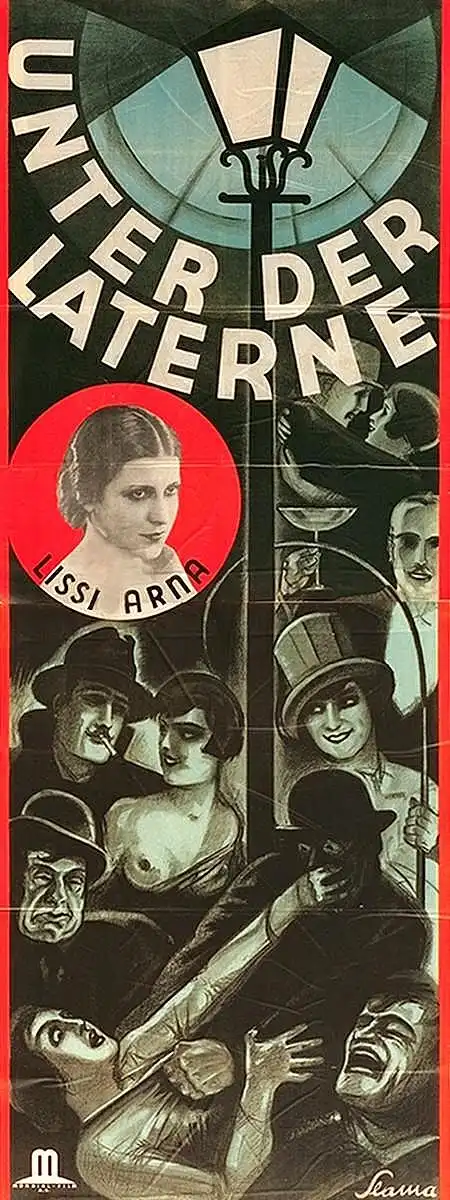
Director's Spotlight: Germany
A Deep Dive into the 1928 Vision of Gerhard Lamprecht
The 1928 release of Unter der Laterne marked a significant moment for the stylistic boundaries pushed by Gerhard Lamprecht during the production. In the context of Germany's rich cinematic history, it invites us to question our own perceptions of Drama narratives.
In Unter der Laterne, Gerhard Lamprecht pushes the boundaries of conventional narrative. The film's unique approach to its subject matter has sparked endless debates and interpretations among cinephiles and critics alike.
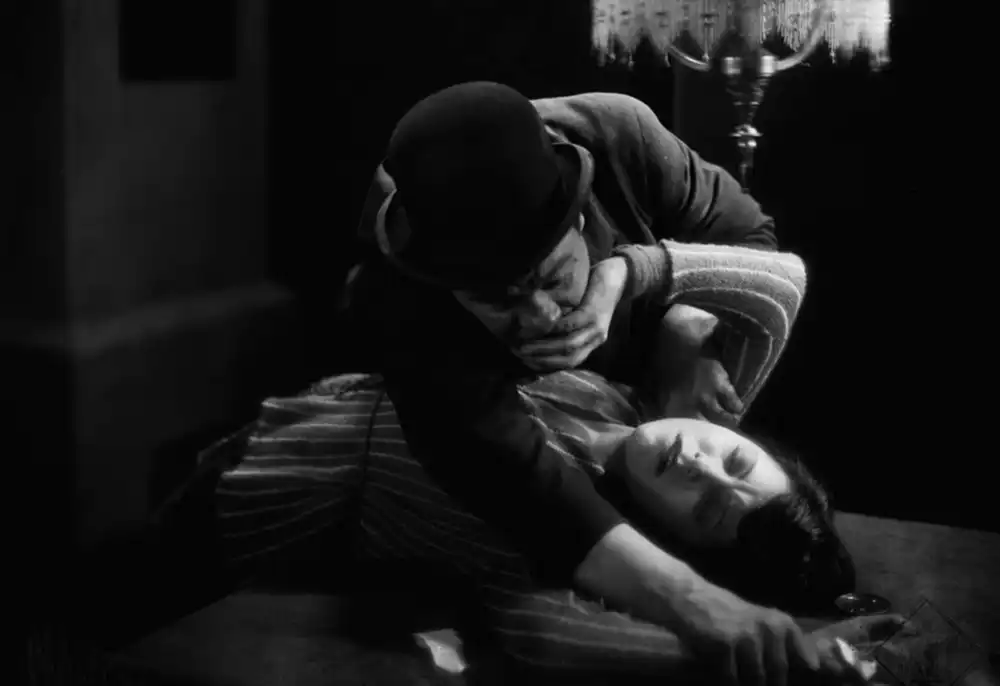
The visual language of Unter der Laterne is defined by its use of shadows and framing, a hallmark of Gerhard Lamprecht's style. By utilizing a 1928-era palette, the film creates an immersive experience that perfectly complements its Drama themes.
| Cinematography | Static |
| Soundtrack | Minimalist |
| Editing | Slow-Burn |
| Art Direction | Brutalist |
Visualizing the convergence of Gerhard Lamprecht's style and the core Drama narrative.
Else locked out by her authoritarian father, seeks refuge with her boyfriend Hans. Complications threaten when Hans's roommate Max falls in love with her, but the situation is resolved: the three remain friends, and decide to form a music hall act.
Decades after its release, Unter der Laterne remains a vital piece of the cinematic puzzle. Its influence can be seen in countless modern works, solidifying Gerhard Lamprecht's status as a master of the craft in Germany and beyond.