
DbcultAccessing Vault...
Director's Spotlight
Senior Film Conservator
Director's Spotlight: United States
A Deep Dive into the 1919 Vision of Gilbert Pratt
The artistic breakthrough represented by Flips and Flops in 1919 highlights the philosophical inquiries that Gilbert Pratt embeds within the narrative. Framed by the hauntingly beautiful landscapes of the production, it leaves an indelible mark on the soul of the viewer.
In Flips and Flops, Gilbert Pratt pushes the boundaries of conventional narrative. The film's unique approach to its subject matter has sparked endless debates and interpretations among cinephiles and critics alike.
The visual language of Flips and Flops is defined by its use of shadows and framing, a hallmark of Gilbert Pratt's style. By utilizing a 1919-era palette, the film creates an immersive experience that perfectly complements its cult themes.
| Cinematography | Deep Focus |
| Soundtrack | Synth-Heavy |
| Editing | Rhythmic |
| Art Direction | Naturalist |
Visualizing the convergence of Gilbert Pratt's style and the core cult narrative.
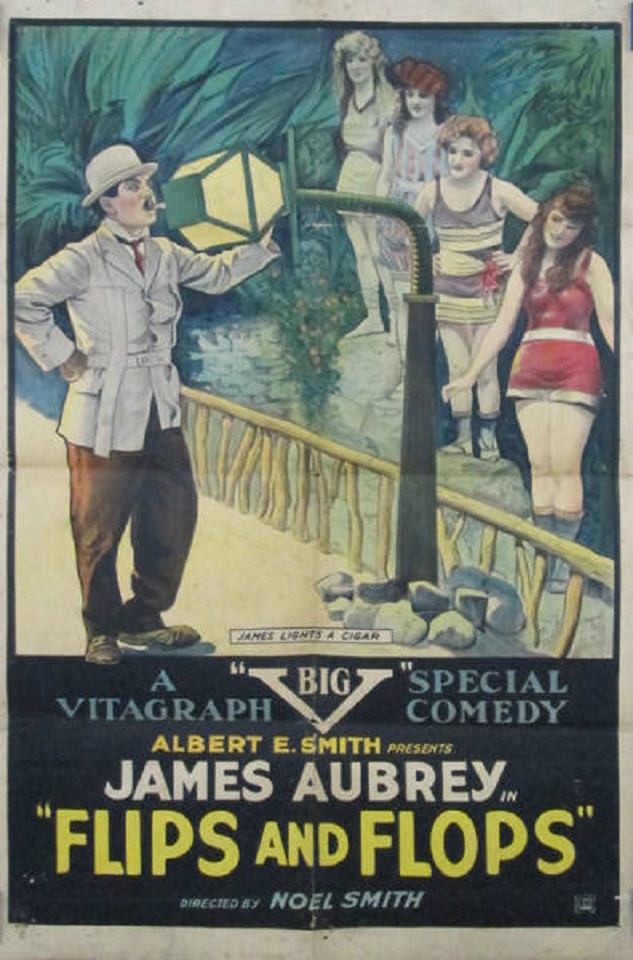
Jimmy is compelled to retreat when he tries to flirt without a license. He annoys the park policeman who chases him, He comes upon Stella Flip, seeking her run-a-way dog, He helps her hunt for the dog, finally resting on a bench, Jimmy is surprised suddenly by the dog jumping upon the bench with friendliness to him. He falls asleep on the bench and dreams the following. Mr. Jipper, more of a robber than the usual hotel proprietor, is caught in a safety first trap, when he tries to pick Willie Hold's pocket, and Willie, who is a salesman for the Safety First Trans tries to sell him a trap, Jimmy arrives with the dog, meets Stella and returns the dog to her. He is trying to make a hit with Stella, when the proprietor interferes, and has him kicked out, Jimmy, nothing daunted, finds his way back, as a bell hop. After causing considerable trouble, he finally lands in the crook's den, and the proprietor, who is also the leader of the gang, makes him a member of it. During the course of his operations as one of the gang, Jimmy is forced to operate on an audience in the hotel room, which was borrowed to display some of the latest creations and shapes. Caught in the act by the policeman, Jimmy makes his escape, seeking safety behind the curtains of the stage. When the curtain goes up he has assumed the disguise of a nifty bathing suit - and again as Madame Peekaboo, when the cop and proprietor discover him. There is a wild chase, Jimmy finally wakes up, the policeman rapping him with his club, and finds the dog next to him. He grabs up the dog, and runs with it, as the policeman looks after him, scratching his head in perplexity.
Decades after its release, Flips and Flops remains a vital piece of the cinematic puzzle. Its influence can be seen in countless modern works, solidifying Gilbert Pratt's status as a master of the craft in United States and beyond.