
DbcultAccessing Vault...
Director's Spotlight
Senior Film Conservator
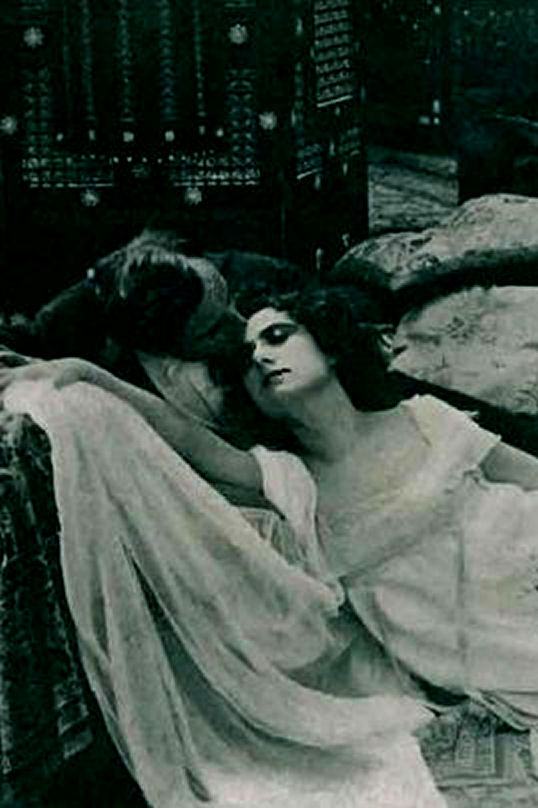
Director's Spotlight: Italy
A Deep Dive into the 1916 Vision of Giuseppe de Liguoro
The brilliance of Fedora (1916) is inseparable from the visionary mind of its creator, Giuseppe de Liguoro. Serving as a mirror to the anxieties of a changing world, it persists as a haunting reminder of our own cinematic history.
In Fedora, Giuseppe de Liguoro pushes the boundaries of conventional narrative. The film's unique approach to its subject matter has sparked endless debates and interpretations among cinephiles and critics alike.
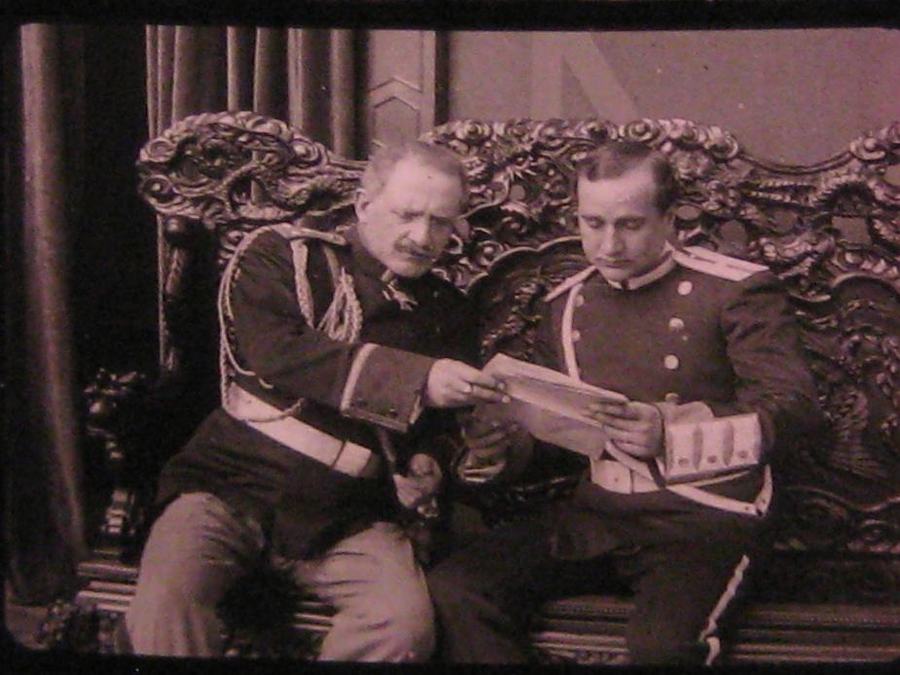
In this work, Giuseppe de Liguoro explores the intersection of cult and Italy cultural identity. The meticulous attention to detail suggests a deep-seated commitment to pushing the boundaries of the medium, ensuring that Fedora remains a relevant topic of study for cult enthusiasts.
| Cinematography | Handheld |
| Soundtrack | Orchestral |
| Editing | Slow-Burn |
| Art Direction | Brutalist |
Visualizing the convergence of Giuseppe de Liguoro's style and the core cult narrative.
The story of Russian Princess Fedora (Francesca Bertini), in Czarist times, whose royal lover is assassinated on the eve of their marriage. She pledges vengeance, only to become the victim of her vow when she falls in love again.
Decades after its release, Fedora remains a vital piece of the cinematic puzzle. Its influence can be seen in countless modern works, solidifying Giuseppe de Liguoro's status as a master of the craft in Italy and beyond.