
DbcultAccessing Vault...
Director's Spotlight
Senior Film Conservator
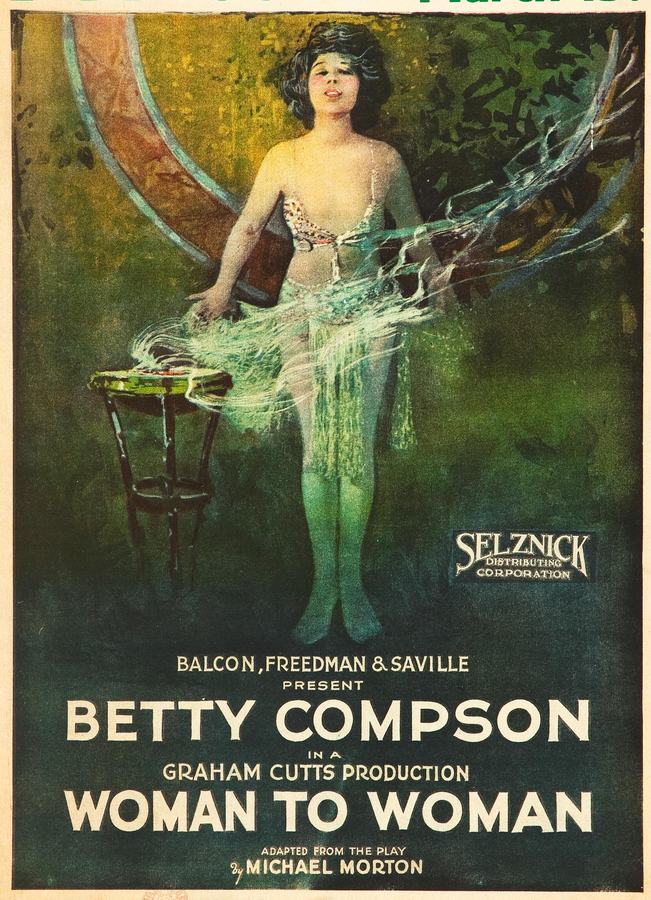
Director's Spotlight: United Kingdom
A Deep Dive into the 1923 Vision of Graham Cutts
Few works in United Kingdom cinema carry the same weight as Woman to Woman, especially regarding the cultural zeitgeist captured so perfectly by Graham Cutts in 1923. Utilizing a 1923-specific aesthetic that remains timeless, it serves as a blueprint for future generations of Romance directors.
In Woman to Woman, Graham Cutts pushes the boundaries of conventional narrative. The film's unique approach to its subject matter has sparked endless debates and interpretations among cinephiles and critics alike.
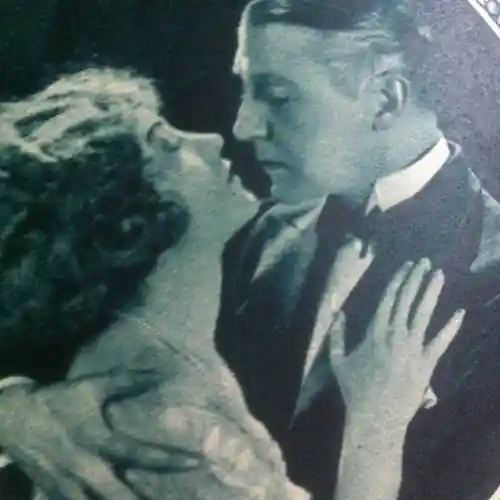
The visual language of Woman to Woman is defined by its use of shadows and framing, a hallmark of Graham Cutts's style. By utilizing a 1923-era palette, the film creates an immersive experience that perfectly complements its Romance themes.
| Cinematography | High-Contrast |
| Soundtrack | Diegetic |
| Editing | Elliptical |
| Art Direction | Expressionist |
Visualizing the convergence of Graham Cutts's style and the core Romance narrative.
David Compton leaves his expectant French girlfriend Louise Boucher, a dancer at the Moulin Rouge, for the war where he loses his memory. Building a new life from scratch after the war, he gets married in London. Louise, now a mother, thinks him dead. She becomes a famous dancer under the name Deloryse but falls gravely ill. One night, as David is in the audience of her show, he recovers his memory. After she learns that David is married to another woman, Louise puts her son in the care of David's new wife and, accepting a dancing job at a party, she dies there of exhaustion and sorrow.
Decades after its release, Woman to Woman remains a vital piece of the cinematic puzzle. Its influence can be seen in countless modern works, solidifying Graham Cutts's status as a master of the craft in United Kingdom and beyond.