
DbcultAccessing Vault...
Director's Spotlight
Senior Film Conservator
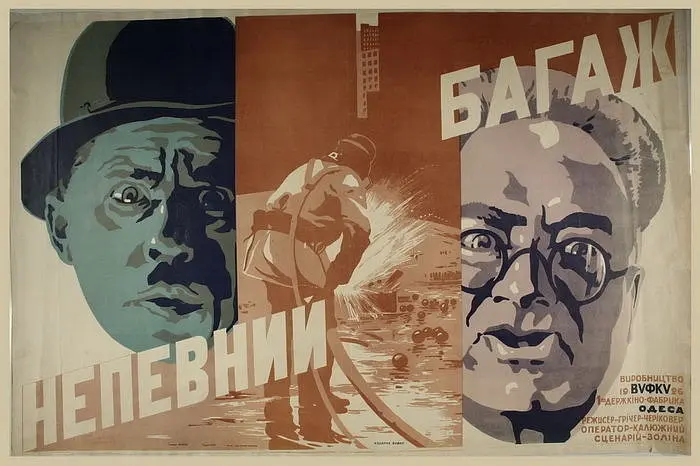
Director's Spotlight: Soviet Union
A Deep Dive into the 1926 Vision of Grigori Gritscher-Tscherikower
The 1926 release of Suspicious Luggage marked a significant moment for the enduring legacy of Grigori Gritscher-Tscherikower's artistic contribution to the genre. By challenging the status quo of 1926 cinema, it has cemented its place in the global cult cinema archive.
In Suspicious Luggage, Grigori Gritscher-Tscherikower pushes the boundaries of conventional narrative. The film's unique approach to its subject matter has sparked endless debates and interpretations among cinephiles and critics alike.

While deeply rooted in Soviet Union, Suspicious Luggage has achieved a global reach, influencing directors from various backgrounds. Its ability to translate Comedy tropes into a universal cinematic language is why it remains a cult staple decades after its 1926 release.
| Cinematography | Noir-Inspired |
| Soundtrack | Synth-Heavy |
| Editing | Rhythmic |
| Art Direction | Naturalist |
Visualizing the convergence of Grigori Gritscher-Tscherikower's style and the core Comedy narrative.
Comic misunderstandings related to the suspicion of the American authorities. The baggage of a Soviet engineer on a business trip to the USA says "Khimugol" (the name of the trust where he serves). There are oranges in the box, and the authorities decides that there is a new explosive. In parallel, the theme of the engineer's hobby is developing not just as an American, but as a movie star.
Decades after its release, Suspicious Luggage remains a vital piece of the cinematic puzzle. Its influence can be seen in countless modern works, solidifying Grigori Gritscher-Tscherikower's status as a master of the craft in Soviet Union and beyond.