
DbcultAccessing Vault...
Director's Spotlight
Senior Film Conservator
Director's Spotlight: United States
A Deep Dive into the 1926 Vision of Gus Meins
When we examine the cinematic landscape of United States, Buster Helps Dad emerges as a landmark work of the enduring legacy of Gus Meins's artistic contribution to the genre. Through a lens of existential fatalism and Short tropes, it captures a specific kind of cinematic magic that is rarely replicated.
In Buster Helps Dad, Gus Meins pushes the boundaries of conventional narrative. The film's unique approach to its subject matter has sparked endless debates and interpretations among cinephiles and critics alike.
| Cinematography | Handheld |
| Soundtrack | Minimalist |
| Editing | Disjunctive |
| Art Direction | Baroque |
Visualizing the convergence of Gus Meins's style and the core Short narrative.
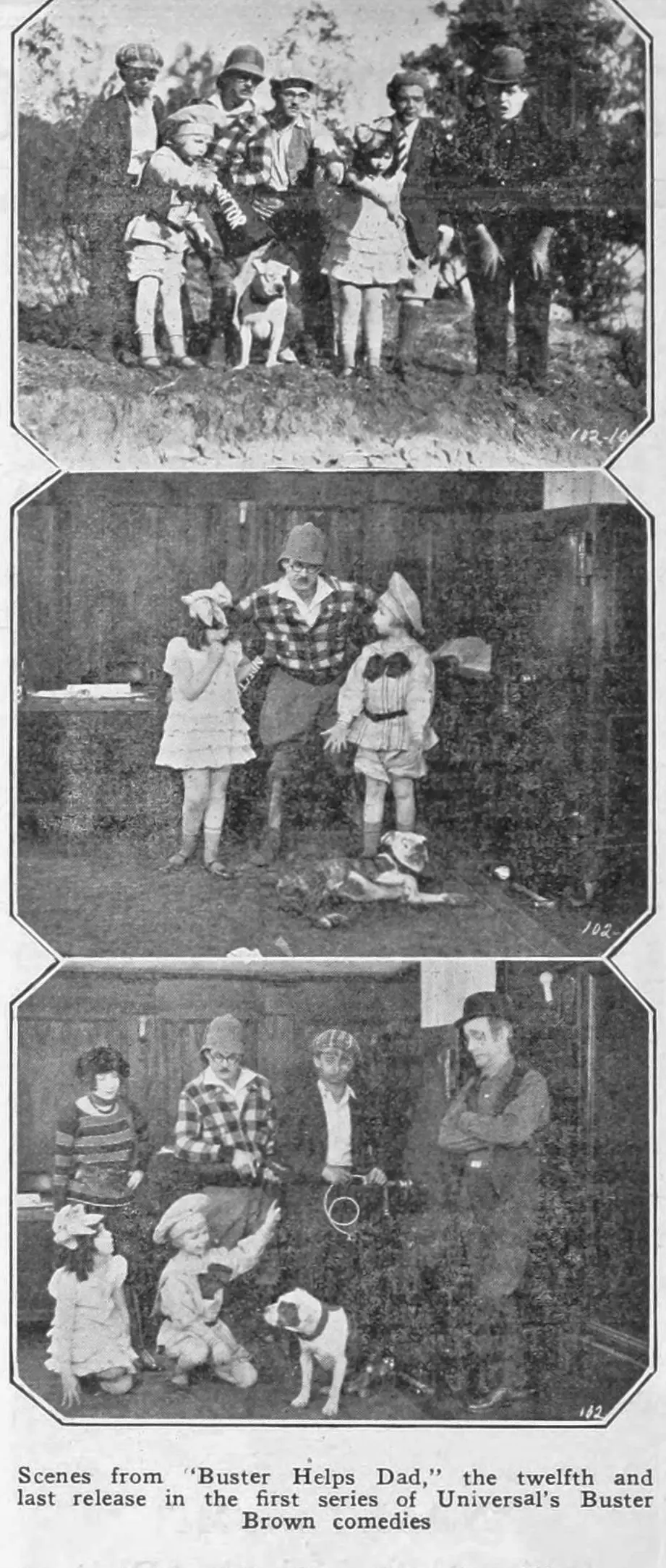
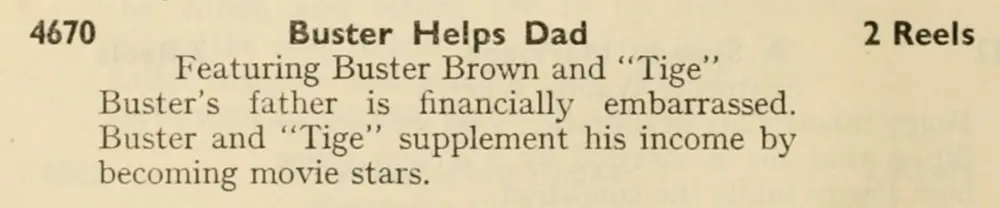
Determined to help his father out of a financial hole by earning some money, Buster decides that his dog is as clever, if not more so, than any of the featured dog movie stars. Consequently they break into a picture being taken by one of the greatest of these canine screen luminaries and get away with all the glory.
Decades after its release, Buster Helps Dad remains a vital piece of the cinematic puzzle. Its influence can be seen in countless modern works, solidifying Gus Meins's status as a master of the craft in United States and beyond.