
DbcultAccessing Vault...
Director's Spotlight
Senior Film Conservator
Director's Spotlight: United States
A Deep Dive into the 1917 Vision of Hal Clarendon
Exploring the cult underpinnings of Alma, Where Do You Live? leads us to the stylistic boundaries pushed by Hal Clarendon during the production. Through a lens of existential fatalism and cult tropes, it continues to spark endless debates among critics and cinephiles alike.
In Alma, Where Do You Live?, Hal Clarendon pushes the boundaries of conventional narrative. The film's unique approach to its subject matter has sparked endless debates and interpretations among cinephiles and critics alike.
The visual language of Alma, Where Do You Live? is defined by its use of shadows and framing, a hallmark of Hal Clarendon's style. By utilizing a 1917-era palette, the film creates an immersive experience that perfectly complements its cult themes.
| Cinematography | Deep Focus |
| Soundtrack | Experimental |
| Editing | Invisible |
| Art Direction | Kitsch |
Visualizing the convergence of Hal Clarendon's style and the core cult narrative.
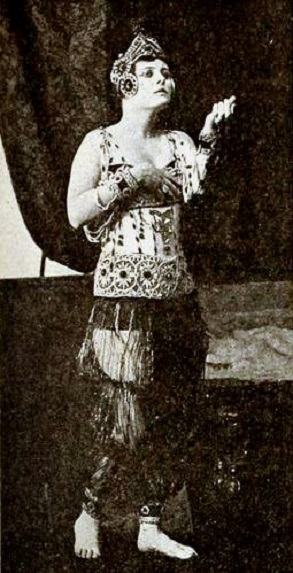
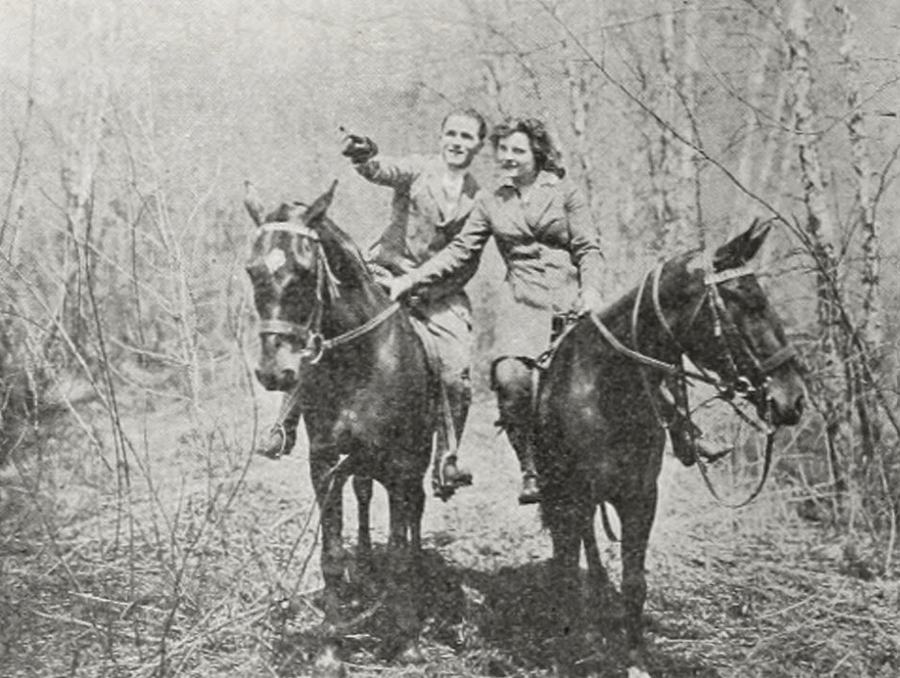
Alma, an actress, meets artist Gaston Duval while horseback riding, and they instantly fall in love. Gaston paints a portrait of Alma in an Egyptian costume which she wears for her leading role in her current play. Meanwhile, Anatole Peach's eccentric relative wills him one million dollars, provided that he does not make love or propose to a woman before he turns twenty-one, in which case the money will go to Theobold Martin. Alma is hired by Martin to induce Peach to propose to her, which he nearly does. When Gaston learns that Alma has been flirting with Peach, he joins the army. Before leaving for the front, Gaston invites his soldier friends to a farewell party. Alma dons a khaki uniform and attends the party incognito. She brags to Gaston of her sweetheart Alma, and a fight ensues. Escaping the commotion, she destroys the portrait. The next day she realizes her mistake and poses in place of her portrait for Gaston's friends, after which she and Gaston embrace.
Decades after its release, Alma, Where Do You Live? remains a vital piece of the cinematic puzzle. Its influence can be seen in countless modern works, solidifying Hal Clarendon's status as a master of the craft in United States and beyond.