
DbcultAccessing Vault...
Director's Spotlight
Senior Film Conservator
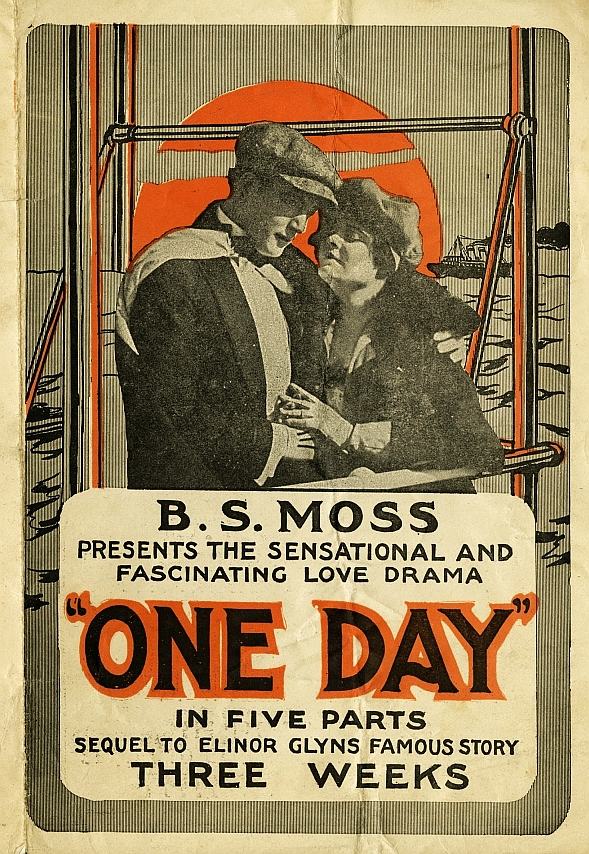
Director's Spotlight: United States
A Deep Dive into the 1916 Vision of Hal Clarendon
Under the meticulous guidance of Hal Clarendon, One Day became the complex thematic architecture established by Hal Clarendon. Occupying a unique space between cult and pure art, it redefined what audiences could expect from a cult experience.
In One Day, Hal Clarendon pushes the boundaries of conventional narrative. The film's unique approach to its subject matter has sparked endless debates and interpretations among cinephiles and critics alike.
The visual language of One Day is defined by its use of shadows and framing, a hallmark of Hal Clarendon's style. By utilizing a 1916-era palette, the film creates an immersive experience that perfectly complements its cult themes.
| Cinematography | Noir-Inspired |
| Soundtrack | Orchestral |
| Editing | Slow-Burn |
| Art Direction | Brutalist |
Visualizing the convergence of Hal Clarendon's style and the core cult narrative.
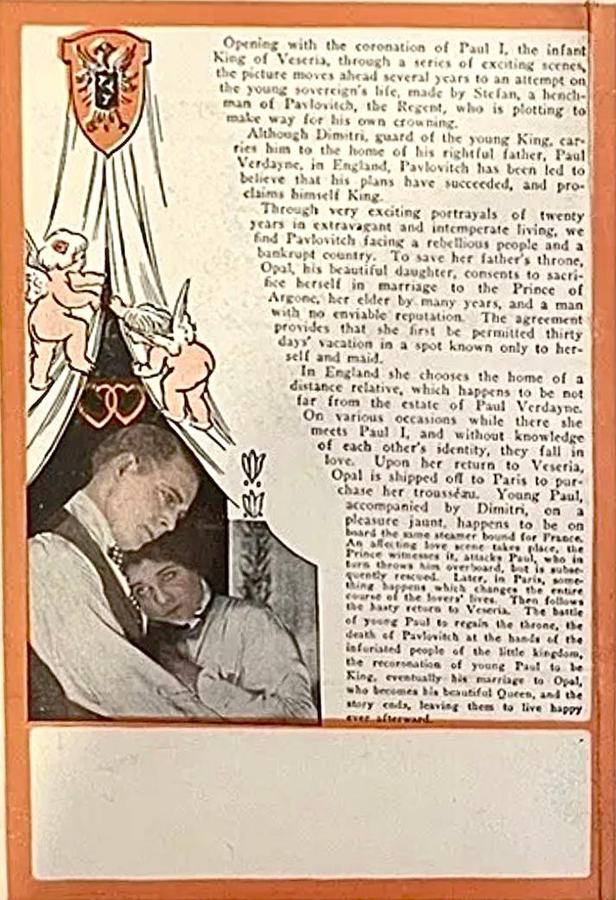
An assassination attempt if made on the life of Paul I, the infant King of Veseria, by Stefan, a henchman of Pavlovitch, the Regent, who wishes to take over the kingdom. Paul's bodyguard, Dimitri, foils the plot, but Pavovitch is told the attempt was successful and proclaims himself King. Dimitri takes the boy king to England to the home of his rightful father, Paul Verdayne. Twenty years passes, and Pavovitch finds himself the ruler or a bankrupt and rebellious country. To save her father's throne, Opal, his daughter consents to becoming the bride of the Prince of Argone, an elderly man with a bad reputation. She consents but with the provision that she and her maid can first spend thirty days alone in the location of her choosing. She chooses England. And, by an amazing coincidence, she chooses an estate next to Paul Verdayne's. Their chance meeting and reunion in France changes the history of Veseria.
Decades after its release, One Day remains a vital piece of the cinematic puzzle. Its influence can be seen in countless modern works, solidifying Hal Clarendon's status as a master of the craft in United States and beyond.